Togo's Yao Nihtael Helps Artists Turn Music Talent Into Sustainable Businesses Through Technology
Key Takeaways
- •Façonné Music founder Nodjigno Pierre Yao Nihtael has contributed to the digital distribution and development of more than 50 artists and music projects in Togo.
- •Digital distribution now allows Togolese artists to release music worldwide simultaneously, but global availability does not guarantee a global audience without promotion, playlist support, and media coverage.
- •Streaming income remains insufficient for many Togolese artists to sustain a music career, as per-play royalty rates vary and low listening volumes translate into limited revenue.
- •Incorrect metadata, unclear ownership, and poorly documented revenue splits can cause artists to lose money or face payment disputes across platforms.
- •Nihtael expects Africa's music industry to become more professional and data-driven over the next five years as smaller markets become better connected to the continent's wider digital music economy.
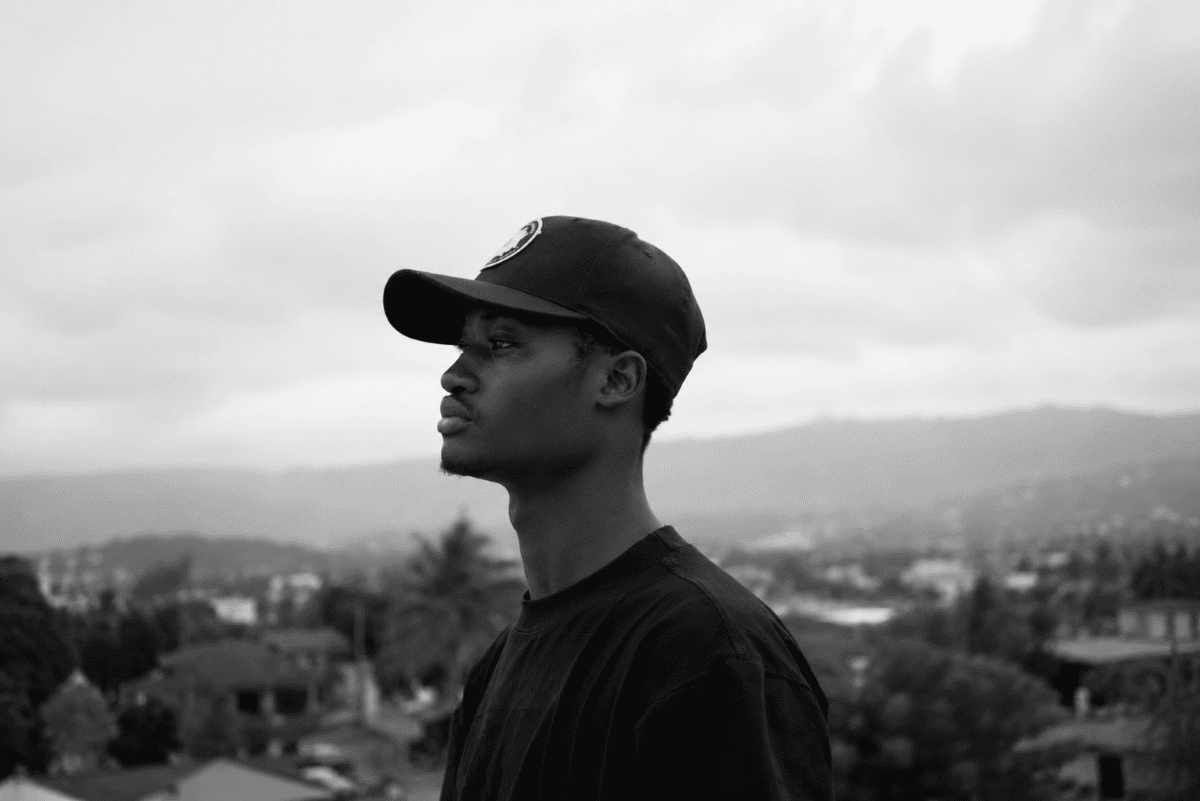
For many African artists, getting a song onto global streaming services such as Spotify and Apple Music, or the Africa-focused Boomplay, is no longer the biggest hurdle. The harder work often begins once the track goes live: building an audience, getting paid, understanding rights and turning digital visibility into a career that can sustain itself.
That is a challenge Nodjigno Pierre Yao Nihtael has encountered repeatedly while working with artists in Togo.
Through Façonné Music, the Togolese music industry professional works across digital distribution, artist development, media strategy and the business side of music projects. He entered the industry after noticing a gap between artists' ability to make good music and their grasp of what comes after recording it.
Many could record songs, he explained, but struggled with everything that followed — planning the release, handling metadata, setting up artist profiles, promoting the music and understanding the business surrounding it.
Over time, Nihtael says he has contributed to the digital distribution and development of more than 50 artists and music projects. His experience also offers a window into what is changing across African music markets, where streaming has lowered geographical barriers to releasing music, but reaching a global platform is proving very different from building a global career.
The World Is Available, but Is Anyone Listening?
A decade ago, an emerging Togolese artist seeking listeners outside the country depended heavily on radio, television, personal connections and travel. Digital distribution has removed some of those barriers.
"The biggest change is access," Nihtael said. "Today, a Togolese artist can make a release available worldwide at the same time as an artist in a major music market."
ists can also now see more of what happens after a release. Streaming analytics show where listeners are based, which songs are performing and where new audiences are emerging. Obtaining those numbers in the first place, however, requires work before and after a song is released.
A professional release takes more than the finished song. Artwork, metadata, contributor and ownership information, identifiers and a release date must all be organised before a track goes live. Distribution also involves identifiers such as ISRCs and UPCs — the industry-standard codes used to track individual recordings and catalogue releases across platforms. Once a song reaches platforms, teams may still need to resolve incorrect artist mapping (where a release is attached to the wrong artist profile), update metadata, prepare promotional materials and monitor performance.
That is the gap Façonné Music is trying to fill.
"We help structure the release, coordinate distribution, manage catalogue and metadata issues, support artist profiles and visibility, and help artists understand what they need to do before and after a release," Nihtael explained.
Yet technology has produced a contradiction for African musicians: it has never been easier to make a song globally available, but global availability does not guarantee that anyone outside an artist's existing audience will hear it.
"Global availability and global audience are two different things," Nihtael said. "A song can be available in more than 100 countries and still remain almost invisible if there is no promotion, storytelling, playlist support, media coverage, social-media strategy or audience development behind it."
Artists in markets such as Togo also compete with millions of other releases, often with smaller marketing budgets and fewer connections to international media, playlists and industry networks. For Nihtael, that means distribution has to be connected to marketing and long-term artist development.
Streaming Opened the Door, but Not Necessarily the Money
Behind Africa's streaming growth sits another question: can artists actually make a living from it?
Nihtael says some Togolese artists are earning streaming revenue, but for many, the income is not yet enough to sustain a music career on its own. Low streaming volumes are only part of the problem. Streaming platforms generally pay royalties on a per-play basis, with rates that vary by service, country and subscription type — one reason thin listening volumes translate into thin income. Artists can also lose money or run into disputes when metadata is wrong, ownership is unclear or revenue splits are poorly documented. Understanding the different rights and tracking payments across platforms can be difficult as well.
"Artists also need to understand that streaming revenue is one part of a wider music business rather than the only source of income," he said.
A well-organised catalogue and clear audience data can make it easier for artists to pursue opportunities beyond streaming, from live bookings and brand partnerships to licensing and collaborations.
"The important point is that the digital catalogue should support the artist's entire career, not only generate streams," Nihtael said.
He points to Togolese artist SCENARIO as an example. Nihtael's team supported the project's digital release preparation, metadata and online positioning, but he deliberately avoids presenting it as an overnight streaming success.
"The most important change was not an overnight streaming number; it was the professionalisation of the release process," he explained. "I prefer to be transparent rather than invent performance figures. The real value of this work is building the foundation that allows growth to continue over time."
Africa's Next Music Challenge Is Infrastructure
Digital platforms may have made distribution easier, but Nihtael says the infrastructure needed to build sustainable music businesses is still lacking.
From his experience in Togo, the gaps include limited knowledge of digital rights and royalties, weak release planning, inadequate industry data, limited specialist training and difficulty connecting local musicians to international networks. Payment, copyright and royalty systems also require attention.
The vocabulary itself can be a barrier. Distribution places recordings on streaming platforms, publishing covers the underlying compositions, and neighbouring rights generate payments when a recording is broadcast or performed in public — overlapping parts of the same rights chain that artists are expected to navigate.
"Many artists need practical education on how distribution, publishing, neighbouring rights, royalties and digital analytics actually work," he said.
Nihtael believes streaming platforms can contribute by paying greater attention to discovery in Africa and providing better data and artist-development resources. Governments and cultural institutions, he says, can support copyright education, professional training and digital entrepreneurship. But music professionals themselves must also improve the way the industry operates.
"We need better contracts, clearer rights ownership, accurate metadata, professional release calendars, reliable accounting and more collaboration across managers, producers, distributors, publishers, media and live-event professionals," he said.
Nihtael expects the next five years to bring a more professional, data-driven music industry, particularly as smaller African markets become better connected to the continent's wider digital music economy. Distribution will remain important, he says, but getting a song onto a streaming platform is only the first step.
"We have the talent; the next stage is to strengthen the infrastructure around that talent," he said.
Reporting and quotations were first published by TechNext24.

