Africa's Instant Payments Hit 71.4 Billion Transactions, but Trust Gaps Keep Cash in Use
Key Takeaways
- •Transaction volumes across Africa's instant payment systems grew at an average annual rate of 28% between 2021 and 2025, while average transaction values fell from $45 to $26, indicating growing use for small everyday purchases.
- •Mobile money accounted for 73% of instant payment transactions by 2025, and cross-domain systems connecting banks, mobile operators, and fintech companies carried 67% of transaction value.
- •More than half of surveyed users experienced payment issues such as delays or transfers to the wrong recipient, and 33% of those never reported the problems, mainly because they did not know how to file a complaint.
- •Nigeria's NIBSS Instant Payment system is the only African platform to receive the report's highest 'mature' inclusivity rating, reflecting strong provider connectivity, consumer protections, and problem-resolution mechanisms.
- •Countries with instant payment systems recorded roughly a seven-percentage-point increase in active financial account usage and an estimated 17% faster GDP per capita growth, though the report's authors caution these are initial observations rather than proof of causation.
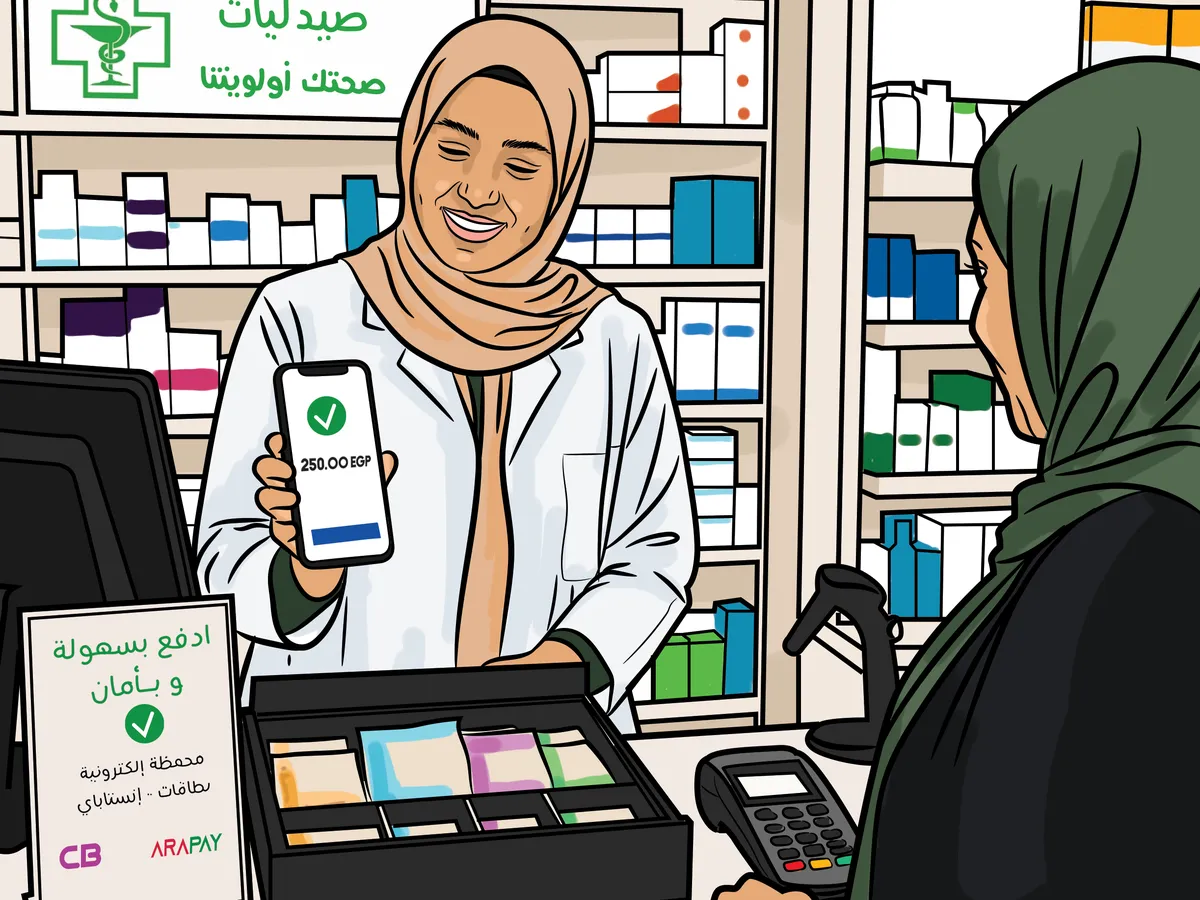
Africa's instant payment systems handled 71.4 billion transactions worth $1.8 trillion in 2025, nearly three times the volume seen in 2021. Yet despite this rapid expansion of digital payments, cash still plays a major role in daily transactions across the continent, as concerns over failed transfers, fraud, and weak customer protection weigh on trust in digital channels.
The findings come from the 2026 State of Inclusive Instant Payment Systems in Africa (SIIPS) report, produced by the AfricaNenda Foundation in collaboration with the United Nations Economic Commission for Africa and the World Bank Group. Released on November 19, the report finds that 89% of African adults live in areas with access to instant payment systems — networks that move money directly between accounts in real time, at any hour, rather than through batch-processing cycles that can delay settlement.
The continent now hosts 39 operational systems: 35 domestic platforms across 29 countries and four regional systems serving 32 countries, making instant payments available in 43 African nations.
Access, however, does not guarantee usage. A survey of 1,403 digital payment users across 15 African markets found that 55% still rely on cash for about half of their transactions, while only 33% reported using digital payment methods most of the time.
For banks, fintech companies, and payment service providers, the findings indicate that expanding access alone is not enough. Building customer trust and confidence is essential to encourage the use of digital payments for everyday purchases and other financial activities.
Volumes climb as average transaction values fall
Transaction volumes grew at an average annual rate of 28% between 2021 and 2025, underscoring how central instant payments have become to Africa's financial landscape. Over the same period, the average transaction value fell from $45 in 2021 to $26 in 2025, indicating that more people are using instant payment systems for small, everyday purchases rather than occasional large transfers.
Mobile money is a major driver of this growth, accounting for 73% of all instant payment transactions by 2025 — a sign of how much of the continent's everyday payment traffic runs through mobile wallets rather than bank accounts alone. Cross-domain systems, which allow banks, mobile operators, and fintech companies to transact with one another, carried 67% of transaction value.
The ecosystem is also diversifying. Four new payment systems launched between June 2025 and July 2026 in countries including Burundi, Guinea, and Liberia. A new regional system is set to support the eight countries of the West African Economic and Monetary Union, while 17 more countries have instant payment projects in development.
Trust remains the binding constraint
Despite this progress, the report identifies a persistent challenge: convincing users to trust these systems. More than half of surveyed users had experienced payment issues, such as delays or sending money to the wrong person. Notably, 33% of those who encountered problems never reported them, mainly because they did not know how to file a complaint.
That silence creates a dilemma for payment providers. A customer who loses money through a failed transfer and cannot recover it may be reluctant to use digital payments again. According to the report, users who lost money without a refund were less likely to use digital options, while those who received their funds back sometimes increased their usage.
Sabine F. Mensah, Deputy CEO of the AfricaNenda Foundation and lead author of the report, said the industry's focus needs to shift beyond simply providing instant payment options. "The question has changed. It is no longer whether Africans can pay instantly, but whether they trust the system enough to stop reaching for cash," Mensah said.
She noted that trust hinges on practical features such as instant transaction processing, verification of recipient names, and real-time confirmation messages. Customers also need access to support and a way to recover their money when something goes wrong.
Nigeria's NIP sets the benchmark
Nigeria stands out as a market where instant payments have become a routine part of daily financial life. Its NIBSS Instant Payment (NIP) system is the only one in Africa to receive the report's highest "mature" inclusivity rating.
That rating goes beyond the speed of transaction processing. It assesses how easily different payment providers can connect to the system, the variety of transactions it supports, the strength of consumer protections, and how simple it is for users to resolve problems.
For the operators running Africa's 38 other operational systems, those criteria double as a checklist of the features that turn access into everyday usage.
The report also highlights that Nigeria's NIP benefits many small businesses by eliminating the need to hold funds in advance — often called float — and lowering the costs involved in reconciling payments.
Early economic gains, with caveats
Across Africa, countries with instant payment systems saw roughly a seven-percentage-point increase in active financial account usage compared with those without. The report also estimated that GDP per capita grew about 17% faster in countries that adopted instant payments early. The authors cautioned, however, that these findings are initial observations and not definitive proof that instant payments alone caused these economic improvements.
Infrastructure alone is not enough
For the payments industry, the report's message is clear: improving infrastructure must translate into a better experience for customers. Payment operators should strengthen fraud prevention, provide clear transaction confirmations, and create accessible channels for complaints. Regulators, in turn, need to ensure that customers have effective avenues for seeking help.
Dr. Robert Ochola, CEO of the AfricaNenda Foundation, said Africa has rapidly developed its instant payment infrastructure thanks to local software engineers and designers. "The next five years must be about making these systems affordable to use, safe and sustainable to run," Ochola said.
Looking ahead, the report suggests Africa's next milestone in payments will not simply be handling more transactions. It will be building trust in digital payments so that more people and businesses feel confident enough to replace cash in their daily lives.

