Nigerian Scientist Oluwasanmi Koyejo Among Three Africans on 2026 TIME100 AI List
Key Takeaways
- •The 2026 TIME100 AI list recognizes Nigerian-born Stanford professor Oluwasanmi Koyejo, Senegalese innovator Moustapha Cissé, and Tunisian-American human rights lawyer Wafa Ben-Hassine.
- •Oluwasanmi Koyejo, honored in the Thinkers category and a co-founder of Virtue AI, has joined Meta's fundamental AI research division to shape security protocols.
- •Moustapha Cissé's startup Kera Health Platforms launched Sura in Senegal, an AI-powered health insurance product that approves claims within 30 seconds via WhatsApp.
- •Wafa Ben-Hassine serves as the first chief of digital technology and human rights at the UN Human Rights Office, advocating for transparency, online privacy, and child safety.
- •More than 20 African and diaspora technologists have been named to the TIME100 AI list since its launch in September 2023.
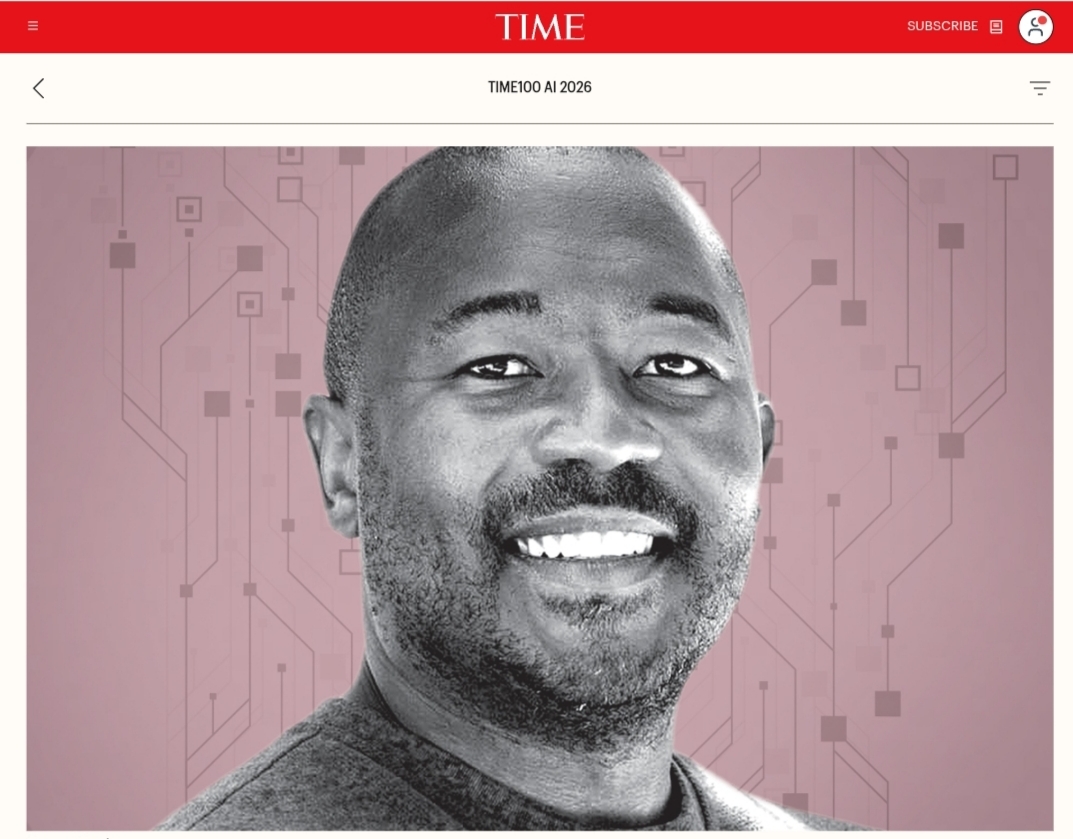
The global artificial intelligence ecosystem is expanding at a rapid pace, and African technologists are driving some of its most critical advances. The 2026 TIME100 AI list confirms what the continent's tech sector has been building toward for years: Africa is actively architecting the frameworks, drafting the ethics, and writing the code that will define the AI age. This year's roster makes that homegrown mastery explicit.
Leading the charge is Nigerian-born computer scientist and Stanford University professor Oluwasanmi Koyejo. He joins Senegalese innovator Moustapha Cissé and Tunisian-American human rights lawyer Wafa Ben-Hassine on this year's prestigious index. Their inclusion highlights a region that is rapidly elevating its digital infrastructure and producing world-class talent capable of shaping global AI applications.
Koyejo: stress-testing AI in the wild
Koyejo commands attention in the 'Thinkers' category. A leading academic and co-founder of the security startup Virtue AI, his mandate is highly specific: he tests what artificial intelligence can and cannot do when deployed in the wild. Koyejo argues that AI models must survive the same rigorous auditing as clinical trials in healthcare before they are released to the public. That expertise recently led Meta to bring him into its fundamental AI research division to shape critical security protocols. His five-year tenure as president of the Black in AI organisation further underscores a career dedicated to ensuring diverse voices shape the technology that will dictate the future.
Cissé: AI-powered health insurance in Senegal
Emerging in the 'Leaders' category, Moustapha Cissé is proving that frontier technology can solve complex infrastructural hurdles. Through his startup Kera Health Platforms, Cissé launched Sura, an AI-powered health insurance product in Senegal. In a country where healthcare providers often wait months for claim payouts, Sura uses AI to analyse and approve claims within 30 seconds via WhatsApp. That kind of deployment matters beyond one company or market: it shows how AI can be adapted to local workflows instead of forcing users to fit inherited systems. Cissé is bypassing traditional technological templates to build a proactive healthcare delivery system that actually works for the local population.
Ben-Hassine: a regulatory voice at the UN
Wafa Ben-Hassine, meanwhile, represents the continent's regulatory foresight in the 'Shapers' category. As the first chief of digital technology and human rights at the UN Human Rights Office, she is the authoritative voice advocating for ethical guardrails. Ben-Hassine is actively pressing member states and technology giants to establish transparency, protect online privacy, and ensure child safety in an era of rapid algorithmic expansion. Her role also reflects how AI governance is becoming a core part of the technology story, not an afterthought.
A field of global heavyweights
The gravity of the African presence this year is best understood against the broader field of honourees. The 2026 list features industry titans driving multi-billion-dollar valuations globally. OpenAI CEO Sam Altman, SpaceX CEO Elon Musk, and Anthropic founders Dario and Daniela Amodei dominate the Leaders category, alongside IBM Chairman Arvind Krishna and Broadcom CEO Hock Tan, who represent the legacy technology giants.
The list also maps the cultural intersections of artificial intelligence. Figures such as actor Ben Affleck and Creators Coalition co-founder Joseph Gordon-Levitt are actively engaging with the technology's impact on the creative industries. To stand shoulder to shoulder with these global figures is proof that African technologists are operating at the absolute frontier of the industry.
A barometer since 2023
TIME magazine introduced the annual AI 100 list in September 2023. Editors recognised that artificial intelligence had become too explosive to view strictly through the lens of market capitalisation, and the publication set out to identify the human power centres steering the technology. Each year, the index is divided into four distinct categories — Leaders, Innovators, Shapers, and Thinkers — capturing the researchers writing the code, the ethicists battling for safety, and the policymakers drafting the legislation.
Since its launch, the TIME index has served as a reliable barometer for the continent's growing influence. Over 20 African and diaspora technologists have secured a spot on the list since inception. The inaugural 2023 edition set a powerful precedent by spotlighting innovators such as South African Lelapa AI founder Pelonomi Moiloa and Nigerian-Canadian policy advocate Inioluwa Deborah Raji.
The momentum held strong through subsequent cohorts. Most notably, the 2025 list prominently featured Nigerian-American Chinasa T. Okolo and Bosun Tijani, Nigeria's Minister of Communications, Innovation and Digital Economy. Tijani was recognised for spearheading the nation's comprehensive National AI Strategy and driving the ambitious 3 Million Technical Talents (3MTT) programme to upskill the country's youth.
The consistent inclusion of African talent confirms that the region's technology ecosystem is producing a sustained pipeline of world-class expertise.
Implications for the continent
The emergence of these African leaders carries profound implications for the continent's future. It signals a definitive move towards sovereign digital infrastructure. African founders are building systems tailored to local realities — training language models that understand regional dialects and creating platforms that bypass broken supply chains. Cissé's success with WhatsApp-based health insurance in Senegal is a clear example of local innovation solving local problems.
More importantly, figures like Koyejo and Ben-Hassine are securing seats at the highest regulatory tables in Geneva and Washington. They are fighting to ensure that the global rules governing the next decade of digital advancement do not exploit the Global South. Their work seeks to guarantee that safety protocols and privacy laws account for the vulnerabilities of developing nations.
The 2026 TIME100 AI list is a clear declaration that the talent pools in Lagos, Dakar, Tunis and indeed the entire continent are fully mature. Africa is no longer standing on the periphery of the technological revolution; its people are writing the code — and the laws — that will govern the future.

