AfDB Approves €100 Million Loan for Africa's First EV Battery Gigafactory in Morocco
Key Takeaways
- •The African Development Bank has approved a €100 million loan to Gotion Power Morocco and plans to mobilize up to €141 million more from financial partners for the project.
- •The gigafactory will be the first integrated battery manufacturing facility in both Africa and the MENA region, with an initial capacity of 10 GWh and plans to eventually expand to 100 GWh.
- •The facility will use lithium iron phosphate technology, leveraging Morocco's status as holder of the world's largest phosphate rock reserves, a critical raw material for LFP cathodes.
- •The project is expected to generate over 600 direct jobs in its first phase and reach a 70% local industrial integration rate.
- •Gotion Power Morocco is a subsidiary of Gotion High-Tech, a major Chinese battery manufacturer headquartered in Hefei and listed on the Shenzhen Stock Exchange.
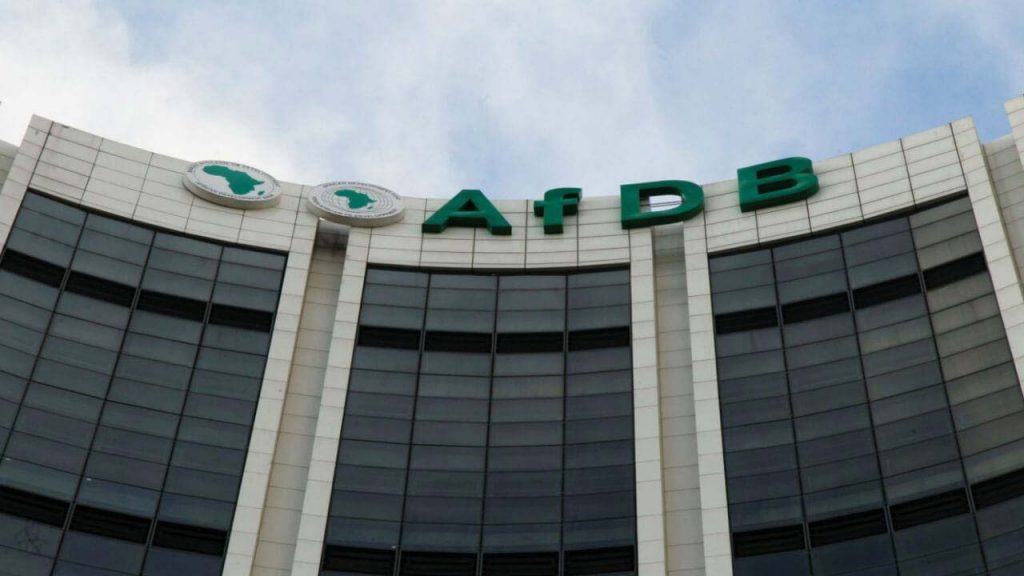
The Board of Directors of the African Development Bank Group (AfDB) has approved a €100 million loan to finance a major electric vehicle battery gigafactory in Morocco, according to a statement seen by Technext.
The loan was awarded to Gotion Power Morocco for the development of an integrated cathode-to-cell lithium iron phosphate (LFP) battery gigafactory in the Rabat-Salé-Kénitra Free Trade Zone. The Bank also plans to mobilise up to an additional €141 million from financial partners to support implementation of the project, acting as Mandated Lead Arranger under the New African Financial Architecture for Development (NAFAD).
Kevin Kariuki, the African Development Bank's Vice President for Power, Energy, Climate and Green Growth, described battery storage as the missing link in Africa's clean energy transition, noting that the facility is expected to deliver reliable energy.
"A facility of this scale, powered primarily by renewable energy, strengthens the foundations for the large-scale integration of solar and wind power, which our grids increasingly depend on. This is exactly the kind of project that will deliver reliable, low-carbon energy while creating green industrial jobs and building the resilient value chains Africa needs to sustain its energy transition," Kariuki said.
Project Scope and Strategic Significance
Gotion Power Morocco is a subsidiary of Gotion High-Tech Co. Ltd., a top-tier global battery manufacturer headquartered in Hefei, China, and listed on the Shenzhen Stock Exchange. The project will establish the first integrated battery manufacturing plant in both Africa and the Middle East and North Africa (MENA) region. Phase 1 will produce 10 gigawatt-hours (GWh) of battery cells and packs for electric vehicles, with plans to expand capacity to 100 GWh.
The LFP chemistry chosen for this facility is among the most widely adopted battery technologies globally, valued for its lower cost and strong safety profile compared to nickel-rich alternatives. It is also particularly relevant to Morocco's industrial base, as the country holds the world's largest reserves of phosphate rock — a key raw material input for LFP cathodes.
The investment reinforces Morocco's ambition to become a leading hub for global electric mobility and green technology value chains. Morocco is already Africa's largest passenger car manufacturer and a significant exporter of vehicles to European markets, giving it an existing automotive industrial base that the gigafactory is positioned to complement. The project is expected to create more than 600 direct jobs in its first phase and achieve a local industrial integration rate of 70%, supporting skills development and the growth of local industrial ecosystems.
The initiative aligns with the AfDB Group's Four Cardinal Points strategic vision by promoting resilient infrastructure, accelerating industrialisation, adding value to Africa's natural resources, and strengthening regional integration. It is also expected to bolster the continent's position in global clean energy and electric mobility value chains, helping accelerate Africa's transition to a low-carbon economy and facilitating greater deployment of renewable energy. Currently, global battery cell manufacturing capacity is concentrated in China, South Korea, and the United States, with Europe rapidly scaling its own production base; the Morocco facility would position Africa within this competitive landscape.
Achraf Tarsim, the African Development Bank Group's Country Manager for Morocco, emphasised the factory's role in strengthening the country's industrial competitiveness.
"This gigafactory will be a major catalyst for strengthening Morocco's industrial competitiveness and for accelerating its emergence as Africa's manufacturing hub for sustainable mobility industries. It will help foster an African industrial ecosystem for batteries and electric vehicles while promoting the local beneficiation of critical minerals essential to the energy transition," Tarsim said.

