$647K in Stolen Nike Cargo Recovered Near Chicago After Fraudulent Memphis Pickup
Key Takeaways
- •A driver used fraudulent documents on August 21 to pick up a Nike shipment worth approximately $647,420 at a Memphis, Tennessee facility, with the load destined for Dallas.
- •Nike contacted the Cook County Sheriff's Police Organized Retail Crime Unit on August 23, and detectives traced the merchandise to a distribution facility in Des Plaines, Illinois, where it was recovered alongside a stolen trailer.
- •No suspect has been identified, and no arrests or charges have been announced as the investigation continues.
- •Commander Michael Ware credited collaboration among law enforcement, retailers, transportation partners, and private-sector organizations for the recovery and described cargo theft as sophisticated organized crime crossing jurisdictions.
- •The theft method, known as a fictitious or strategic pickup, involves criminals impersonating a legitimate carrier so the theft goes undiscovered until the shipment fails to arrive.
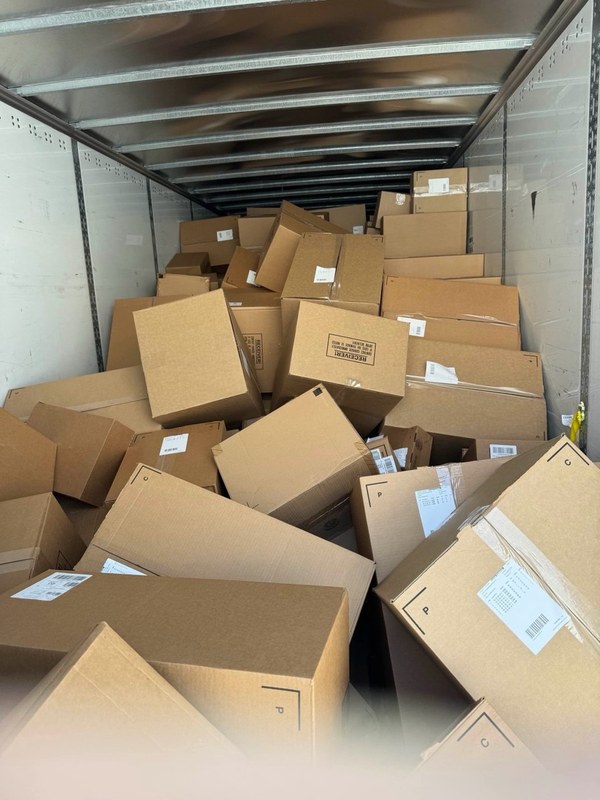
Cook County investigators have recovered approximately $647,420 in Nike merchandise following a fictitious pickup carried out with fraudulent documents.
The incident began Aug. 21 at a company facility in Memphis, Tennessee, where a driver collected a shipment destined for Dallas using fake paperwork, according to the Sheriff's Office. Authorities later determined the shipment had been moved toward the Chicago area.
A Nike representative contacted the Cook County Sheriff's Police Organized Retail Crime Unit on Aug. 23, and detectives opened an investigation into the pickup that had occurred two days earlier. The probe led detectives to a distribution facility in Des Plaines, Illinois, in the 1300 block of South Mount Prospect Road, where officers found the shoes alongside a stolen trailer.
Authorities have not identified the individual responsible for the theft, and no arrests or charges have been announced. The inquiry into who bears responsibility remains ongoing.
Collaboration Across Jurisdictions
Cook County Sheriff's Office Commander Michael Ware credited several groups with helping investigators recover the cargo, including law enforcement, retailers, transportation partners and private-sector organizations. Ware described cargo theft as sophisticated organized crime that frequently crosses jurisdictions, adding that his team remains committed to disrupting criminal networks and protecting the supply chain.
"The recovery of approximately $647,420 in stolen merchandise demonstrates what can be accomplished through strong collaboration," Ware told FreightWaves. He also praised the Organized Retail Crime Unit for its work.
Cook County Sheriff Thomas J. Dart received recognition for supporting those efforts, and Ware connected that backing with the resources available for complex cases. "His leadership has provided us with the resources and support necessary to pursue these complex investigations," Ware told FreightWaves.
Detectives have not explained how the driver obtained the fraudulent paperwork, and police have not disclosed how the load reached Illinois. Ware noted that the active status of the case limits what his office can release.
Why It Matters
Fake documents can make a fraudulent pickup appear legitimate long enough for valuable freight to disappear. This method — often called a fictitious or strategic pickup — is a recognized cargo theft tactic in which criminals impersonate a legitimate carrier or driver to obtain a load, leaving the theft undiscovered until the shipment fails to arrive. Because the Memphis-to-Dallas lane crosses multiple states, recovery depended on coordination between the shipper, retailers and police in a different jurisdiction than where the theft originated. Once a shipment goes off course, quick communication across the supply chain can become critical, as it did here when the Nike contact reached the Cook County unit within days of the pickup.
CFCO Perspective
CFCO training emphasizes human-level verification before anyone releases freight. Documents alone cannot confirm that the person standing at the dock belongs with that shipment. Teams need to verify the individual against trusted information before cargo leaves their control. Do not discover the driver at the dock — confirm the driver at the dock.
Source: FreightWaves

