Senate GOP braces for 50-50 'nightmare scenario' after November midterms
Key Takeaways
- •Republicans currently hold a 53-47 Senate majority, so Democrats need a net gain of four seats for control or three seats for a tie.
- •A 50-50 Senate would keep Republicans technically in charge because Vice President JD Vance could cast tie-breaking votes.
- •Senate leaders would still need to negotiate a power-sharing agreement, which would determine committee assignments, floor control and the handling of nominations.
- •The last 50-50 Senate required extensive negotiations between Chuck Schumer and Mitch McConnell before a power-sharing deal was reached.
- •Georgia's runoff rules could delay certainty over Senate control for weeks after Election Day if the race there remains unresolved.
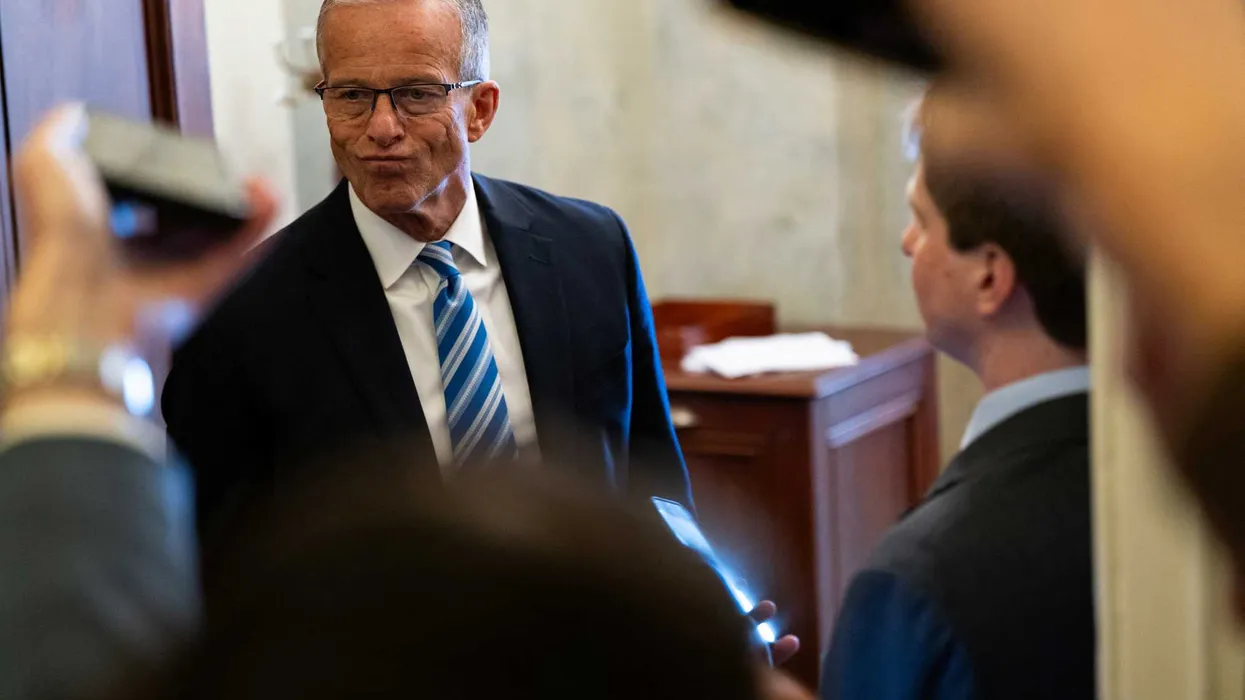
Senate Democrats believe they have a genuine shot at seizing control of the chamber after November's midterms, having thrown a handful of reliably red states into play — and a nightmare scenario has filled senators in both parties with dread: a 50-50 tie.
If Democrats fall just short and Republicans cling to their majority, the expanded map now offers several paths to a deadlocked chamber, an outcome many senators are already gaming out while others "have yet to grasp," Punchbowl News reported. The arithmetic is unforgiving: Republicans currently hold a 53-47 majority, so Democrats need a net gain of four seats for outright control, while a net gain of exactly three produces the tie both sides fear.
In that case, the GOP would technically remain in charge, because the party holds the White House and Vice President JD Vance can break tie votes. But Senate Republican leaders would first have to hammer out a power-sharing deal and get the full chamber to adopt it — a process Punchbowl warned "would be littered with landmines" for them. The modern playbook dates to 2001, when a 50-50 chamber left Republicans nominally in charge only through Vice President Dick Cheney's tie-breaking vote and Republican leader Trent Lott and Democratic leader Tom Daschle agreed to split committee seats and staff evenly — an arrangement that collapsed within months after Republican Sen. Jim Jeffords of Vermont began caucusing with the Democrats and handed them control.
Republicans would be staring down an emboldened Democratic Party ready to use every tool available to throw a wrench into President Donald Trump's agenda and nominees, especially if Democrats also flip the House. Trump, who has already needled Majority Leader John Thune over the filibuster, would likely pressure him to hold firm. A tied chamber would sharpen that standoff even though the legislative math barely moves: most bills still need 60 votes to end debate under the filibuster, so the real spoils of a 50-50 split are control of the floor agenda, the committee gavels and the confirmation pipeline for judges and administration nominees, which run on simple majorities.
The last 50-50 Senate, during the first two years of the Biden administration, required nearly a month of grinding talks between Chuck Schumer and Mitch McConnell to reach a power-sharing agreement. The chamber has only grown more partisan since, with the dealmaking middle hollowed out, government shutdowns more frequent and Trump openly feuding with his own party's leaders.
A few swing votes would gain significant leverage in a tied chamber. On the GOP side, that would include Sen. Lisa Murkowski of Alaska, who has broken with Trump. The president torched her in his Punchbowl sit-down.
"I'm against Murkowski. I do more for Alaska than any president in history. No president's done for Alaska what I've done. She's not good," Trump said.
Sen. Susan Collins would join that club if she wins reelection. If she loses, Murkowski is poised to chair the Appropriations Committee. And Democrat John Fetterman, who sometimes sides with the GOP, would be another name to watch. Even learning which party holds the gavel could take time: Georgia, where Democratic Sen. Jon Ossoff is defending his seat, requires winners to secure a majority, and a December 2026 runoff there — the same provision that sent Senate control to Georgia's January 2021 runoffs — could keep the chamber's makeup uncertain for weeks after Election Day.

