Stocks and Bonds Post Wild Swings on Fed Day as Wall Street's Hedging Cushion Erodes
Key Takeaways
- •The 30-year Treasury yield rose to 5.10%, its highest level since 2007.
- •Major U.S. stock indexes fell as investors assessed the Federal Reserve's policy stance.
- •Market participants expect borrowing costs to remain elevated for an extended period, and near-term rate-cut expectations have diminished.
- •Thinner hedging positions have made equities and fixed income more exposed to sudden price swings on Fed announcement days.
- •Higher long-term Treasury yields are weighing on equity valuations, especially for growth-oriented stocks.
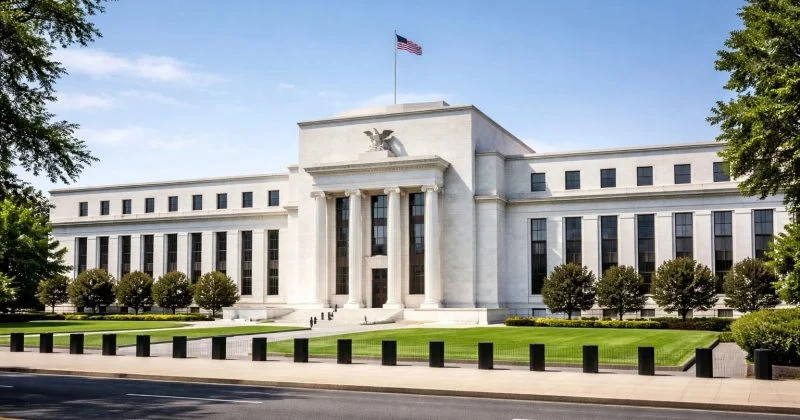
U.S. financial markets experienced sharp swings on the latest Federal Reserve policy decision day, with the 30-year Treasury yield rising to 5.10% — its highest level since 2007. Major stock indexes declined as investors digested the Fed's stance and the growing likelihood that borrowing costs will remain elevated for an extended period.
The volatility underscores the market's heightened sensitivity to signals from the Federal Open Market Committee regarding the trajectory of monetary policy. According to market observers, Wall Street's protective hedging positions have thinned considerably, leaving portfolios more exposed to sudden price moves across both equities and fixed income.
The sell-off extends a pattern observed in recent months. In June, both the S&P 500 and the Dow Jones Industrial Average posted notable declines on Fed decision days, reflecting a broader adjustment as market participants recalibrate expectations for a prolonged period of restrictive interest rates. The current pricing environment is consistent with a Federal Reserve maintaining a hawkish posture, with futures markets reflecting diminished expectations for near-term rate cuts compared to earlier in the year.
The rise in long-duration Treasury yields is particularly significant for equity valuations, as higher risk-free rates increase the discount rate applied to future corporate earnings. This dynamic tends to weigh most heavily on growth-oriented stocks whose valuations depend on earnings projected years into the future. The 30-year bond yielding above 5% marks a notable milestone, last seen in the period preceding the 2008 global financial crisis. At that time, elevated long-term rates reflected persistent inflation concerns and a different macroeconomic landscape. The current rise in long-end yields also unfolds against the backdrop of the Federal Reserve's ongoing balance sheet reduction program, known as quantitative tightening, which gradually reduces the central bank's presence as a buyer in the Treasury market.
Market participants are now focused on the Federal Reserve's upcoming communications, including any statements from Chairman Kevin Warsh or other FOMC officials, for clues about the committee's reaction function. Key economic indicators — particularly upcoming inflation readings and employment reports — will provide further insight into whether the central bank's current policy stance is likely to persist.
The erosion of hedging depth across major markets has amplified price reactions on policy announcement days. With uncertainty remaining a defining feature of the current market environment, investors are closely monitoring how incoming data aligns with or diverges from the Fed's projected policy path.

