The Hill Columnist Warns 119th Congress Will Be Remembered as a 'Weakling' That Ceded Its Power to Trump
Key Takeaways
- •William S. Becker, a former Department of Energy central regional director, argues in a Hill opinion piece that the 119th Congress has stopped functioning as a co-equal branch of government.
- •Becker says Congress's surrender of its tax-setting authority allowed Trump to impose tariffs through emergency economic powers rather than legislation.
- •The piece contends that Congress's cession of authority over federal agencies enabled DOGE, a cost-cutting entity created by executive order in January 2025 and initially led by Elon Musk, to cut deeply into the federal government.
- •Legal challenges to the administration's emergency-power tariffs and its dismantling of agencies have moved through federal courts, with the tariff dispute reaching the Supreme Court.
- •Some House and Senate members are defying Trump ahead of the November 2026 midterms amid his declining approval ratings, but Becker views these efforts as too little, too late.
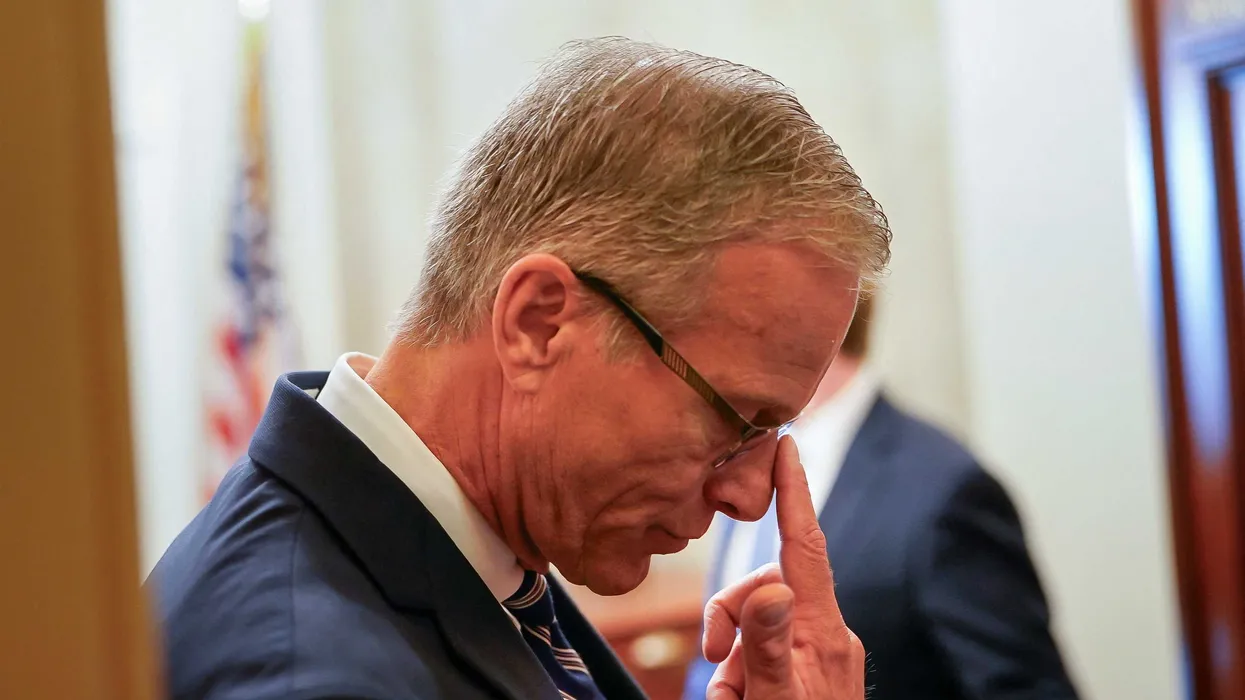
The 119th Congress, controlled by Republican majorities in both chambers, is headed toward a legacy as a "weakling" that surrendered nearly all of its constitutional powers to President Donald Trump — and its recent attempts to defy him are "too little, too late," according to a new opinion piece published in The Hill. The Congress convened in January 2025 as Trump returned to the White House, giving Republicans unified control of the presidency and both chambers for the first time since his first term.
The author, William S. Becker, spent more than a decade as the Department of Energy's central regional director and also served as a special assistant to the department's assistant secretary of energy efficiency and renewable energy. In the piece, published Monday morning, Becker laid out the ways in which the current Congress has ceded its responsibilities to Trump and, in its final months, doomed itself to a legacy of weakness.
"There are less than five months left in the life of the 119th Congress," Becker wrote. "We should not mourn its passing. Under Republican control, it has ceased to function as a co-equal branch of government. We can criticize its lack of productivity and disagree with its politics, but it will be remembered for letting the other two branches of government steal its power."
"Congress has a crucial role in preventing excesses of the executive and judicial branches," he added. "However, the 119th has not defended itself or the country against President Trump's autocratic impulses. And by surrendering its power, it left a vacuum into which the judiciary has moved." That shift has played out in practice: challenges to the administration's use of emergency powers to impose tariffs and to its dismantling of agencies created by Congress have moved through the federal courts, with the tariff dispute reaching the Supreme Court.
Becker's assessment comes as some members of the House and Senate, in the wake of Trump's cratering approval ratings, have attempted to act in defiance of his will ahead of the November 2026 midterm elections — in which all 435 House seats and more than 30 Senate seats will be on the ballot — in order to avoid voter backlash for appearing subservient to his every whim and desire. In Becker's view, however, such moves cannot undo the damage already done: for nearly two years, Congress "has allowed Trump to do extraordinary damage to the integrity of government, the public's trust in it, the rule of law and the nation's international relations."
The sins of this Congress have been numerous, Becker wrote. He cited its ceding of authority to set taxes, which allowed for Trump's disastrous tariffs, imposed under emergency economic powers rather than through legislation; its ceding of authority to create, change or eliminate federal agencies, which allowed DOGE, a cost-cutting entity created by executive order in January 2025 and initially led by Elon Musk, to gut the federal government wholesale; and its confirmation of many of the president's appointments despite what he described as their lack of any relevant skills besides loyalty to Trump.
"Some conservatives support Trump's aggressive use of power under the unitary executive theory. Article II of the Constitution, they note, states that 'The executive Power shall be vested in a President,'" Becker continued. "However, a president's authority must have limits, lest it expand into authoritarianism. Even an expansive interpretation of Article II cannot give the president powers that Article I assigns to Congress. Congress is supposed to defend itself against incursions by the other branches, especially presidents who would make themselves kings. The 119th Congress has failed to do so. All that is necessary for democracy to fail is for the people's representatives to look on and do nothing."

