Demokraten sehen eine Chance, rote Bundesstaaten zu kippen, während die GOP eine „Präriefeuer“-Gefahr für ihre Senatsmehrheit fürchtet
Wichtige Erkenntnisse
- •Demokraten könnten die Kontrolle über den Senat übernehmen, indem sie republikanische Sitze in Ohio und Iowa kippen und Michigan halten; damit wären die vier Sitze erreicht, die für die Kontrolle der Kammer in Trumps letzten beiden Amtsjahren nötig sind.
- •Sen. Kevin Cramer aus North Dakota sagte, Trump habe in den Agrarregionen ernsthafte Probleme, angeheizt durch zollbedingte Preissteigerungen, teureren Diesel und Dünger im Zusammenhang mit dem Iran-Krieg sowie Importe von ausländischem Rindfleisch, die heimische Rancher belasten.
- •Demokraten in roten Bundesstaaten, darunter Rev. Adam Hamilton gegen Sen. Roger Marshall in Kansas und Josh Turek für einen offenen Senatssitz in Iowa, nutzen republikanische Schwächen aus.
- •Umfragen zufolge glauben Wähler nicht, dass Trump sich um sie oder ihre Prioritäten kümmert, während republikanische Funktionäre von einer gut eingesetzten Kabinettsriege und einem wenig hilfreichen Präsidenten sprechen.
- •Dan Vicuña von Common Cause argumentierte, dass einige Bemühungen der Regierung, Wahlen zu nationalisieren, einschließlich einer Exekutivanordnung mit Bezug zum Postal Service in der Wahlverwaltung, rechtswidrig seien und vor Gericht angefochten würden.
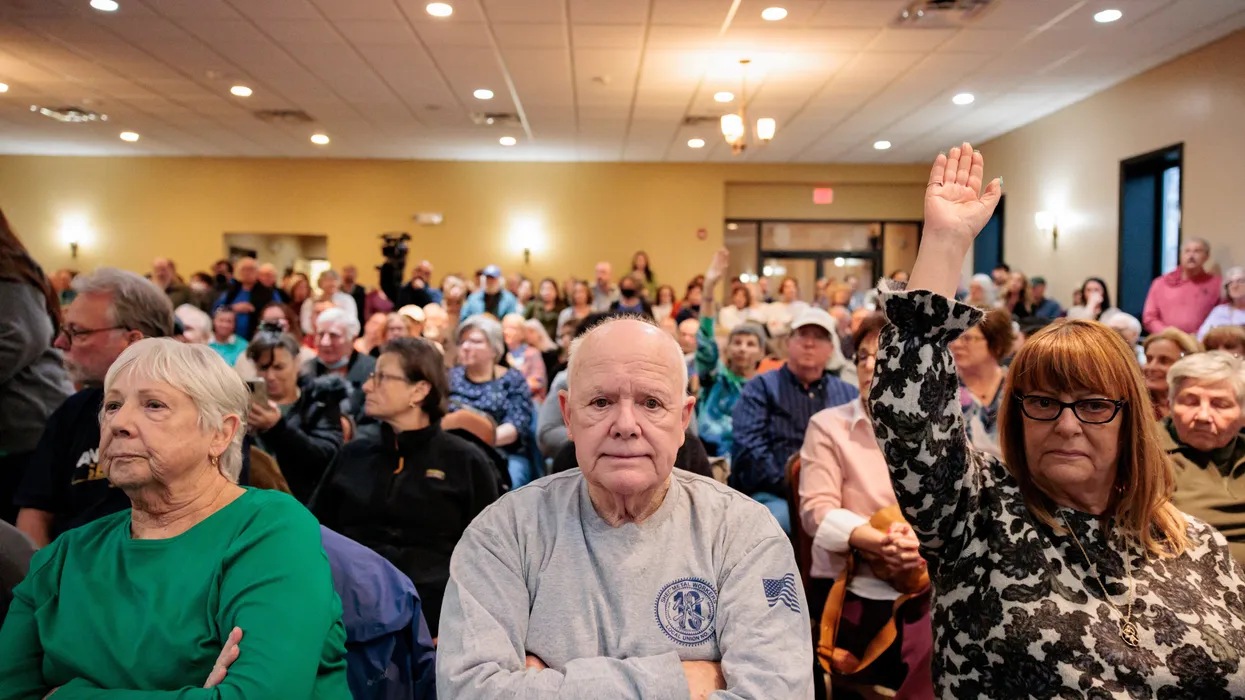
Präsident Donald Trump scheint in weiten Teilen seiner Basis an Rückhalt zu verlieren, von Wählern, die dreimal für Trump gestimmt haben, bis hin zu Bürgern, die gehofft hatten, er werde die angeschlagene Wirtschaft in Ordnung bringen. Ein neuer Bericht zeigt, dass Demokraten einen Plan entwickelt haben, um traditionell republikanische Bundesstaaten wie Iowa und Kansas von der Republikanischen Partei wegzuholen — vor allem, indem sie das GOP-Branding untrennbar mit Trump selbst und seiner wirtschaftlichen Bilanz verknüpfen. Der Einsatz ist hoch: Da die Republikaner nur über eine knappe Senatsmehrheit verfügen, könnten Verluste bei den Zwischenwahlen selbst in einigen normalerweise sicheren Sitzen den Demokraten die Kontrolle über die Kammer für die letzten zwei Jahre von Trumps Amtszeit verschaffen und damit bis 2028 die Bestätigungen und jede legislative Agenda prägen.
"If Democrats flip Republican-held seats in Ohio and Iowa while retaining Michigan, they will almost certainly net the four seats total needed to take control of the Senate for President Donald Trump's final two years," berichtete Jonathan Martin von Politico am Sonntag. "As the traditional start of the campaign season draws near, though, Republicans are increasingly worried they may be consumed by a worsening prairie fire."
Unter Berufung auf Sen. Kevin Cramer (R-ND) schrieb Martin, Cramer habe über Trump gesagt: "he's in serious trouble in farm country. He being Trump — and Trump is us. I'm not very optimistic." Martin fügte hinzu, Trumps Politik habe Republikanern in Agrarstaaten geschadet, indem sie durch Zölle ihre Preise erhöht habe, Diesel und Dünger infolge des Iran-Kriegs verteuert habe und ausländisches Rindfleisch auf Kosten heimischer Rinderzüchter importiere. Diese Dynamik zwingt amtierende Republikaner in Agrarstaaten dazu, für Kosten geradezustehen, die Wähler unmittelbar spüren, selbst wenn dieselben Staaten Trump in all seinen drei Wahlkämpfen unterstützt haben.
Demokraten, die in roten Bundesstaaten für den Senat kandidieren, nutzen diese politischen Probleme der GOP aus, darunter Rev. Adam Hamilton, der demokratische Kandidat gegen Sen. Roger Marshall (R-Kan.), und der demokratische Abgeordnete des Bundesstaats Josh Turek, der Rep. Ashley Hinson (R-Iowa) um einen offenen Senatssitz herausfordert.
"Should Iowa turn back to Democrats after supporting Trump in all three of his elections, and not electing a Democratic senator since 2008, it would be an unmistakable tell about the sort of voters who also backed Barack Obama twice," schrieb Martin.
Später fügte er hinzu: "The fundamental problem is that polls show voters don't think Trump cares about them or their priorities, and there's little Republican lawmakers or White House aides can do to make him act differently. In fact, a recurring theme in conversations with Republicans is that the cabinet has been well deployed — they were ubiquitous at the Iowa State Fair and in other battleground states this summer — while Trump has been unhelpful. It's as if there are two administrations: the staff and appointees who chief of staff Susie Wiles can control in a conventional fashion, and the president himself who does and says what he wants."
Wahlrechtsbefürworter haben separate Bedenken hinsichtlich des Vorgehens der Regierung bei den Zwischenwahlen geäußert. "What they all add up to is a desire to avoid any accountability to the voters in the midterm elections — to ensure, to preordain the outcome of a midterm that he thinks is going to go badly for him," sagte Dan Vicuña, Senior Policy Director for Voting and Fair Representation bei Common Cause, AlterNet im Juni gegenüber.
"We know, from the Big Lie of the 2020 election to spurring on a violent revolt to overthrow a free and fair election, that he has no respect for democratic norms, for the voice of the people," fuhr Vicuña fort. "This is entirely about his own power and his own ego. He will even invest in protecting that ego and protecting his power at the expense of the needs of the public. People are suffering with high gas prices and affordability issues, and he does not care. All that matters is protecting his power, and he has no interest in whether he does that through democratic means."
Er fügte hinzu: "I think this all adds up to a desire to ensure that his party stays in power and his ability to do what he wants — to attack vulnerable communities — remains intact."
Vicuña argumentierte außerdem, dass einige von Trumps wahlbezogenen Maßnahmen möglicherweise rechtswidrig seien.
"I think some of these attempts to federalize, to nationalize elections are clearly illegal," erklärte Vicuña. "You've seen some of that overreach already struck down — attempts to order independent agencies to force a strict voter ID requirement on people. That has been rejected. Common Cause is in court challenging the latest executive order to turn the United States Postal Service into some election administration agency and to create a further bureaucratic layer to make it more difficult to vote by mail. In terms of the president's authority to order around USPS, it's illegal. In terms of USPS's authority to become some sort of national election administration agency, it far exceeds the legal authority that Congress gave to the postal service. The statute describing what kind of work the postal service would do is about postal service work — processing mail and selling stamps. It has nothing to do with election administration."
