幕僚給川普灌輸虛假的希望,他在白宮泡泡中愈發孤立
重點速覽
- •川普據稱正尋求在 11 月選舉前以新的電視廣告推銷自己與其政績。
- •他的幕僚被指正在向他灌輸一種說法:民調疲弱只是因為大眾不了解他過去兩年的作為。
- •討論中的批評者認為,挑選性的經濟與政策數據,與選民實際感受到的情況並不一致。
- •Mona Charen 表示,川普的核心圈子如今主要是忠誠派,會過濾壞消息並強化他對局勢的判斷。
- •文章指出,共和黨人更希望競選聚焦地方議題,而川普的存在可能在搖擺選民與獨立選民中拖累他們。
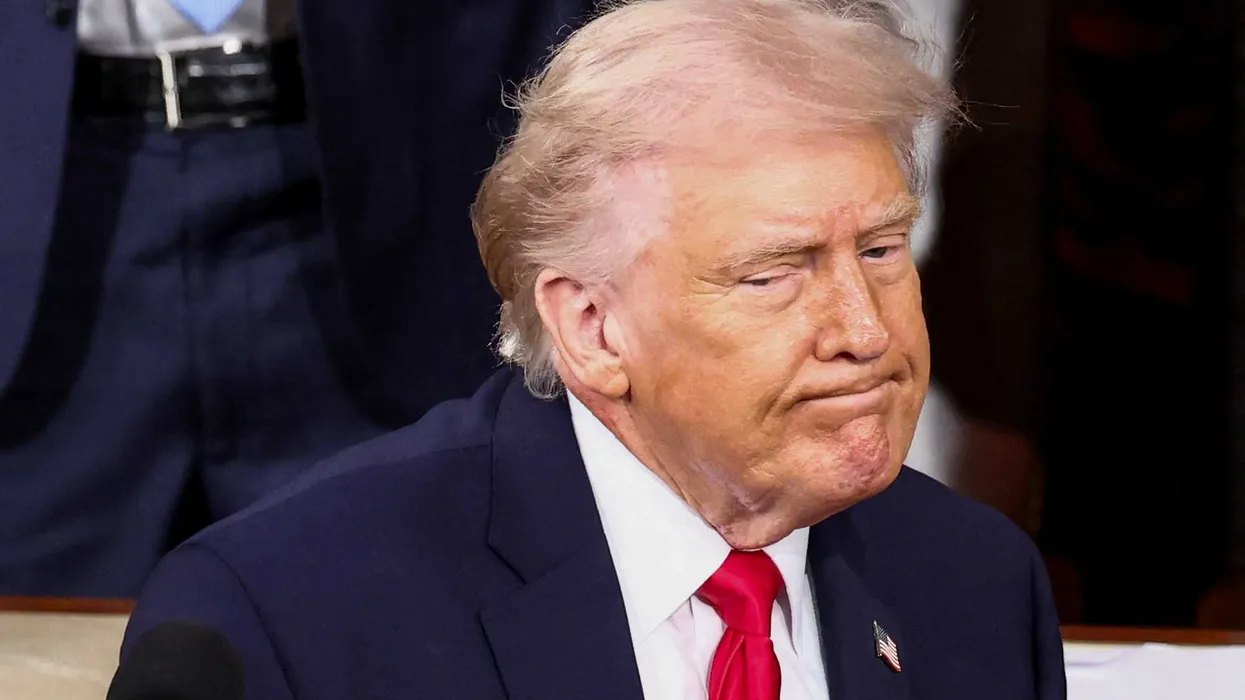
President Donald Trump’s midterm election in 2018 came at a time when his approval rating was not especially low, at 49 percent. Even then, Republicans lost roughly 40 House seats and, with them, control of the chamber. Since World War II, the party holding the White House has lost House seats in almost every midterm election, with 1998 and 2002 the only exceptions. This time, the situation is very different. Trump, who does not appear to understand how serious the problem has become, is looking for ways to put himself on the ballot for Republicans in 2026.
On Thursday, The New Republic’s Greg Sargent and The Bulwark’s Mona Charen — a conservative columnist who wrote speeches in the Reagan White House — discussed a new strategy emerging from Trump ahead of the November election: producing ads to support Republican candidates.
They also discussed new reports that Trump’s aides are telling him the reason his polls are down is that Americans do not know what he has done over the past two years.
The increasingly insulated president is being told what he wants to hear rather than the reality behind his weak approval ratings. Sargent noted that the White House is pointing to the stock market, lower fentanyl deaths, border enforcement and manufacturing as evidence that Trump’s record should be popular.
“Mona, that’s funny. I mean, maybe the border is a fair one, but stock market highs and manufacturing jobs have declined,” said Sargent.
Charen dismissed that argument as a “sleight of hand.”
She said the political “hopium” is isolating Trump further inside the Washington bubble. In her view, the aides’ narrative confuses selective indicators with what voters actually experience in their daily lives. Manufacturing output may rise, for example, but automation means that does not translate into the broad return of factory jobs Trump promised.
“The fact is that manufacturing output is up, but manufacturing employment has lagged. And for a while, it was in steep decline. Now it’s ticked up a little bit, but it’s nothing like a boom,” she explained.
Charen compared the dynamic to a “mad king” from medieval times, describing a ruler surrounded by people who cannot tell him the truth and instead tiptoe around his ego with reassurance.
She later said the bubble has become even more sealed as Trump has reduced his inner circle to loyalists, “yes-men and toadies and lackeys” who filter out bad news. She specifically mentioned Natalie Harp, the 35-year-old former One America News host known for printing out items Trump must read. Harp’s devotion to the president, Charen said, only reinforces Trump’s self-image.
Trump’s response is not to recalibrate or allow vulnerable Republicans to distance themselves from him. Instead, he reportedly wants dozens of new television ads centered on himself and his record. Charen called his “Titanic ego” a “ball and chain” for the Republican Party.
GOP candidates, she said, would prefer an election focused on local issues, Democratic overreach or anything other than Trump. Trump wants it to become a referendum on himself.
That is especially problematic, she argued, because Trump is toxic with swing voters and independents who will cast ballots in 68 days. While candidates are fighting for their political lives, Trump is starting a new trade war with Canada and doing more to harm ranchers.
Over the past several months, Trump’s views on the economy have been so detached from the daily lives of Americans that Democrats are even gaining ground in polls.
Sargent and Charen agreed that Republicans will not escape the president’s political drag as long as he remains sealed inside a fantasy world and insists that the party campaign on his alleged successes.

