Cohen表示,川普的伊朗協議是由油價與經濟考量所驅動
重點速覽
- •Cohen表示,經濟因素是 Trump 簽署伊朗協議的主要動機。
- •這項協議標誌著 2026 年美伊衝突的停火。
- •協議公布後,油價下跌、股市上漲。
- •市場反應顯示,美伊談判可能會立即影響能源與股市。
- •與荷姆茲海峽及美國制裁政策相關的進展,可能影響未來談判與市場情緒。
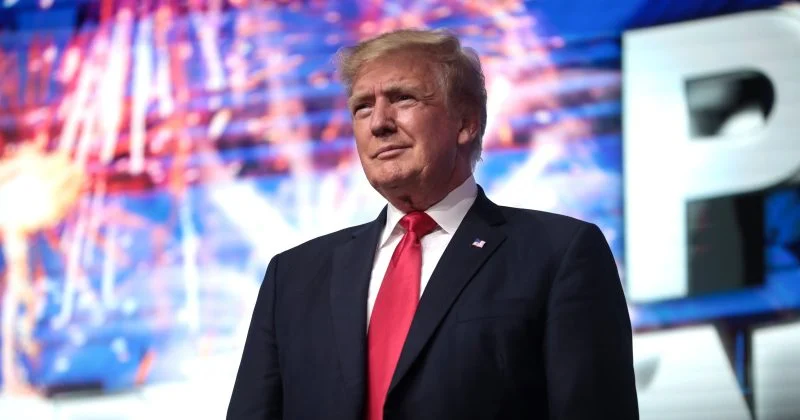
Eli Cohen recently said that former President Donald Trump’s decision to sign an agreement with Iran was primarily influenced by oil prices and their broader economic impact. The agreement, which marked a ceasefire in the 2026 U.S.-Iran conflict, was reportedly driven by a need to stabilize markets and avert an economic crisis.
The announcement of the deal led to a notable drop in oil prices and a corresponding rise in stock markets, reflecting the economic motivations behind the diplomatic move. In practice, that makes the agreement relevant beyond the immediate conflict: energy markets, equities, and policy discussions around sanctions and the Strait of Hormuz can all react quickly to changes in U.S.-Iran relations. Cohen’s comments align with reports suggesting that Trump’s decision-making was heavily swayed by economic considerations.
Current market pricing appears to support scenarios in which economic motivations play a significant role in U.S.-Iran negotiations.
Key Takeaways
Cohen said economic factors were a primary motivator for Trump’s decision to sign the Iran agreement.
The ceasefire deal led to lower oil prices and improved stock market stability, consistent with efforts to avoid economic turmoil.
Current market pricing appears to support scenarios in which economic motivations play a significant role in U.S.-Iran negotiations.
What to Watch
Watch for any further statements from key political figures, such as Trump or Iranian officials, that could confirm or contradict Cohen’s claims. Developments in oil prices and stock market reactions will also be closely watched as indicators of the ongoing impact of the U.S.-Iran agreement.
Observers will be attentive to any changes in the geopolitical landscape, particularly concerning the Strait of Hormuz and U.S. sanctions policy, which could influence future negotiations and market sentiment.
Get live prediction-market analysis, powered by Vera. Sign up for Vera.

