事實查核指出川普對加拿大說法中的明顯漏洞
重點速覽
- •Trump 在 Truth Social 上表示美國不需要加拿大,但在 tele-rally 中承認,美國大多數鋁材供應來自加拿大。
- •2025 年 Council on Foreign Relations 報告指出,在 Trump 提高關稅後,美國約一半的鋁來自進口,而加拿大傳統上是最大供應國。
- •Trump 去年對加拿大鋁製品徵收 50 percent 關稅,而與伊朗的戰爭也因中東盟友的鋁產品供應受阻而推高金屬成本。
- •Trump 背書的 Oklahoma 州長候選人同意加速推進一座鋁廠,但部分地方政府反對,且該公司將獲得數億美元補貼。
- •Aaron Fritschner 引用 United States Trade Representative 資料指出,Ontario 佔加拿大人口與 GDP 約 40 percent。
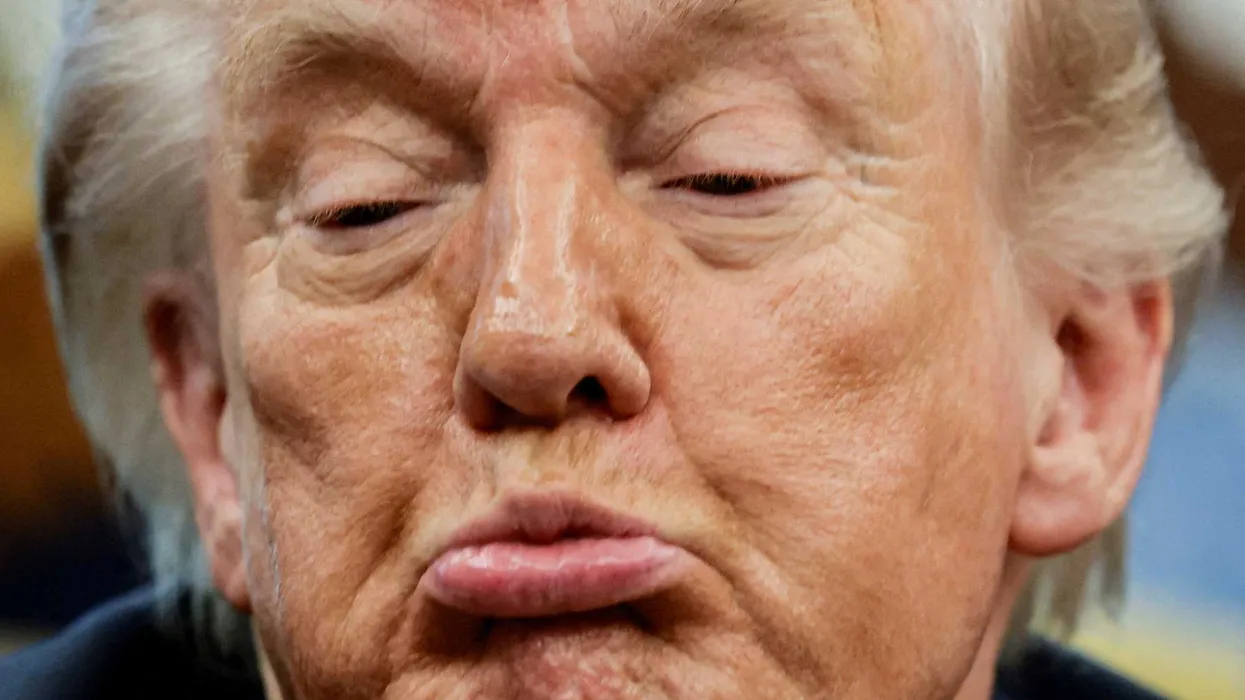
Donald Trump 總統在過去 24 小時內持續攻擊加拿大及加拿大領導人,但他的言論並未呈現完整情況。
週一,Trump 在 Truth Social 以全大寫發文:「We don't need Canada, they need us!」
Trump 寫道:「Build in the U.S. and there are zero tariffs. Canada will be treated like a State no longer! On trade, and in other ways, also, they are among the worst nations in the world to deal with.」
週二,CNN 的 Daniel Dale 引述 Trump 一場 tele-rally,內容顯示這位總統承認美國確實依賴加拿大的低價鋁。
Dale 表示,Trump 說:「You know, selfishly, we need aluminum in this country. We don't have it. We get it all from Canada, for the most part, and we need it badly,」
Council on Foreign Relations 在 2025 年的一份報告指出,在 Trump 提高鋁關稅後,美國進口的鋁約有一半來自海外。加拿大傳統上是美國最大的鋁供應國,這意味著關稅政策或供應取得情況的任何變化,都可能波及依賴鋁材的製造商。因此,Trump 對加拿大的強硬立場在過去 24 小時內似乎有所收斂。先前的貿易衝突中,Trump 批評者創造了縮寫 TACO,意指「Trump Always Chickens Out」。
Rep. Don Beyer(D-Va.)的幕僚副主任 Aaron Fritschner 引用了 United States Trade Representative 關於 Ontario 的資料。他指出,Ontario 佔「加拿大人口的 40 percent,GDP 也差不多是這個比例」。Fritschner 補充說:「Many will roll their eyes at this, but Trump’s vanity and stupidity have a real-world cost to American workers and jobs.」
諷刺的是,Trump 對鋁的需求已成為一場紅州選舉中的重大議題。Trump 在 Oklahoma 背書的一位不受歡迎的州長候選人同意加速推動州內一座鋁廠,即使地方政府因環境疑慮以及這可能傷害家庭農場而試圖阻止。
與此同時,該公司將獲得「hundreds of millions of dollars in subsidies and incentives from both the federal government and the state — a classic exercise in industrial policy,」一篇 Washington Post 社論寫道。
Trump 主張,美國必須基於「national security concern」興建這類工廠。然而,進入美國的鋁絕大多數來自加拿大,而不是中國。
The Post 的編輯委員會解釋說:「Trump disrupted that balance by imposing a 50 percent tariff on Canadian aluminum products last year in an effort to boost U.S. manufacturing. The war with Iran also increased the cost of the metal by disrupting the supply of aluminum products from U.S. allies in the Middle East.」

