Ceny uranu rosną wraz z przyspieszeniem popytu na energię jądrową
Najważniejsze informacje
- •Bloomberg’s continuous front-month uranium futures briefly exceeded $100 a pound in late January before easing back.
- •Prices later traded between $84 and $87 for about five months and have recently risen toward $89 a pound.
- •Years of underinvestment and long project lead times have limited mine supply growth and concentrated output among a few producers.
- •Goldman analysts say the uranium market has moved into deficit and that the shortfall is likely to widen as reactor demand increases.
- •China is leading global nuclear expansion and is expected to become the world’s largest nuclear power market by the end of the decade.
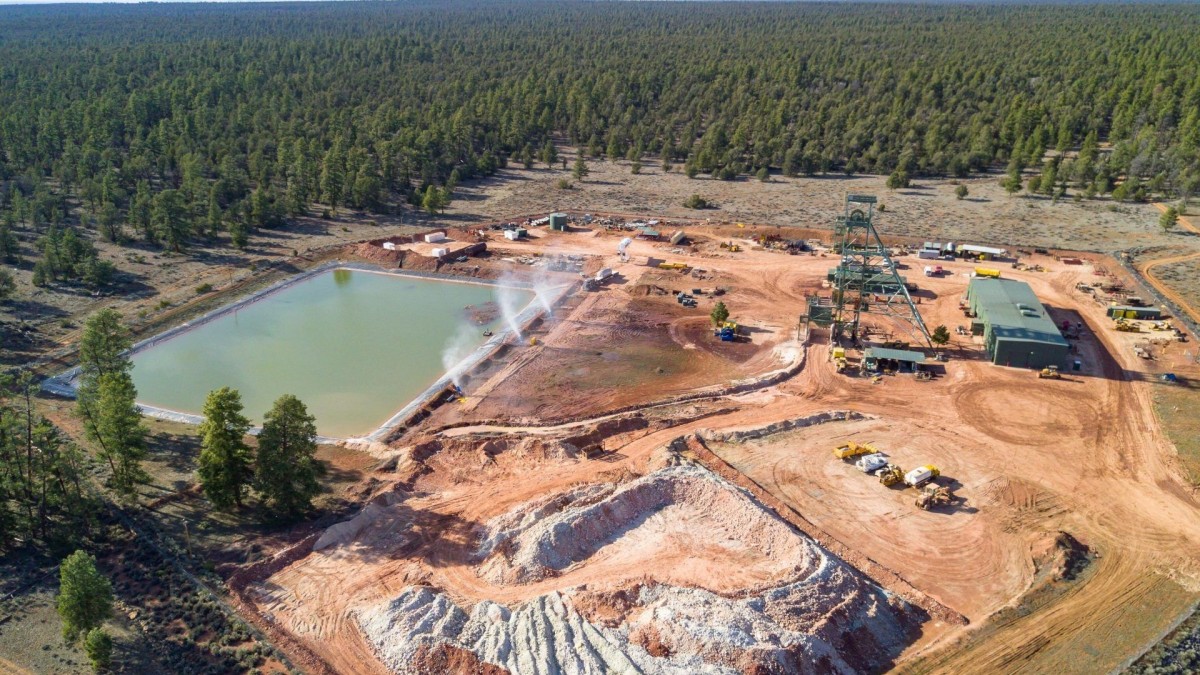
Bloomberg's continuous front-month uranium futures contract (UXA1 Comdty) briefly surged above $100 a pound in late January, driven by tightening supplies, renewed government support for nuclear power, and rising electricity demand from the AI infrastructure boom.
Uranium futures then retreated and remained range-bound between $84 and $87 for five months. Momentum has since returned in August, with prices approaching $89 a pound, the highest level since early February.
The broader backdrop remains the same: years of underinvestment have constrained mine supply growth even as reactor demand continues to rise. New uranium projects can take a decade to develop, limiting producers' ability to respond quickly to higher prices. Output is also concentrated among a handful of miners, including Cameco. That combination leaves the market more sensitive to changes in utility buying and to delays in bringing new supply online, both of which matter because nuclear fuel procurement is typically planned well in advance.
Goldman analysts have repeatedly pointed to charts showing that the uranium market has moved into deficit and that the shortfall is likely to widen as new reactor demand comes online in the years ahead.
China is leading the global expansion and is expected to become the world's largest nuclear power market by the end of the decade.
Earlier this month, UBS analyst George Eadie said, "Continued strength in term pricing and signs of accelerating utility procurement offer further evidence that the uranium market is tightening structurally."
Nuclear power has also become central to several major themes, including powering up America, reindustrializing the nation, and meeting the large new electricity demand from AI buildout.
As hyperscalers speed up data-center construction, access to electricity is emerging as a key bottleneck. Nuclear is the only scalable, low-carbon energy source capable of delivering reliable, around-the-clock baseload power, supporting what many see as a nuclear renaissance that could last for years.

