Terug naar de basis: de geleidelijke terugtocht van Sainsbury’s van de Britse high street
Belangrijkste punten
- •Sainsbury's heeft ermee ingestemd Argos te verkopen aan private-equityfirma Swift voor £120 miljoen, een scherp contrast met de £1,4 miljard die het tien jaar geleden voor de keten betaalde.
- •De desinvestering is de nieuwste stap in een meerjarige strategie om Sainsbury’s gediversifieerde conglomeraat af te bouwen en zich opnieuw volledig te richten op de kernactiviteiten in levensmiddelen.
- •Als onderdeel van deze ingrijpende herstructurering heeft Sainsbury’s ook zijn financiële dienstverlening stapsgewijs ontmanteld en bijna 10.000 banen geschrapt.
- •De terugtrekking naar kernactiviteiten in food weerspiegelt een bredere trend in de sector, waarbij concurrenten als Tesco en Marks & Spencer eveneens niet-kernactiviteiten afstoten.
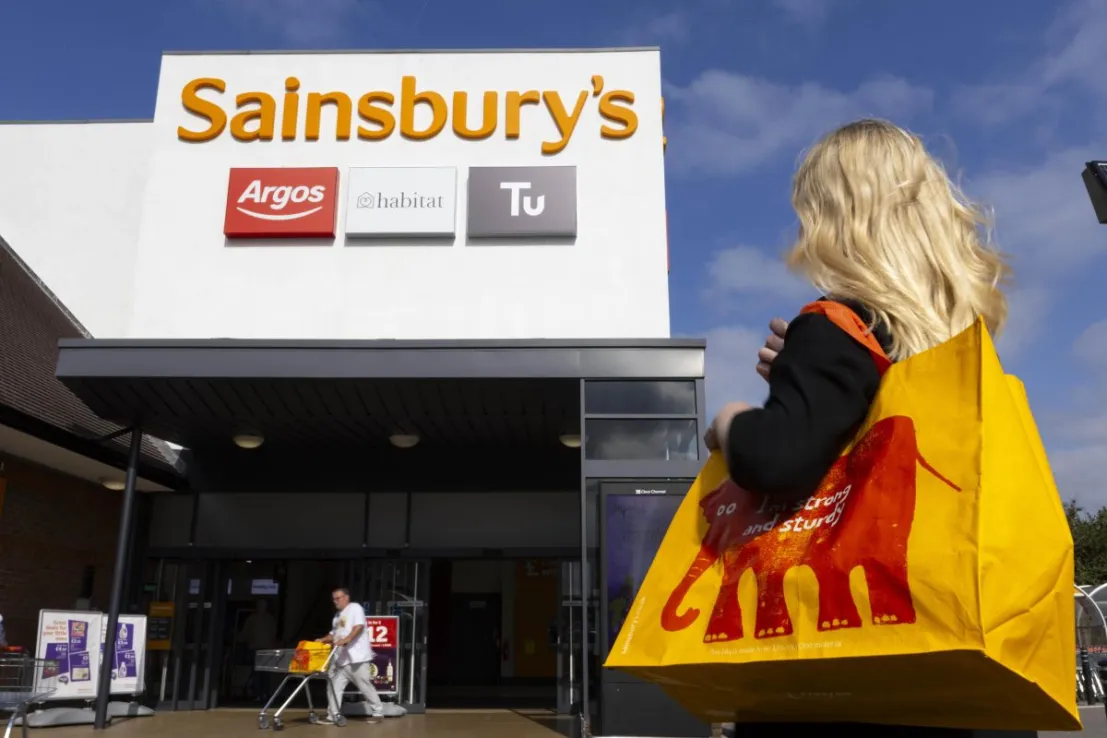
Sainsbury's agreement to sell its catalogue retailer Argos represents the latest step in a years-long unwinding of what was once a sprawling high street conglomerate, as the grocer refocuses on its core food business.
The FTSE 100 supermarket giant commands a 15 per cent share of the UK grocery market, second only to Tesco. However, the company previously presided over a broad business empire that spanned thousands of sites and tens of thousands of employees across furniture retail, DIY, banking, and homeware.
That diversified portfolio has contracted rapidly. Sainsbury's has sold off its financial arm in pieces, closed standalone stores in its kitchenware chain, and announced nearly 10,000 job cuts across successive restructuring rounds.
The sale of Argos to private equity firm Swift for £120 million is simply the most recent development — and a stark reversal from the £1.4 billion Sainsbury's paid to acquire Home Retail Group, which included Argos and Habitat, just a decade ago.
At the time of that 2016 acquisition, Argos operated 845 standalone stores, focusing primarily on technology products, toys, and household appliances. That number had already declined to 573 by the onset of the pandemic.
A few months after Simon Roberts assumed leadership in June 2020, the retailer announced an additional 420 standalone closures.
By the time of the Swift sale, only 201 Argos standalone stores remained, with a further 466 operating within larger Sainsbury's locations. All 34 Argos stores in the Republic of Ireland were shuttered in 2023.
Russ Mould, investment director at AJ Bell, described the original acquisition as a strategy to "diversify out of groceries."
"As often seems to be the case with UK supermarkets, Sainsbury's has cycled between trying to cover lots of different areas and a focus on the core activity of selling food and essentials to households," he said.
Chris Beauchamp, chief market analyst at IG, echoed that assessment: "Argos had long felt like a relic of the previous plan for Sainsbury's, one that has been superseded."
The retreat to food comes as German discounters Aldi and Lidl have steadily eroded the market share of the traditional Big Four supermarkets, intensifying pressure on Sainsbury's to sharpen its competitive position in the aisles where it earns the bulk of its revenue.
Habitat’s parallel decline
Habitat, which focuses on furniture and home accessories, has followed a similar trajectory. It came as part of the 2016 Argos deal, comprising three standalone stores and 84 mini-shops inside Homebase locations.
Sainsbury's briefly expanded Habitat after the 2016 acquisition, opening two additional standalone stores in 2018. By 2020, however, the count had returned to three. By 2023, all standalone Habitat stores were closed, leaving only small in-store branches and online sales.
Heavy human cost
The restructuring has exacted a significant toll on employment. Roberts' 2020 closure of standalone Argos stores and Sainsbury's meat, fish, and deli counters eliminated 3,500 jobs.
A further 1,400 roles followed in 2023 with the closure of two Argos warehouses, a process completed in 2024. Another 1,500 positions were placed at risk that same year as bakeries and a call centre were shut down.
In 2025, Sainsbury's closed all 61 remaining in-store cafés, patisseries, and pizza counters, cutting an additional 3,000 jobs.
This February, another 300 positions were eliminated as the technology team and Argos delivery operations were restructured, bringing total planned job cuts to 9,700.
Afbouw van de financiële tak
Sainsbury's financial services arm has been taken apart piece by piece.
NatWest acquired Sainsbury's Bank's personal loan, credit card, and retail deposit business for £125 million in 2024, while Argos Financial Services' credit card portfolio was sold to NewDay Group.
At the time, Sainsbury's stated that its ATMs, travel money, and insurance operations were not for sale, describing them as capital-light, profitable, and closely aligned with its core retail offering.
That position shifted quickly. Three months later, its network of 1,370 ATMs was sold to NoteMachine. In 2025, the travel money business went to Irish firm Fexco, and Allianz UK assumed responsibility for car and home insurance for existing customers.
In December of that year, the Qatar Investment Authority divested its stake in Sainsbury's, ending a near-20-year tenure as the grocer's largest shareholder.
Een toekomst gericht op food
With Argos now divested, Sainsbury's appears close to completing its return to a food-first retailer. Its core supermarket estate has remained largely stable, with 609 supermarkets and 885 convenience stores today — up modestly from 598 and 813 respectively in 2020/21.
The company even acquired 10 former Homebase stores to convert for its own use as it exited standalone non-food operations.
Sainsbury's had previously owned Homebase, selling the home improvement, garden, and furniture retailer in 2000 when it operated 283 stores. That figure had dwindled to 135 stores by 2020, after Australian company Wesfarmers acquired the business from Home Retail Group and dismissed the entire senior and middle management teams, eliminating critical local market expertise. Homebase collapsed into administration last year.
Brede trend in de sector
Sainsbury's is not alone in retreating to core operations. Tesco and Marks & Spencer have both sold their respective banking arms to Barclays and HSBC. Tesco is exploring an exit from Hungary, the Czech Republic, and Slovakia. M&S is concentrating on becoming customers' primary weekly food shopping destination, with plans to close larger clothing stores and shift more sales online.
The pattern reflects a broader reckoning across UK retail, where the rise of online competition and shifting consumer habits have pushed legacy chains to shed peripheral businesses that once promised growth but increasingly diverted capital and management attention.
Nevertheless, the impulse to diversify has not disappeared entirely. Sainsbury's launched its Smart Charge EV charging network in 2024, and both the Tu clothing brand and Habitat continue to operate within its larger store formats.

