Refined Fuels, Not Crude, Are Driving the Oil Market Crunch
Key Takeaways
- •Refining margins for gasoline and diesel have climbed to record levels even as crude prices have recently fallen from their highs.
- •Europe’s diesel margins rose above $60 per barrel after Russia banned diesel exports, while European gasoline traded at a four-year-high premium to crude.
- •The U.S. prompt 3-2-1 crack spread reached an all-time high near $64 in mid-July, reflecting strong refinery profitability.
- •U.S. commercial oil stocks remain below the five-year average, and wholesale diesel futures have risen 26% so far in July.
- •Asian refiners face possible delays in August crude deliveries because of disruptions at the Strait of Hormuz and the Bab el-Mandeb.
Oil prices have just retreated from a fresh two-month high as the crude market fell this week on signs of de-escalation in the U.S.-Iran conflict.
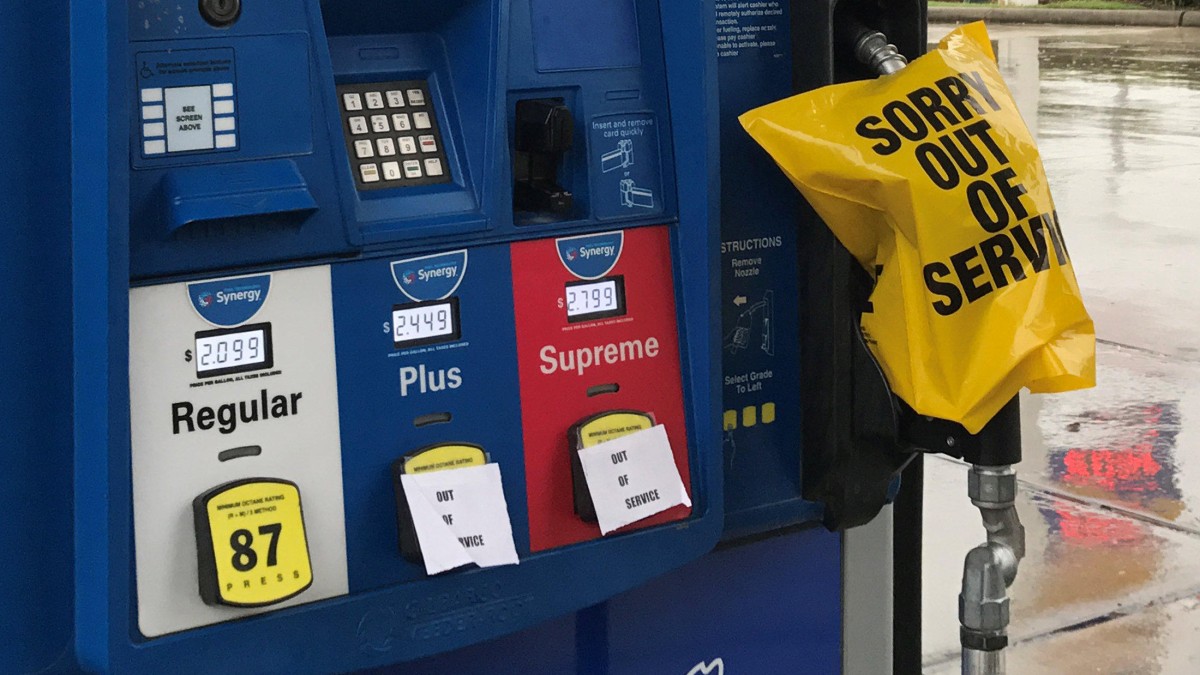
Even so, the refined products market continues to tighten, with refining margins at record highs because the supply of petroleum products remains much tighter than crude supply.
Refining margins stayed at record highs even as crude prices surged to $100 per barrel last week. The reason is that global supplies of gasoline, diesel and jet fuel have been tightening for months amid a combination of factors, many linked to the wars in Iran and Ukraine.
Crude oil futures largely reflect market hopes and fears about prices ahead. By contrast, gasoline and diesel refining margins, supplies and prices reflect the real-time balance of refinery throughput, global fuel flows and availability in different markets.
Record High Refining Margins
Earlier this month, refining margins for gasoline and diesel climbed to new record highs after the re-escalation in the Middle East, which is currently on hold, Russia’s ban on diesel exports and deteriorating global fuel inventories.
As a result, the rally in refining margins and fuel prices has far outpaced any recent moves in crude oil prices.
The jump in fuel margins and the spread over crude suggest that global fuel markets remain very tight despite the millions of barrels of crude that managed to leave the Strait of Hormuz between mid-June and early July.
Diesel refining margins in Europe rose to a record above $60 per barrel after Russia announced a ban on diesel exports in an effort to ease its domestic fuel shortage, which was triggered by a wave of Ukrainian drone attacks on Russian refineries.
European gasoline also traded at a four-year-high premium to crude of $41 per barrel. The last time European gasoline traded at such a large premium to Brent crude was in the summer of 2022, in the early months of the Russian invasion of Ukraine.
In the United States, the prompt NYMEX 3-2-1 crack spread contract, a widely used proxy for refinery profitability, also reached a record high.
The 3:2:1 crack spread moved above its June 2022 record near $60 and hit fresh all-time highs near $64 in the middle of July.
Tighter supply, export bans and multi-year-low fuel inventories in many countries, including the United States, also lifted refining margins and fuel spreads over crude.
“Diesel cracks and gasoline cracks soared to their strongest level in four years, highlighting robust product demand despite the sharp increase in crude prices,” analysts at RBN Energy said last week when crude prices rallied by 20%.
“Rather than eroding refining economics, higher crude prices were more than offset by stronger product values, allowing refiners to preserve historically attractive margins,” RBN Energy added.
Despite high refinery utilization in the United States, global fuel markets remain tight because inventories are low and record-high U.S. oil and fuel exports cannot fully offset the supply lost in the Middle East.
U.S. commercial oil stocks remain 6% below the five-year average for this time of year, even after building in the latest reporting week to July 17. Stocks at Cushing, Oklahoma, and in the Strategic Petroleum Reserve are at multi-year and four-decade lows, respectively.
In another sign of tightening fuel markets, U.S. wholesale diesel futures have risen 26% so far in July.
Elsewhere, Asian refiners that had expected a flood of crude supply from the Middle East in August are now facing potential delivery delays amid the renewed closure of the Strait of Hormuz and slower traffic at the other key chokepoint, the Bab el-Mandeb in the Red Sea. Those delays could disrupt Asian refiners’ plans to increase crude processing rates in the coming weeks, a reminder that refiners are contending not just with price moves but also with the timing and reliability of physical shipments.
Fuel Markets Could Tighten Further
“Currently refineries in Asia (except China) are operating at high runrates (~80%), but expecting this would reduce by end Aug as the prompt delays in crude arrivals from the Middle East weigh on the operating feasibility of the sites,” June Goh, Senior Oil Analyst at Sparta Commodities, said in an analysis on Monday.
Analysts warn that tight fuel markets could add to inflation pressures and create challenges for economies globally, since diesel is essential for agricultural activity and road freight.
For months, experts have said that the real crunch in the oil market is in refined products, and that fuel margins and prices are a better gauge of how the world is coping with the Middle East crisis than crude futures, which are often driven by fears, hopes and greed.
In a rare statement last week, Fatih Birol, executive director of the International Energy Agency (IEA), said that “There is no room for complacency on oil security amid the escalation in hostilities and a continued drawdown of available commercial inventories.”
While noting that IEA countries still hold more than 1 billion barrels of government-controlled stocks, Birol said that “Refinery activity and product supplies have not picked up as much as crude deliveries, meaning that markets for refined oil products, including diesel and gasoline, are considerably tighter than those for crude.”
By Tsvetana Paraskova for Oilprice.com
More Top Reads From Oilprice.com
Saudi Crude Tanker Goes Dark to Slip Through Bab el-Mandeb
Hormuz Tanker Crossings Sink to Lowest Level Since May as War Risk Spikes
ADNOC Issues Seventh Crude Tender Since June Despite Hormuz, Red Sea Risks

