GSK、£400mのケンブリッジ・キャンパス資金確保へ人員削減
重要ポイント
- •GSK plans to save £1.9bn over three years through a restructuring that includes global job cuts in back-office and other lower-growth areas.
- •The company will invest £400m in a new 300,000 square foot Cambridge campus that will house more than 1,000 scientists and replace its Stevenage R&D site by 2029.
- •GSK said it will double its phase-three trials this year from 10 to 20 as it prioritises programmes with the strongest growth potential.
- •The restructuring is intended to help GSK prepare for the 2028 expiry of its HIV dolutegravir patent and reduce future earnings pressure.
- •GSK reported a 75% drop in profit in the three months to July after unusually high drug-related impairments, while sales rose 5% to £8.4bn.
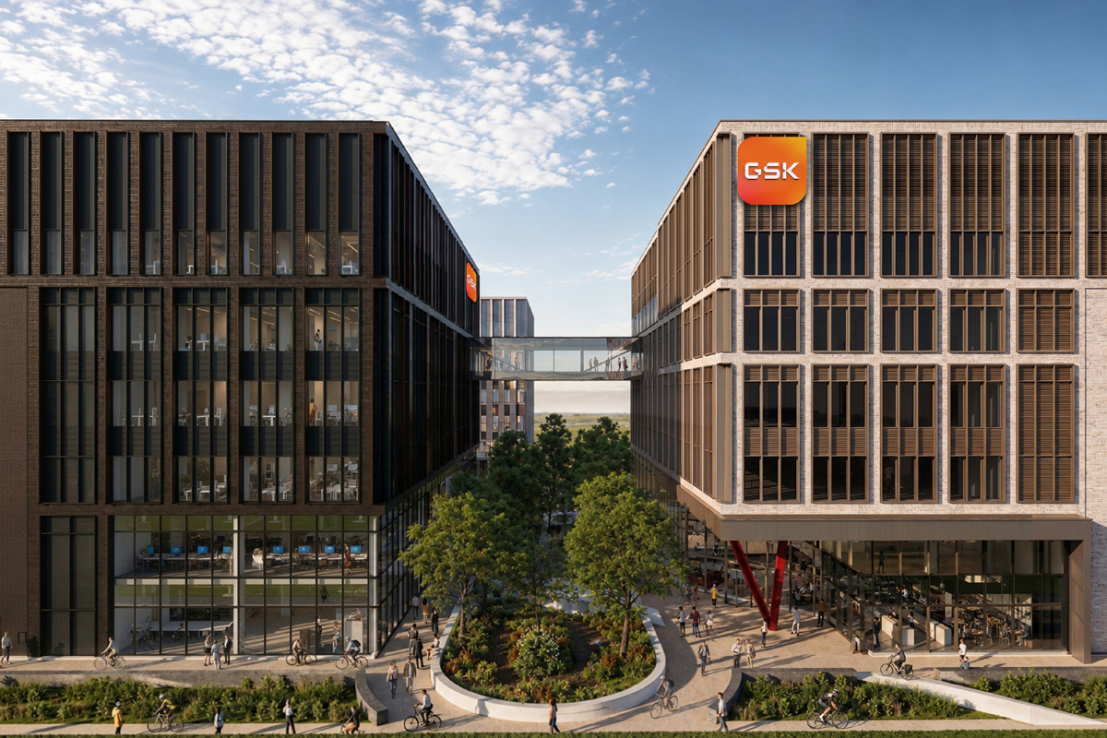
GSK is set to reduce its back-office headcount to help finance a £400m campus in Cambridge, in a move the company hopes will strengthen its drug pipeline and ease pressure from an approaching patent cliff.
In his first major update as chief executive, Luke Miels set out plans to deliver £1.9bn of savings over the next three years as part of a wide-ranging strategic overhaul. The company said the savings would support heavy investment in late-stage trials and the new Cambridge site, while some of the money would also be used to improve operating margin.
Miels said the restructuring would simplify the business, allow GSK to concentrate on its more profitable divisions, and strengthen its pipeline of new medicines. The pharmaceutical group said it will rely heavily on technology and artificial intelligence to replace some of the output from roles that are eliminated. It did not disclose how many staff would be affected, but said the job cuts would be global. For a drugmaker facing a 2028 patent expiry on a key HIV franchise, the timing matters because it shows GSK is shifting resources toward the parts of the business that are meant to sustain future sales rather than maintaining a broader cost base.
The announcement also included details of a new 300,000 square foot site in Cambridge that will become the new home of GSK’s research and development arm and house more than 1,000 scientists.
Miels described the move, which will see GSK leave its Stevenage research and development site for Cambridge by 2029, as a boost for the FTSE 100 company, which has lagged behind Astrazeneca and US rivals in recent years.
“This investment will accelerate our R&D and help us deliver new, competitive products,” he said. “It integrates GSK further into one of the world’s leading centres of knowledge and demonstrates the attractiveness of the UK’s life sciences ecosystem.”
The investment is the latest sign of improving relations between ministers and the UK pharmaceutical sector. Earlier this year, several major companies including Astrazeneca and Germany’s Merck cancelled expansion plans worth billions of pounds during a dispute with the government over the NHS pricing regime.
In February, former science minister Patrick Vallance reached an agreement that would see taxpayers pay an extra £1bn on drug prices, a deal that prompted Astrazeneca to revive plans to invest £300m in the UK. The agreement also eased pressure from President Donald Trump, who had threatened tariffs on pharmaceutical exports from the UK and Europe unless those countries paid more for medicines.
GSK ramps up phase three trials
GSK’s new campus is the first major strategic announcement from Miels, who took over from veteran chief executive Emma Walmsley at the start of this year. The company has been under pressure from shareholders over the prospect of losing protection on one of its most important drugs.
The patent on GSK’s HIV dolutegravir franchise is due to expire in 2028, raising concern about a gap in future earnings. In Tuesday’s update, Miels said GSK would step up investment in late-stage trials, focusing on programmes it believes have the strongest growth potential. The London-listed company will double the number of phase-three trials it is running this year from 10 to 20.
To help fund the two parallel investment programmes, GSK has also outlined plans for redundancy programmes in less profitable areas of the business. The job losses are expected to come from back-office functions such as human resources, as well as from transfers out of the general medicine business to faster-growing parts of the company. The combination of site investment and restructuring underlines how much is riding on GSK’s ability to turn late-stage research into medicines that can offset the eventual loss of exclusivity on established products.
Alongside the restructuring, GSK said profit in the three months to July fell 75% after unusually high drug-related impairments. Those write-downs included a decision last week to abandon its programme to bring a chronic cough medicine to market, three years after it acquired the company that owned the asset for $2bn (£1.5bn).
Total sales rose 5% to £8.4bn, the company said, while core profit, which excludes items GSK views as anomalies, increased 7%.
Prime Minister Andy Burnham described GSK’s Cambridge investment as a “step towards more people getting access to new medicines and cutting-edge treatments that will change lives for the better”.
John Healey, Burnham’s new Chancellor, said: “This announcement from GSK is yet another vote of confidence in the sector and demonstrates the success of the government’s industrial strategy in unlocking vital private investment into the UK.”

