Trump subisce critiche dai conservatori per aver dato la colpa a Biden mentre il Dipartimento del Lavoro segnala 75.000 posti di lavoro manifatturieri persi
Punti chiave
- •Il Dipartimento del Lavoro ha riportato la perdita di 75.000 posti di lavoro manifatturieri durante il secondo mandato di Trump.
- •Erick Erickson ha affermato che Trump non dovrebbe incolpare Joe Biden per i problemi economici legati ai dazi.
- •Erickson ha sostenuto che Trump potrebbe abbassare i prezzi e sostenere i mercati eliminando i dazi.
- •Robert Shapiro ha detto che l’incertezza legata ai dazi sta scoraggiando investimenti e decisioni di produzione.
- •Shapiro ha affermato che la disputa commerciale potrebbe danneggiare i lavoratori statunitensi, gli investimenti e la domanda di beni americani in Canada.
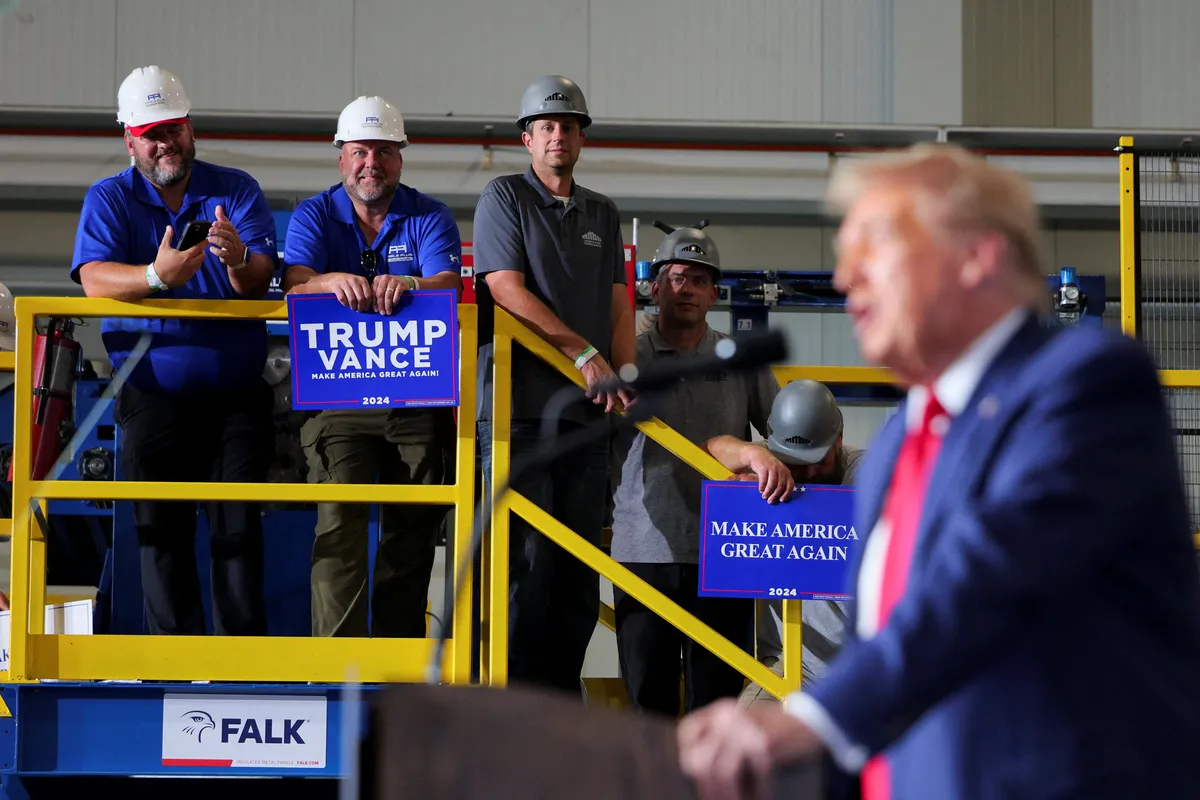
Donald Trump ha fatto dei dazi la principale iniziativa economica all’inizio del suo secondo mandato. Ora che il suo stesso Department of Labor ha segnalato la perdita di 75.000 posti di lavoro nel settore manifatturiero nello stesso periodo, Trump sta cercando di spostare la responsabilità sul suo predecessore, il presidente Joe Biden — ma uno dei suoi stessi conservatori gli sta dicendo, non così in fretta.
"Is this all being framed as Joe Biden's fault?" NewsNation's Leland Vittert asked conservative commentator Erick Erickson on Thursday. "Does that make people say, 'I get it, it's Joe Biden's fault, I'm going to give him more time,' or does it seem like, after two and a half years, Republicans are passing the buck?"
Erickson ha respinto senza esitazione l’idea che la colpa sia di Biden.
"[Trump] came in, in '25, and what was the major economic initiative?" Erickson asked. "Tariffs. Americans understand that taxes and prices went up afterward — whether it's the war, whether it's tariffs, whether it's something else, the president could, with the stroke of a pen tomorrow, get rid of the tariffs, start bringing prices down, and cause a market rally. But he won't do that, because you can't teach an old dog new tricks — he's an old believer in tariffs. That was the fundamental economic issue when they came into office, and people can put their finger on that and say, 'That's when things started to go bad.' So you can't keep passing the buck to the Democrats."
L’analisi di Erickson trova consenso anche dall’altra parte dello schieramento politico, sottolineando che le critiche ai dazi sono arrivate sia da voci conservatrici sia da esponenti vicini ai Democratici, mentre il settore manifatturiero continua a seguire con attenzione la politica commerciale. Parlando con AlterNet a luglio, il dottor Robert Shapiro — che ha servito come sottosegretario al commercio per gli affari economici sotto il presidente Bill Clinton — ha spiegato in che modo i dazi di Trump stiano danneggiando l’economia.
"It's about uncertainty," Shapiro told AlterNet. "Every investment is based on an assessment of the likely future demand for whatever you're investing in, and how much it's going to cost to produce it. So there are assumptions about labor costs, material costs and other input costs — and again, about demand. If you have a set of arrangements that give you some confidence about the price of your inputs coming from Mexico or Canada, or about demand for goods in Canada — and don't forget, we have virtually no trade deficit with Canada; we have enormous trade, and it goes in both directions — so it's certainly right, and it's not just about investments based on these probabilities that the trade agreement can help reduce uncertainty about."
Shapiro ha concluso: "It's also about how much you're going to produce today, apart from investment, because you've got thousands of companies selling goods or services into Canada. And so there's uncertainty about whether this will lead to more conflict with Canada, which would hurt Canadian demand for US goods, or whether Canada will impose a new tariff in retaliation for ours that makes my goods less competitive there. Of course it's bad — it's bad for American workers, it's bad for American investment."
Video: https://youtu.be/lC0v_Y1n_xU
