La imagen de Trump como negociador se deteriora mientras los líderes mundiales desestiman sus “bluffs y bellicosity”
Puntos clave
- •Heather Digby Parton, columnista de Salon, sostiene que la reputación de Trump como maestro negociador ha quedado desacreditada y que los líderes internacionales cada vez más ignoran sus amenazas e iniciativas diplomáticas.
- •Tony Schwartz, coautor fantasma de "The Art of the Deal" de Trump, ha expresado profundo remordimiento por haber creado lo que llama una imagen errónea y ha descrito a Trump como patológicamente deshonesto y superficial.
- •Un informe de The Washington Post citado por Parton documenta que Irán se niega a cumplir las exigencias de EE. UU. para reabrir el estrecho de Ormuz, Putin continúa la guerra en Ucrania y aliados europeos han desestimado las renovadas demandas de Trump sobre Groenlandia.
- •Jeremy Shapiro, del European Council on Foreign Relations, afirmó que las anteriores fanfarronadas de Trump solo funcionaron gracias al capital diplomático acumulado de Estados Unidos, que ahora está agotando rápidamente.
- •Parton advierte que la pérdida de credibilidad de EE. UU. y la exposición de las debilidades nacionales dejarán al país vulnerable durante un período prolongado, ya que la confianza diplomática es uno de los activos estratégicos más difíciles de reconstruir.
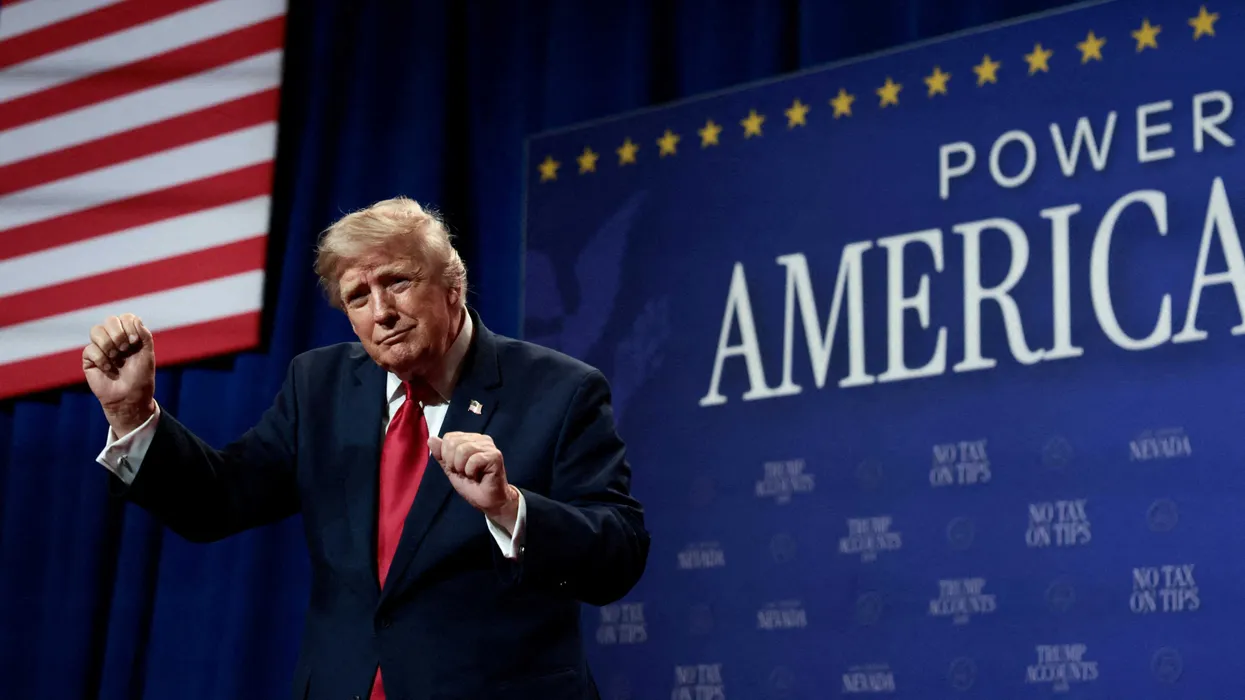
La carrera política del presidente Donald Trump se ha apoyado en gran medida en su reputación como un negociador hábil. Sin embargo, según la columnista política de Salon Heather Digby Parton, esa reputación "has been exposed as a fiction", mientras un número creciente de líderes mundiales decide "stop paying attention" a sus "bluffs and bellicosity". Parton argumentó el viernes que la comunidad internacional ha visto a través de la fachada de Trump y que su retórica dejará a Estados Unidos "vulnerable for a long time to come." (Salon)
La percepción de Trump como un negociador astuto se remonta a su libro "The Art of the Deal." Su coautor fantasma, Tony Schwartz, ha expresado desde entonces "deep remorse for creating this erroneous image." Después de que Trump anunciara su candidatura presidencial en 2015, Schwartz dijo que, si escribiera el libro hoy, lo titularía "The Sociopath." En aquel momento, Schwartz declaró: "I genuinely believe that if Trump wins and gets the nuclear codes, there is an excellent possibility it will lead to the end of civilization."
La գնահատación de Schwartz reveló lo que muchos solo llegarían a reconocer demasiado tarde: "the man who touted himself as the world's greatest dealmaker was a pathologically dishonest hype artist with the attention span of a four-year-old, described by Schwartz as having 'a stunning level of superficial knowledge and plain ignorance' who seemed 'driven entirely by a need for public attention.' His alleged negotiation prowess was actually nonexistent, as the multiple failures of his businesses should have made clear."
A lo largo de su presidencia, afirma Parton, los estadounidenses han visto cómo esta dinámica se desarrollaba en el escenario global. "The president has confused his 'Art of the Deal' with the art of diplomacy, and they are most definitely not the same thing," escribe. "Even if he were actually talented at the former, which he is not, it would have no bearing on the latter, and the consequences of that are turning out to be substantial and damaging." La distinción importa porque la credibilidad diplomática —la convicción entre aliados y adversarios de que los compromisos de una nación son fiables— se construye durante décadas mediante políticas coherentes y continuidad institucional, y los especialistas en política exterior la consideran uno de los activos estratégicos más difíciles de reconstruir una vez agotados.
Parton sostiene que Trump no entiende en esencia cuál es el propósito de la diplomacia. "The aim is to manage relations between countries over the long term to maintain stability and predictability; it’s not a 'winner take all' proposition," escribe. La credibilidad, subraya, es esencial para una nación como Estados Unidos. Sin ella, EE. UU. está desatando fuerzas que serán extremadamente difíciles de controlar. "Trump is a pathological liar," escribe Parton, y durante la última década el mundo ha llegado a reconocer su "damaged personality."
Citando un informe reciente de The Washington Post, Parton escribe: "The world is no longer taking the U.S. seriously, leaving the government with no credibility. As a result, international relations are unstable and dangerous." Los líderes mundiales ahora entienden que la política estadounidense está dictada por los caprichos cambiantes de Trump.
"The world has decided to stop paying attention," argumenta Parton. Aquí cita el informe del Washington Post, que afirmaba: "Most consequently, Iran refuses to bend under American bombs and reopen the Strait of Hormuz, and Russian President Vladimir Putin persists in his war in Ukraine. Europe met Trump’s recently renewed demands for Greenland with a collective sigh, and trading partners have shrugged off the latest tariffs." Según Parton, "Jeremy Shapiro, director of the U.S. program at the European Council on Foreign Relations, told the Post he was surprised at how long Trump’s bluffs and bellicosity had worked, crediting it to the ‘awesome power and deep, long-stored-up diplomatic capital of the United States’ that Trump has ‘finally started to blow through.’"
Por ello, escribe Parton, "The president’s threats are now seen as empty, and his so-called deals aren’t worth the paper they’re printed on. This was most recently on display in mid-July when he made a big, splashy announcement of a nuclear deal with Saudi Arabia. Within a day, Trump added a poison-pill requirement by way of a Truth Social post that left the Saudis reeling. His threats to annihilate Iran are now falling on deaf ears because he’s all over the place, usually lying about the progress of diplomatic talks, showing that he’s full of bluster and bombast but lacks a strategy to win and ideas about how to get out."
Parton concluye con un tono sombrío y escribe: "America’s political dynamics have us all just trying to hold on until he’s out of office so we can try to rebuild from the rubble . But the loss of credibility, the exposure of the nation’s weaknesses and the people’s willingness to put such a man in charge will not be easily repaired. The long-term damage to our international reputation, coupled with the weakness we are demonstrating in any number of areas, will leave us vulnerable for a long time to come."
