Yen Rallies to Multi-Month High as BOJ Rate Hike Expectations Build
Key Takeaways
- •Markets have nearly fully priced a 25-basis-point BOJ rate hike to 1.25% ahead of the September 17-18 policy meeting, which would be the highest policy rate since 2008.
- •Japan spent 15.4 trillion yen ($98.66 billion) on yen-buying intervention between July 30 and August 26, contributing to a record $79.6 billion monthly decline in foreign reserves in August.
- •The yen traded around 155-156 per dollar in early September, recovering from a four-decade low near 164 per dollar.
- •BOJ board member Hajime Takata and Governor Kazuo Ueda have both previously signaled concerns about upside inflation risks, with Takata proposing a rate of around 1.0% in January.
- •A stronger yen could trigger unwinding of yen-funded carry trades, which previously contributed to a sharp global market sell-off after the BOJ's July 2024 rate hike.
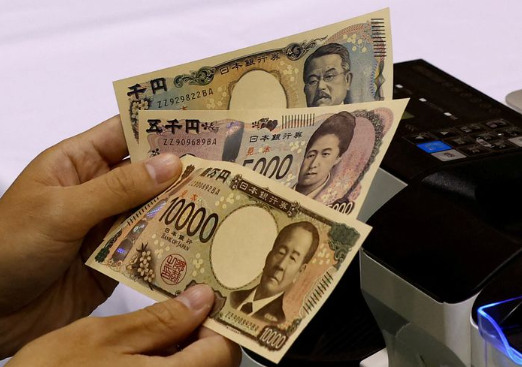
The Japanese yen has strengthened sharply against the U.S. dollar, climbing to its strongest level since February as investors raise their expectations that the Bank of Japan (BOJ) will hike interest rates at its September meeting.
According to Coin Bureau, markets are pricing in a 25-basis-point increase to 1.25%, which would mark the highest BOJ policy rate since 2008. The central bank's next monetary policy meeting is scheduled for September 17–18, dates confirmed by the BOJ's official schedule. The move would continue Japan's gradual exit from decades of ultra-loose monetary policy, under which the BOJ held rates near or below zero for years.
Yen Rebound Builds on Intervention
The yen's latest advance extends a recovery from a four-decade low near 164 per dollar. Japan previously intervened in currency markets to support the yen, a move that helped reverse part of the currency's losses.
Japan's Finance Ministry reported that the country's foreign reserves fell by $79.6 billion in August — the largest monthly decline on record — following a record yen-buying intervention. Reuters reported that Japan spent 15.4 trillion yen ($98.66 billion) between July 30 and August 26 as authorities sought to stabilize the currency.
By early September the yen was trading around 155–156 per dollar, while expectations of further BOJ tightening have increasingly become a driver of currency markets.
BOJ Faces Rising Inflation Pressure
The September meeting has taken on added importance as policymakers assess whether inflation risks warrant a faster normalization of monetary policy.
BOJ board member Hajime Takata has previously argued for higher rates when price risks were tilted upward. In January, Takata opposed a BOJ decision to keep the overnight call rate around 0.75%, instead proposing a rate of around 1.0%.
Governor Kazuo Ueda has also highlighted upside risks to inflation, while markets have increasingly focused on the possibility of a 25-basis-point move. Reuters reported on September 7 that financial markets had nearly fully priced such an increase to 1.25%.
U.S. Treasury Secretary Scott Bessent has also called for stronger Japanese policy action to support the yen. Japan and the United States agreed in September to continue coordinating on orderly yen movements, following their earlier intervention.
Yen Strength Could Affect Global Markets
A stronger yen could carry wider implications for global financial markets. Higher Japanese interest rates may encourage investors to repatriate capital and unwind yen-funded carry trades, potentially affecting currencies, bonds and other risk assets. The unwinding of such trades has moved global markets before: the BOJ's rate hike in late July 2024 was followed in early August 2024 by a sharp global sell-off in equities and other risk assets, an episode widely linked to the reversal of yen carry trades.
For cryptocurrency markets, the key question is whether a sustained yen recovery triggers broader changes in global liquidity and leveraged positioning.
Attention now turns to the BOJ's September 17–18 meeting, where the policy decision and Ueda's subsequent guidance will provide the clearest indication of whether Japan is moving toward a faster rate-hike cycle.
