WTI Crude Oil Settles at $80.17, Falling to Its Lowest Level Since August 26
Key Takeaways
- •WTI crude settled at $80.17 a barrel on Monday, down nearly 4%, reaching its lowest close since August 26 and extending losses to a third straight weekly decline.
- •Libya's Sharara pipeline resumed operations, returning crude from one of the country's largest producing fields to the Zawiya terminal and adding to available supply.
- •JPMorgan expects an oil surplus to develop into 2027, forecasting futures in the high $70s during the first half of that year.
- •Crude declined even as fresh attacks on shipping near the Strait of Hormuz were reported, with traders prioritizing returning supply over geopolitical risk.
- •The November 29 OPEC+ meeting, where the producer alliance will discuss 2027 output, is the next key policy event, with the $80 level serving as the immediate market barometer.
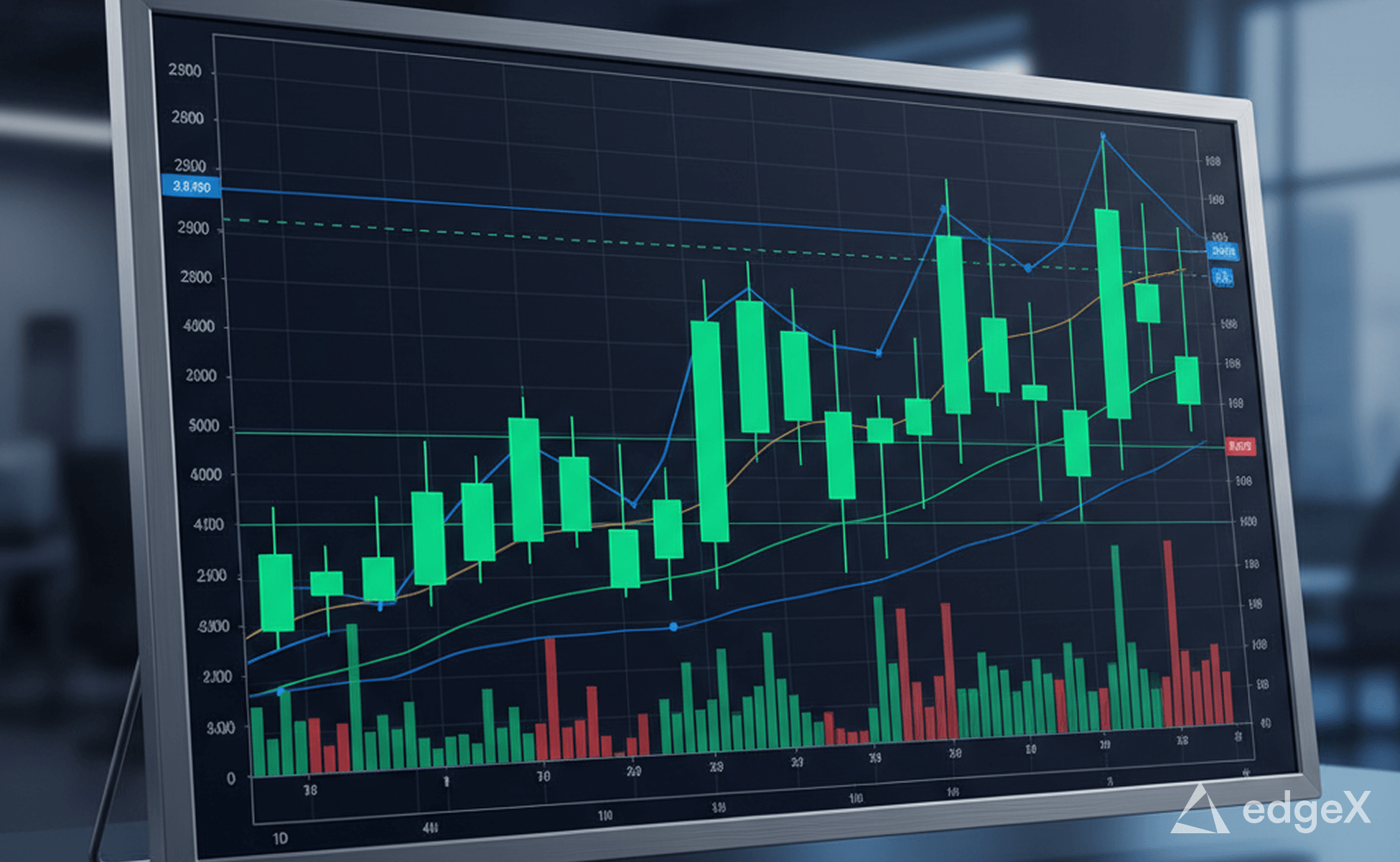
WTI crude oil fell nearly 4% on Monday, settling at $80.17 a barrel after touching an intraday low of $79.95. WTI — West Texas Intermediate — is the US benchmark grade of crude, and the settlement serves as the official closing price for the session. The decline, which took prices to their lowest level since August 26, extends a slide that has now produced three straight weekly declines.
Libya's Sharara Pipeline Reopening Adds Supply
Sellers took the upper hand after Libya's Sharara pipeline reopened. Sharara ranks among Libya's largest producing oil fields, and the pipeline carries its crude to the coastal terminal at Zawiya. Libya's National Oil Corporation told Reuters that crude had begun flowing into storage tanks at Zawiya. The restart adds to supply availability at a time when traders are already watching for a surplus.
JPMorgan Sees Surplus Building Into 2027
The market is also looking ahead to more supply in 2027. The October rebound in Middle Eastern exports left more crude on tankers, and JPMorgan expects additional production from the Middle East outside Iran and from the Americas to contribute to a surplus next year. Barrels held on tankers count as supply that becomes available to buyers once delivered, which is why tanker build-ups factor into the surplus outlook. The bank sees oil futures in the high $70s in the first half of 2027.
Stronger Dollar Compounds the Pressure
A stronger dollar added a headwind. The dollar rallied alongside the Nvidia-led rebound in stocks, making dollar-priced crude more expensive for buyers using other currencies and adding pressure to a market already selling off on supply news.
Notably, crude fell even after reports of fresh attacks on shipping near the Strait of Hormuz, the narrow passage between the Persian Gulf and the Gulf of Oman that carries a large share of the world's seaborne oil. Traders put more weight on the barrels coming back into the market and the prospect of more supply next year. The next policy event is the November 29 OPEC+ meeting, where the producer alliance of OPEC members and allied exporters, including Russia, is due to discuss 2027 output.
Key Levels in Focus
For traders, $80 is the immediate barometer: trade above is more bullish, trade below is more bearish. On the downside, $79.62, $76.53 and $74.24 are all targets if the price moves lower. Below those levels, the July low at $67.24 will come into view. That low was near the closing level on February 27 — the day before the start of the US/Iran War — and the market will be interested in that level.
At the Pump
For reference, the current average price for a gallon of gasoline in the US is $3.63, down from $4.29 a month ago. Gasoline is refined from crude oil, which accounts for the largest share of the retail pump price. On February 28, the day the war started, the price was $2.98 per gallon.

