Iran Conflict Drives VLCC Charter Rates to $650,000 Per Day on Strait of Hormuz Risks
Key Takeaways
- •VLCC charter rates have surged to $650,000 per day amid escalating conflict-related risks around the Strait of Hormuz.
- •The Strait of Hormuz handles roughly a fifth of globally traded oil, meaning disruptions there ripple through freight costs and crude flows worldwide.
- •The latest rate is a steep rise from earlier in the conflict, when VLCC rates exceeded $423,736 per day in March 2026.
- •War-risk insurance premiums that shipowners must pay to transit high-risk zones are directly adding to the cost of each voyage.
- •Market pricing puts the probability of Iran imposing Strait of Hormuz transit fees at 2.2% by end of August and 38.5% by December 2026.
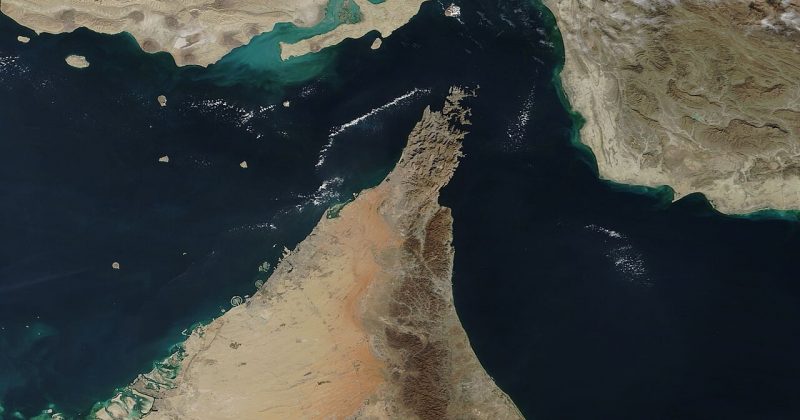
Charter rates for Very Large Crude Carriers (VLCCs) have surged to $650,000 per day as the ongoing conflict involving Iran escalates risks around one of the world's most important shipping corridors, according to a report by ZeroHedge. VLCCs are the largest crude oil tankers in service, typically carrying around two million barrels per voyage, making their charter rates a key barometer of seaborne oil trade conditions.
The Strait of Hormuz, a vital artery for Middle Eastern crude exports, has seen heightened risk and disruption as the conflict continues. The waterway handles roughly a fifth of globally traded oil, so even partial disruptions there affect freight costs and crude flows well beyond the region. The war has significantly disrupted tanker traffic and insurance coverage, which in turn has pushed freight rates sharply higher. War-risk insurance premiums, which shipowners must pay to sail through high-risk zones, add directly to the cost of each voyage.
The latest figure marks a steep escalation from earlier in the conflict. Reports indicated that VLCC rates had already surged past $423,736 per day in March 2026, illustrating the effect of the war premium on maritime logistics.
Elevated Maritime Risk
The conflict around the Strait of Hormuz appears to have driven VLCC rates to unprecedented levels, pointing to increased maritime risk. Market pricing also suggests a rising likelihood that Iran could impose transit fees on vessels passing through the strait if the conflict continues. Recent developments may signal further disruption to shipping routes, with potential consequences for global oil supply chains, including longer alternative routings that reduce effective tanker capacity.
What to Watch
Observers are closely monitoring Iran's actions regarding the possible imposition of transit fees for vessels transiting the Strait of Hormuz. Current market pricing indicates a low probability, 2.2%, of such fees being charged by the end of August, but a considerably higher likelihood, 38.5%, by December 2026.
Key developments, such as official announcements from the Iranian government or changes in the dynamics of the conflict, could significantly shift these probabilities. Attention will remain focused on geopolitical negotiations and any public statements from the parties involved, including the United States and Iran.
