Venezuela Weighs OPEC Exit as US Talks Target Long-Term Oil Field Access
Key Takeaways
- •Venezuela, a founding OPEC member, is discussing a possible exit from the oil cartel with the United States.
- •The Trump administration is seeking long-term leasing arrangements for Venezuelan oil fields, which would be easier without OPEC production constraints.
- •The UAE left OPEC and OPEC+ on May 1, 2026, so a Venezuelan departure would be the second such exit in a short period.
- •Venezuela has the world’s largest proven oil reserves but is currently producing about 1 million barrels per day.
- •Venezuela is exempt from OPEC+ quotas, and any major production increase through U.S. partnerships would eventually run into OPEC’s coordination rules.
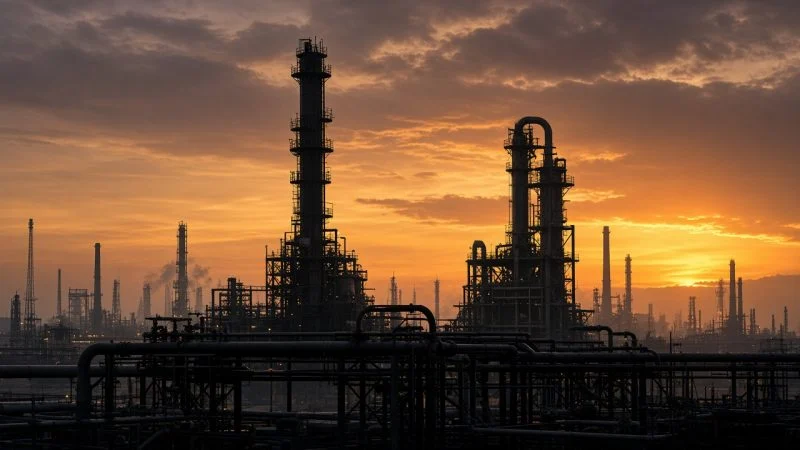
Venezuela, one of OPEC's five founding members, is in discussions with the United States about a potential exit from the oil cartel. The talks come as the Trump administration pushes to secure long-term leasing arrangements for Venezuelan oil fields — a deal that would be far easier to execute without OPEC production constraints attached.
The UAE already left OPEC and OPEC+ effective May 1, 2026. If Venezuela follows, it would mark the second departure from the organization within a matter of months — and this time by a country that helped found the group in 1960.
What Washington Wants
The US Strategic Petroleum Reserve has fallen to roughly 289.7 million barrels, a level not seen in approximately 40 years.
Venezuela sits on the planet's largest proven oil reserves, yet it is currently pumping only about 1 million barrels per day. Years of sanctions, underinvestment, and political turmoil have left what should be one of the world's major oil producers operating far below its potential.
The negotiations reportedly center on leasing specific Venezuelan oil fields to American companies for long-term development. This dynamic shifted dramatically after the ousting of President Nicolas Maduro in January 2026, which gave Washington considerably more leverage over Venezuelan oil sales.
For energy markets, the talks matter because Venezuela's output still sits well below its reserve base, so any arrangement that changes who can develop those fields has implications for how the country's production is managed and sold. The outcome would also sit at the intersection of oil supply policy, sanctions pressure, and control over upstream assets — a combination that helps explain why cartel membership has become part of the discussion rather than just a side issue.
Why OPEC Membership Complicates Matters
Venezuela is currently exempt from OPEC+ production quotas — a courtesy extended because sanctions and infrastructure decay had already throttled its output well below any meaningful ceiling. Any serious ramp-up of production through US partnerships would eventually collide with OPEC's coordinating mechanisms.
President Trump himself suggested back in January 2026 that it would be better for Venezuela to stay within OPEC, though he noted the topic had not been fully discussed with Venezuelan officials. That position appears to have evolved as the leasing negotiations have progressed. As the talks continue, the key point to watch is whether the discussions remain focused on field access and development terms, or broaden into a more formal adjustment of Venezuela's relationship with OPEC and OPEC+.

