Vance Says Cheap Oil and Gas Is Top U.S. Priority in Iran War
Key Takeaways
- •Vice President JD Vance stated that keeping oil and gas prices low for Americans is the administration's first goal, followed by ensuring Iran never obtains a nuclear weapon.
- •The United States said it could maintain a naval blockade of Iranian oil exports indefinitely while pledging to increase economic pressure on Tehran.
- •Oil prices were on course for a 4% weekly gain as the United States and Iran appeared no closer to a peace deal than at the start of the war.
- •The U.S. national average gasoline price remained above $4 per gallon, the highest level ever recorded for this late in the year, according to AAA and GasBuddy.
- •AAA records show sustained national averages above $4 per gallon have occurred only in 2008 and 2022, and GasBuddy's Patrick de Haan cited a Aug. 13 national average of $4.06 per gallon.
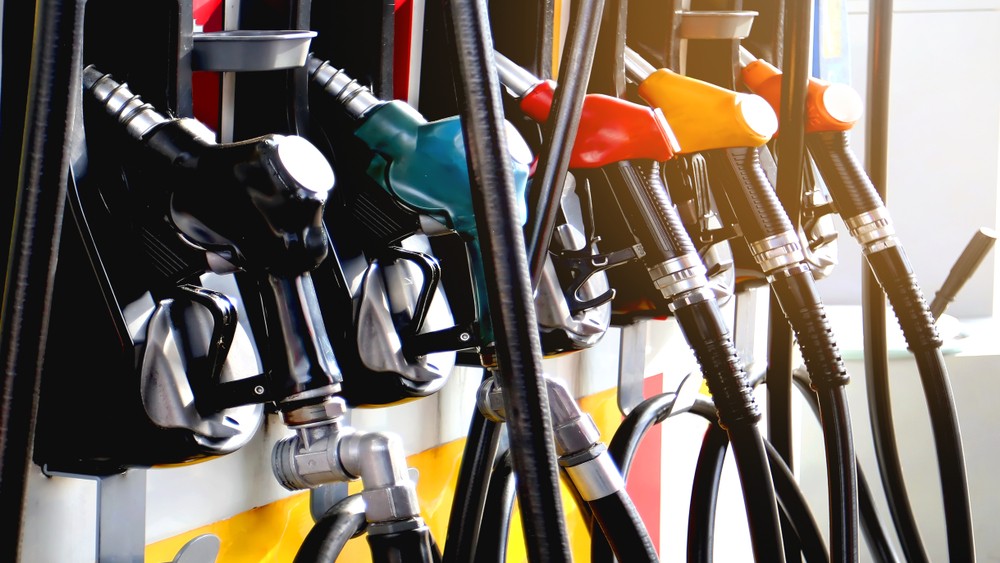
Vice President JD Vance said that keeping oil and gas cheap for Americans is the top priority of the Administration amid the war in Iran, as the U.S.-Iran deadlock persists and the United States has vowed to keep the blockade on Iran indefinitely.
"I know that oil is down today and it's way down from the highs in the early days of the conflict," Vance said on Fox News late on Thursday.
"That's goal number one -- keep oil and gas cheap for Americans all over our country," the vice president said, as Americans are paying the highest gasoline prices this late in any year.
"And then obviously goal number two is ensure that Iran never gets a nuclear weapon," Vance added, in an apparent contradiction to the U.S. top goal stated early in the war that Tehran must never obtain a nuclear weapon.
The sequencing is notable in a country where pump prices are among the most visible costs households track and where gasoline has long been a politically charged benchmark, and it places energy affordability ahead of the nonproliferation aim that framed the conflict at its outset.
Vance's remarks came hours before the United States vowed to ratchet up economic pressure on Iran and said it could keep the naval blockade of Iranian oil exports "indefinitely," according to Reuters.
Iran is one of OPEC's largest oil producers, and a naval blockade takes its exports off a global market that is already contending with a deepening supply shortfall. That is also the channel through which the conflict reaches U.S. drivers: as AAA notes, crude oil costs are what keep pump prices elevated even when demand softens.
Oil prices were headed early on Friday for a 4% weekly gain, as the United States and Iran indicated they are no closer to a peace deal than they were at the start of the war.
Meanwhile, the U.S. national average price of gasoline remained above $4 per gallon this week.
A national average above $4 has historically been rare -- AAA's records show sustained stretches above that mark only in 2008 and 2022 -- which sets the current run apart even within a summer driving season when prices typically firm.
"While gasoline demand is down, crude oil prices are keeping pump prices higher than normal for this time of year," AAA said on Thursday. "So far, this is the highest August on record when it comes to the national gasoline average."
That means Americans have never paid so much for gasoline this late in the year.
"Going back to 2008, the cheapest national average price of gasoline on this calendar day- Aug. 13- was $2.13/gal in 2016, and the most expensive is today, at $4.06/gal," Patrick de Haan, head of petroleum analysis at GasBuddy, said on X on Thursday.
With negotiations stalled and the blockade described as open-ended, the open questions are how long Iranian barrels stay shut out of the market, whether Washington and Tehran move toward talks, and how the daily national average tracked by AAA and GasBuddy reflects the standoff in the weeks ahead.
By Tsvetana Paraskova for Oilprice.com

