Fuel Prices Dominate the Midterm Debate, but Spiking Utility Bills May Be the Difference Maker
Key Takeaways
- •U.S. electricity prices have climbed roughly 40% on average over the past five years, and utilities have requested $23.1 billion in additional rate increases through the first three quarters of 2026, tracking toward 2025's record of nearly $31 billion.
- •Investor-owned utilities have expanded capital expenditure plans by more than 27% to at least $1.4 trillion through 2030, with much of the coming spending directed at new power generation, part of it intended to serve the AI data center boom.
- •Heating oil prices in September were up 74% year over year, while regular gasoline averaged $4.33 per gallon, up 42%, and diesel averaged $6.33 per gallon, up 73%, marking unprecedented October and annual highs.
- •Elections for public utility commissioners, governors, and U.S. senators will influence how pending rate requests are resolved, with nearly half of the $4.5 billion in third-quarter requests originating from southern states and Jersey Central Power & Light filing the largest single request at $700 million.
- •Several states have imposed data center moratoriums or trimmed requested rate hikes, and the White House pushed a non-binding "Ratepayer Protection Pledge" with hyperscalers, while regulators explore utility-scale batteries and virtual power plants to ease grid pressure.
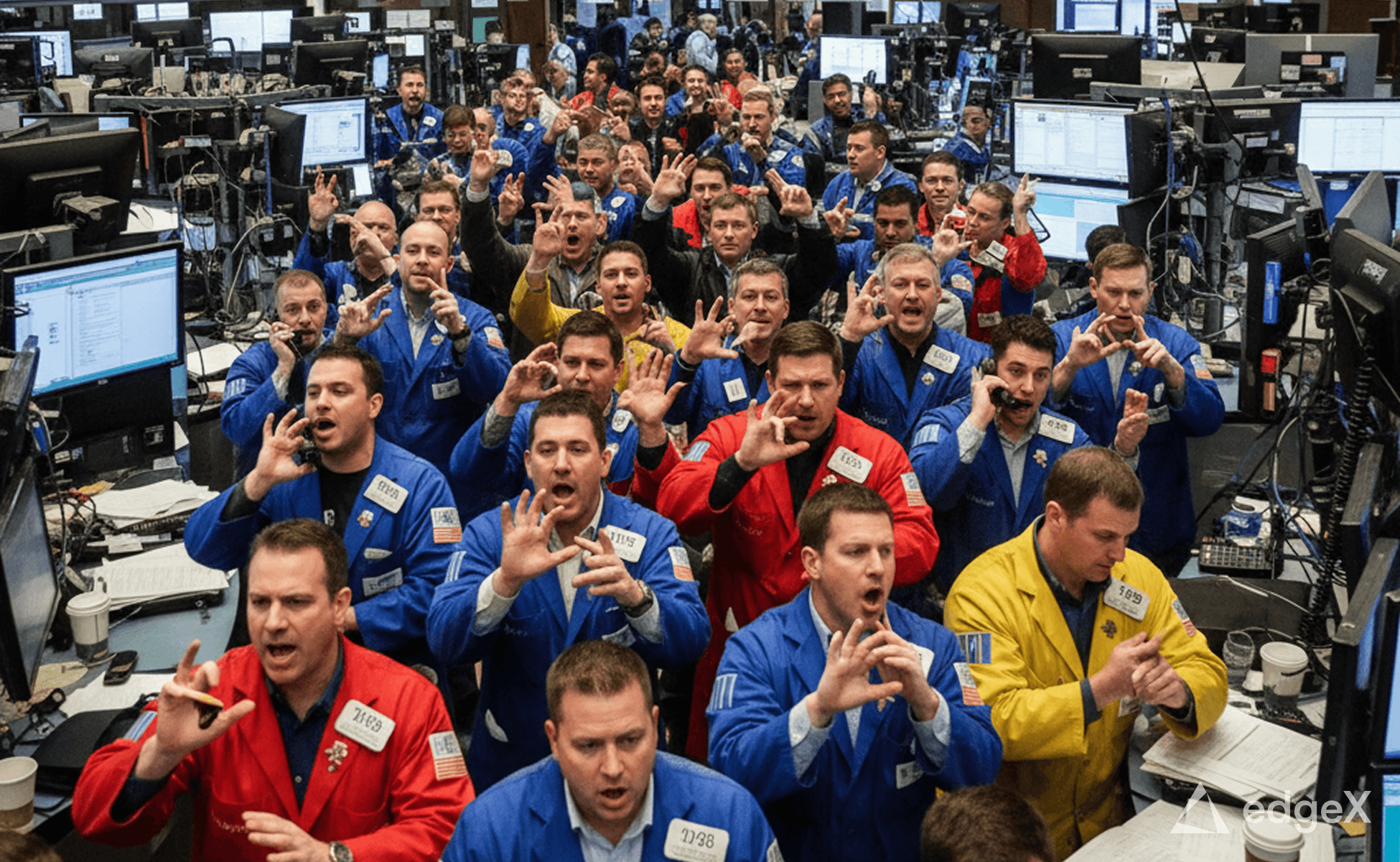
Record-breaking fuel prices, driven by the Iran war and global refinery outages, have dominated the political conversation ahead of November's midterm elections. But skyrocketing utility bills—and the data center boom behind much of the pressure on the grid—are squarely on the ballot as well, and they could tip the balance of power in numerous states and in Congress.
Even before the Iran war began, electricity and natural gas bills were leading the nation in inflation and stoking a backlash against AI and data centers, even though data centers are only partly responsible for rising utility bills in some parts of the country. That uproar has not dissipated, even as fuel prices have captured more headlines in recent weeks. According to Charles Hua, executive director of PowerLines, a nonprofit working to modernize the utility regulatory system, positions ranging from public utility commissioners to U.S. senators and governors now hang in the balance—offices with direct say over how utility costs are reviewed and approved.
"This is no longer a boring, sleepy energy story," Hua said. "I cannot think of another election cycle prior to this 2026 midterm cycle where electricity and utility bills were on the ballot."
"Energy has always been an issue that's animated voters, but primarily on the oil and gas and fuel cost side in terms of what people pay at the pump," he added. "What is new and distinctive about this moment is the way in which electricity is an issue and the way in which utility bills are one of the predominant sources of frustration for energy consumers across the country."
Rising bills, rising spending
Over the past five years, U.S. electricity prices have climbed by roughly 40% on average. Through the first three quarters of 2026, utilities have requested another $23.1 billion in rate increases, putting the year on track to match the record-smashing high of nearly $31 billion set in 2025—a figure that was nearly double the previous record.
Those rate hikes typically track with increased spending. Investor-owned utility companies have raised their capital expenditure plans by more than 27%, to at least $1.4 trillion through 2030, up from $1.1 trillion a year earlier—a total that excludes privately held utilities, according to PowerLines. For regulated utilities, those investments are typically recovered through customer rates over time, which is how multiyear spending plans feed into the rate requests regulators weigh.
While most rate increases in previous years were attributed to an aging grid in need of upgrades, increasingly extreme weather events, and volatile fuel prices, much of the coming spending is aimed at new power generation—part of it intended to serve the AI data center boom.
Data center developers can, in some cases, build their own power behind the meter or cover costs themselves to reduce the impact on ratepayers, though arrangements vary by project and region. Some states have imposed data center moratoriums, while others have rejected or trimmed requested rate hikes. The White House, for its part, pushed for a non-binding "Ratepayer Protection Pledge" with hyperscalers to keep consumer costs down.
"Data centers are putting significant pressure on the grid, and whether or not, in any given electricity market or state, data centers are actually driving up electricity rates is a very nuanced conversation," Hua said. "Regardless of the reality, there certainly is a perception in most, if not all states at this point, that data centers could be driving up utility bills."
All forms of energy rising
Retail gasoline and diesel prices have spiked to new highs this year, though they are not expected to climb substantially higher from here. Utility costs may follow a different path: many rate hikes remain pending, and a harsh winter could trigger further spikes.
The latest consumer price index showed heating oil in September was up 74% from a year ago—nearly double the jump in gasoline—just as residents begin filling their tanks for winter. Heating oil is used primarily by homes in the U.S. Northeast.
"This winter's spike in heating oil prices is going to hit families hard as heating season starts now," said Jamie Van Nostrand, policy director of the Future of Heat Initiative, which advocates for heat pumps. "A typical oil-heated home burns 500 to 700 gallons a year. At today's prices, that's $3,000 to $4,000, or 50% to 75% more than this time last year, landing on households already stretched by higher costs everywhere else."
Motor fuel prices tell a similar story. As of Friday, the average price of a gallon of regular unleaded gasoline stood at $4.33, up 42% from 12 months earlier—the first time gasoline has ever exceeded $4 a gallon in October. The average cost of diesel was $6.33 a gallon, up 73% over the year; diesel had never averaged more than $6 a gallon before this year.
Many consumers are feeling the squeeze from fuel and utility costs simultaneously, Hua said. "People do notice when their gasoline prices are high. There's just a general feeling of malaise and frustration that bills are going up, that they can't afford it, and part of what's new is just the degree to which energy costs are now the greatest in magnitude drivers upwards of prices."
A new political issue
Consumers have little recourse against fuel prices but they can push back against utility rates—particularly through elected officials and the public utility commissions that typically approve rate hike requests. Rate cases unfold in public regulatory proceedings, where customer testimony and comment become part of the record commissioners weigh before ruling. Nearly half of the $4.5 billion in rate hike requests filed in the third quarter came from southern U.S. states, according to PowerLines. The single-biggest quarterly rate request came from Jersey Central Power & Light, which asked regulators for a $700 million increase.
With many of this year's requests still pending, how they are resolved—and by which commissioners—will help shape household bills well beyond Election Day.
Meanwhile, many states and commissions are taking a harder look at how to make better use of existing grid resources—a considerable amount of generated power is never actually used—including utility-scale batteries and virtual power plants, which automatically reduce power usage at times of peak demand, including from data centers. These approaches are, in essence, ways of turning a dumb grid smart.
"Electricity politics are ratcheting up in terms of the pressure point," Hua said. "What was once a boring, sleepy issue where the PUC made decisions more or less in a vacuum is no longer the case. This is now a political issue."
This story was originally featured on Fortune.com.

