Yen Intervention Efforts Stall as USD/JPY Holds Near 157.70
Key Takeaways
- •USD/JPY has stabilized around 157.70 following an unusual direct US intervention in the yen currency market last week.
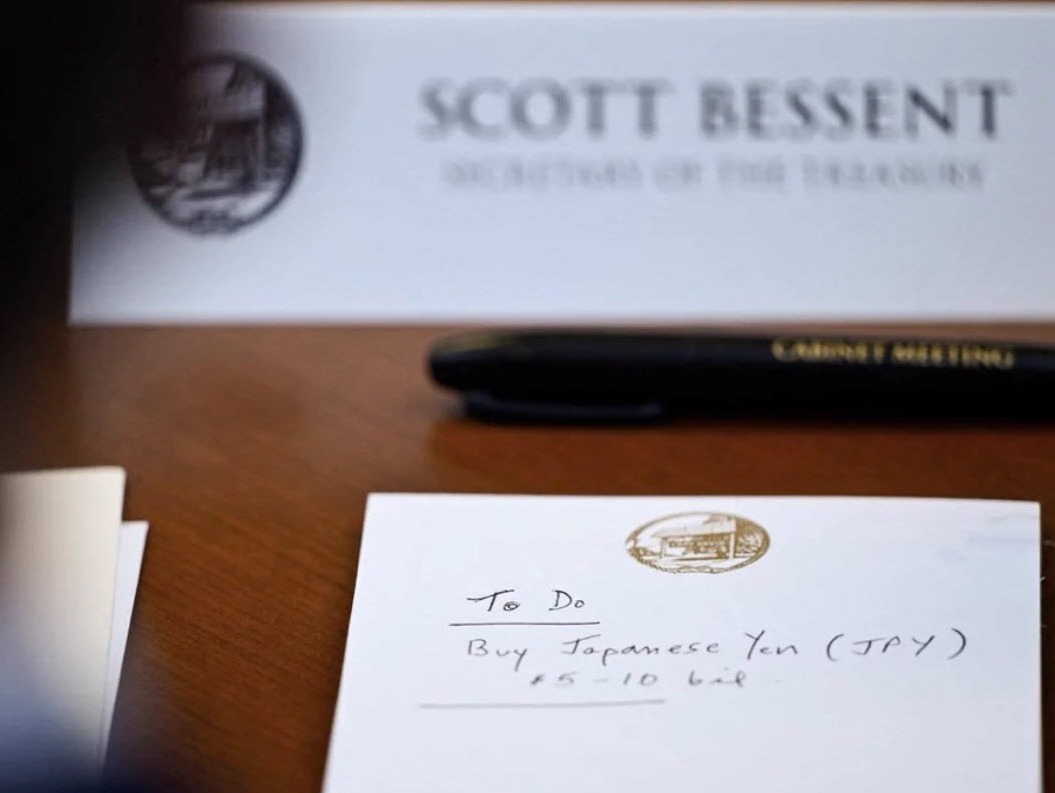
- •Treasury Secretary Scott Bessent signaled the intervention beforehand, a departure from the norm where Japan's Ministry of Finance leads such actions with US involvement typically limited to supportive statements.
- •The Bank of Japan's recent policy vote was not closely contested, and an emergency rate hike at this stage would risk damaging the central bank's credibility.
- •The persistent interest rate differential between Japan and the United States remains a structural driver of yen weakness that currency intervention alone has not addressed.
- •Historically, unilateral yen interventions have had limited lasting effect unless accompanied by a shift in underlying monetary policy fundamentals.
The Japanese yen trade has reached an impasse, with USD/JPY holding steady around 157.70 following recent US intervention efforts.
Treasury Secretary Scott Bessent reportedly signaled upcoming yen intervention last week before US authorities followed through with action later in the same day. The rationale for the advance signal remains unclear, and market participants appear uncertain about how to position themselves going forward. The signal itself was unusual: direct US participation in yen intervention is rare, as currency intervention has historically been led by Japan's Ministry of Finance, with US involvement typically limited to statements of support rather than coordinated action.
Questions persist about whether a coordinated plan exists to push USD/JPY meaningfully lower, or whether the US approach is being formulated on an ad hoc basis. The pair had approached the 160 level in recent weeks, a zone where Japanese authorities previously intervened in 2024, underscoring the sensitivity of that threshold for policymakers.
For now, the yen trade has stagnated. Speculation about a potential Bank of Japan rate hike has circulated, but the BOJ's vote last week was not particularly close, and an emergency hike at this stage would risk damaging the central bank's credibility. The BOJ continues to maintain its policy rate at a level far below the US Federal Reserve's target range, leaving the substantial interest rate gap between the two economies intact—a structural factor that has sustained yen weakness over the past two years.
At the same time, if US authorities step back from intervention now, it could invite a fresh wave of USD/JPY buying, potentially returning the pair to levels seen before the intervention. Historically, unilateral yen intervention has had limited lasting effect unless accompanied by a shift in monetary policy fundamentals.
The yen market now joins a list of markets that observers have characterized as subject to political influence under the current administration, alongside oil and shares of Intel, among others.

