US Oil Drillers Add Rigs as Total Rig Count Holds Steady at 588
Key Takeaways
- •The total US oil and gas rig count remained unchanged at 588 this week, marking a year-over-year increase of 49 rigs.
- •Oil-directed rigs increased by three to 454 while natural gas rigs fell by three to 124, and miscellaneous rigs held at 10.
- •US crude oil production rose slightly to 13.804 million barrels per day, approximately 520,000 bpd higher than a year ago.
- •The Permian Basin added three rigs to reach 263, while the Eagle Ford count stayed flat at 49.
- •Brent crude and WTI both advanced on Friday to $83.55 and $78.21 per barrel respectively, though Brent remained roughly $6 lower than a week earlier.
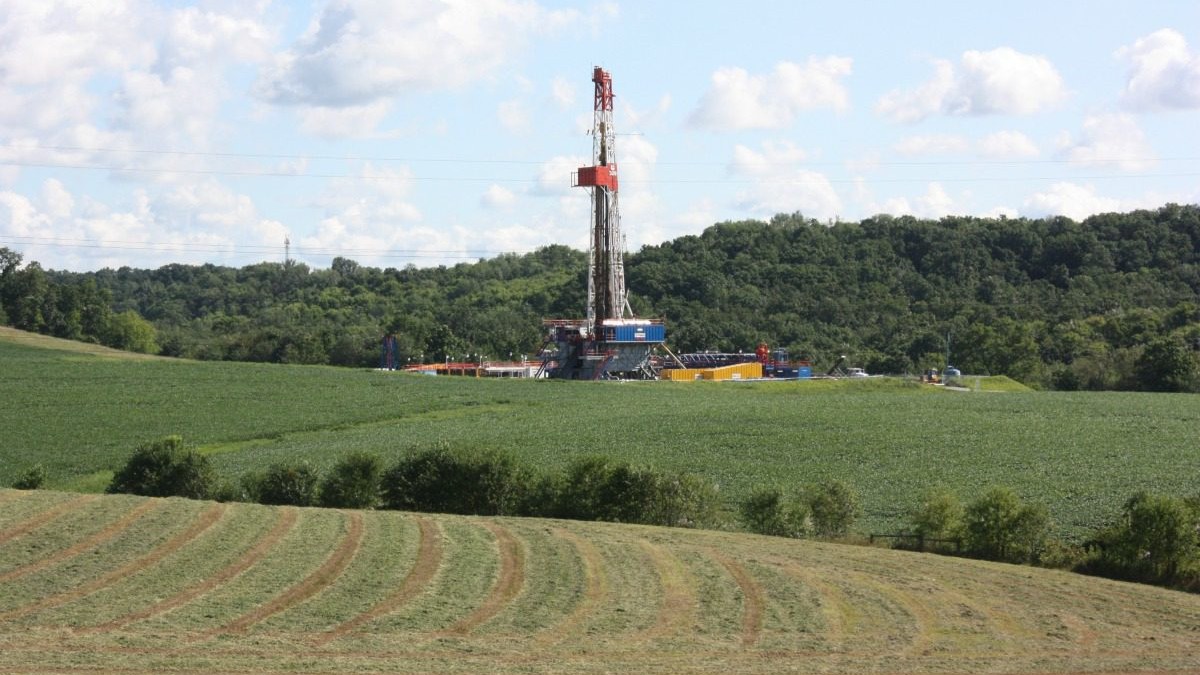
The total number of active oil and gas drilling rigs in the United States remained unchanged this week at 588, according to data published by Baker Hughes on Friday. The total count is up 49 rigs compared to the same period last year. The weekly rig tally is widely tracked as a near-term indicator of upstream spending and future production trends, though efficiency gains in shale drilling have increasingly decoupled rig counts from actual output growth.
Active oil-directed rigs rose by 3 to 454 during the latest reporting period, marking a year-over-year increase of 43. Natural gas rigs declined by 3 to 124, still 1 higher than a year ago. Miscellaneous rigs held steady at 10.
The latest data from the U.S. Energy Information Administration (EIA) showed that domestic crude oil production rebounded slightly during the week ending July 31. U.S. crude output averaged 13.804 million barrels per day, up from 13.796 million bpd the prior week and 520,000 bpd higher than a year ago. The United States remains the world's largest crude oil producer, and output near these levels is consistent with the record-setting range the EIA has reported in recent months.
Primary Vision's Frac Spread Count, which estimates the number of crews completing wells, fell by 4 to 194 crews in the week ending July 31, following a gain of 2 in the previous week. Because frac spreads reflect well completion activity rather than drilling, the metric is often viewed as a more immediate signal of new supply coming online.
Among major shale basins, the Permian Basin — the most prolific U.S. oil-producing region, spanning West Texas and southeastern New Mexico — added 3 rigs, bringing its total to 263, 7 more than year-ago levels. The Eagle Ford rig count remained flat at 49, representing an increase of 11 compared to the same time last year.
Oil prices advanced on Friday, with Brent crude trading at $83.55 per barrel, up 1.29% on the day. However, Brent remained approximately $6 lower per barrel than a week earlier. West Texas Intermediate (WTI) also moved higher, trading at $78.21, up 1.19%.
By Julianne Geiger for Oilprice.com

