US Oil and Gas Rig Count Falls to 588 as Oil Prices Rise
Key Takeaways
- •The total U.S. rig count fell to 588 this week, remaining 50 rigs higher than at the same time last year.
- •Oil rigs declined by 3 to 452 and gas rigs dropped by 1 to 127, while U.S. crude production rose to 13.830 million barrels per day for the week ending August 14.
- •The Permian Basin rig count rose by 2 to 267 and the Eagle Ford count increased by 1 to 50, with both basins above year-ago levels.
- •Primary Vision's frac spread count fell by 3 to 193 crews in the week ending August 14, after gaining 2 the prior week.
- •Brent crude traded at $94.23 per barrel, up 0.48% on the day and nearly $7 per barrel higher than a week earlier.
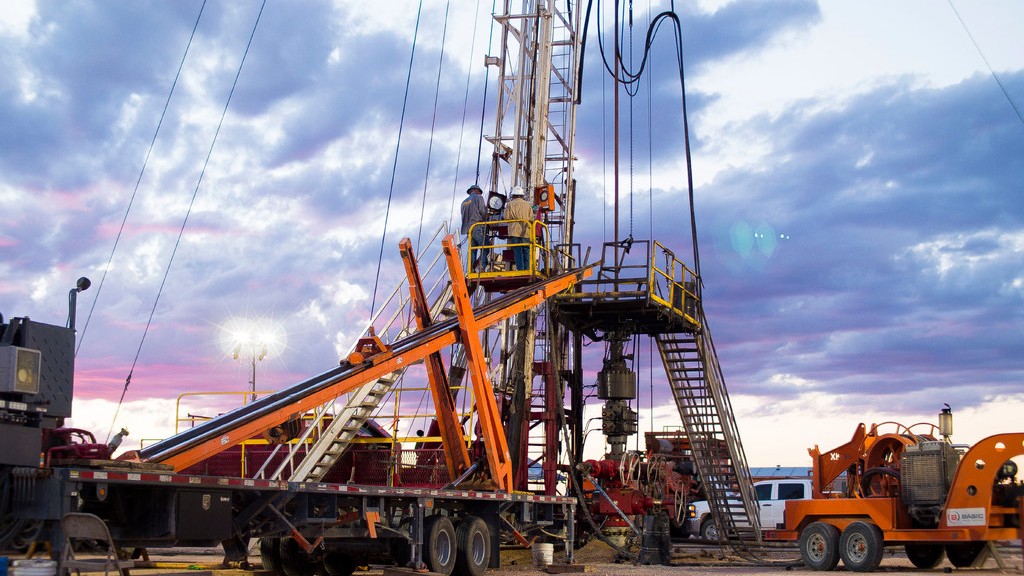
The total number of active drilling rigs for oil and gas in the United States fell this week, according to new data published on Friday by Baker Hughes, with the nationwide rig count dropping to 588 — a figure that remains 50 rigs higher than at the same time last year. The weekly tally, released each Friday, is one of the most closely watched barometers of U.S. upstream activity and a standard early gauge of future oil and gas supply, since changes in drilling tend to show up in production with a lag.
The number of active oil rigs declined by 3, sinking to 452 during the latest reporting period, a level that stands 41 rigs above year-ago figures. The number of gas rigs fell by 1 to 127, which is 5 more than at this point last year, while miscellaneous rigs slipped by 1 to 9.
The weekly decline in drilling activity came alongside rising output. The latest data from the U.S. Energy Information Administration (EIA) showed that weekly U.S. crude oil production rose during the week ending August 14, with production averaging 13.830 million barrels per day — up from 13.805 million bpd in the prior week and 503,000 bpd higher than a year ago. The gap between fewer rigs and growing output echoes a broader trend in the U.S. shale patch since the 2020 downturn: producers have emphasized capital discipline and efficiency gains, and EIA productivity data has tracked rising oil recovery per rig even as overall counts drift lower.
Primary Vision's Frac Spread Count, an estimate of the number of crews completing wells, fell by 3 in the week ending August 14, to 193 crews, after gaining 2 in the week prior. Because frac spreads track completions — the step that turns drilled wells into producing ones — they are often read as a nearer-term signal of new supply reaching the market than the rig count itself.
At the basin level, the number of active drilling rigs in the Permian Basin — the country's largest oil-producing region — rose by 2 over the reporting period, hitting 267 — 12 rigs above year-ago levels. The rig count in the Eagle Ford increased by 1 to 50, which is 11 more than at the same time last year.
Oil prices were up on Friday, with Brent crude trading at $94.23 per barrel, up 0.48% on the day and nearly $7 per barrel higher than at this point last week. WTI was also trading higher, at $86.92 per barrel, up 0.10%. Firmer crude generally strengthens the economics of new drilling, though U.S. producers have shown restraint in translating higher prices directly into expanded activity in the post-2020 era of spending discipline. The next rounds of Baker Hughes and EIA weekly data will indicate whether the pullback in rigs persists.
By Julianne Geiger for Oilprice.com

