U.S.-Venezuela Oil Deal Threatens China's Oil-Backed Loans
Key Takeaways
- •NABEP received 100-year rights over 17 Venezuelan fields with an estimated 65 billion barrels of proven reserves, about one-fifth of the country's total.
- •The U.S. government would hold a 35% stake in NABEP's corporate parent and could purchase 20% of production at cost with first refusal on the remaining output.
- •Several fields transferred to NABEP were previously operated or targeted by Chinese companies including CNPC, Sinopec, and China Concord Resources.
- •Analysts estimate Venezuela still owes Chinese lenders at least $10 billion from roughly $60 billion in oil-backed loans, and the new arrangement reduces barrels available to service that debt.
- •China buys an estimated 50-89% of Venezuela's oil exports, and losing discounted barrels would squeeze margins at Chinese independent refiners.
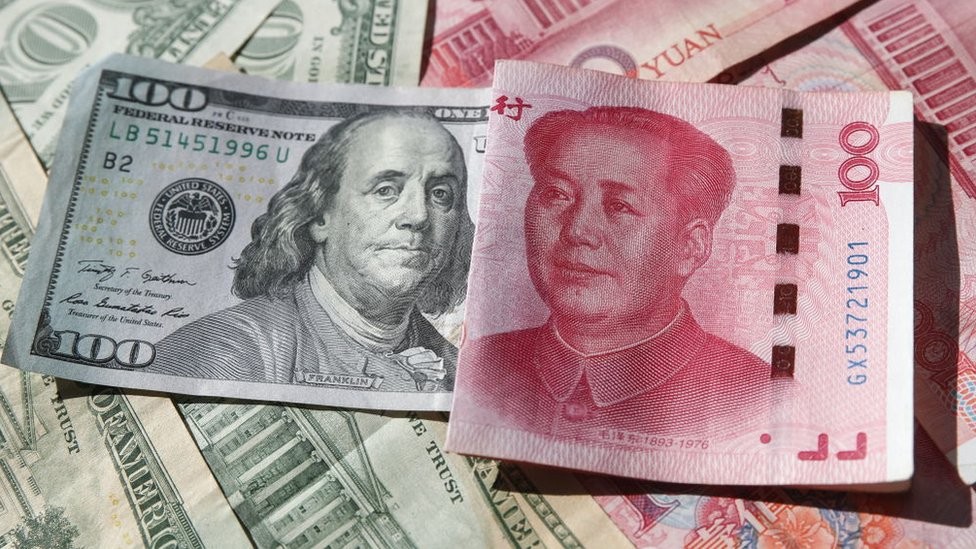
For decades, Venezuela has stood as one of China's most important partners in Latin America and the single largest recipient of Chinese government funds in the region. The relationship dates to the era of Hugo Chávez, who aligned Caracas with Beijing while distancing it from Washington, and deepened under his successor Nicolás Maduro. Beijing has lent Caracas tens of billions of dollars, accepting oil shipments as repayment. Chinese policy banks provided at least $60 billion in oil-backed financing through 2015, while broader estimates of Chinese lending and investment commitments exceed $100 billion. Analysts estimate that Caracas still owes Chinese lenders at least $10 billion.
Recovering that money was never going to be straightforward, but the Trump administration's new arrangement for Venezuelan oil will make it even harder for Beijing, because a sizable share of the country's future oil production will now sit under the control of U.S.-aligned interests. Venezuela holds the world's largest proven oil reserves—more than 300 billion barrels—so control over even a fraction of that resource carries long-term weight for any great-power rivalry over energy flows.
Last week's multibillion-dollar agreement with North American Blue Energy Partners (NABEP) to expand production and commercialize Venezuela's enormous petroleum reserves covers fields previously operated or pursued by Chinese companies and a Russian firm.
NABEP, formerly owned by U.S. oil tycoon Harry Sargeant and now controlled by Venezuelan businessman Alejandro Betancourt, says it plans to invest as much as $100 billion in Venezuelan oil infrastructure.
According to the White House and NABEP, the company has received 100-year rights over 17 fields in the Lake Maracaibo region and the Orinoco Belt. Those fields hold an estimated 65 billion barrels of proven reserves—roughly one-fifth of Venezuela's total. Under the arrangement, the U.S. government would hold rights to a 35% stake in NABEP's corporate parent and access to 20% of its production at cost, with a right of first refusal on the remaining output. NABEP says the development could generate more than $200 billion in taxes and royalties for Venezuela over its first 25 years.
The concessions shift fields previously operated or pursued by Chinese companies into the hands of a U.S.-backed producer, cutting into access that Beijing spent two decades financing.
Several of the projects now folded into the NABEP portfolio were previously operated or targeted for development by Chinese companies, including China National Petroleum Corp., Sinopec, and China Concord Resources. Their displacement threatens Beijing's upstream investments and weakens its ability to influence how Venezuelan barrels are produced, priced, marketed, and used to settle debts. NABEP will control production from the transferred fields, while the U.S. State Department can buy 20% of the output at cost and holds first refusal on the remaining 80%—leaving Chinese refiners and lenders without guaranteed access to those barrels.
Chinese policy banks extended roughly $60 billion to Venezuela through 17 loan contracts that were to be repaid with oil shipments. That debt remains the obligation of the Venezuelan state regardless of who operates the fields. NABEP's control over the newly awarded production does not erase the debt, but it does change how it might be repaid. With the State Department able to purchase 20% of output at cost and claim first refusal on the other 80%, the barrels Caracas can direct toward Chinese lenders and refiners are reduced.
Chinese Foreign Ministry spokesman Guo Jiakun said China's economic cooperation with Venezuela was protected by international law and insisted that "China's lawful rights and interests in Venezuela must be protected." In practice, however, Beijing would face a long, litigious battle to reverse the transfer.
China purchases an estimated 50-89% of Venezuela's oil exports, much of it at discounts through independent refineries running on thin margins. That trade grew substantially after Washington imposed sweeping sanctions on Venezuela's oil sector beginning in 2017 and tightened them in 2019, measures that pushed Caracas to lean harder on discounted sales to Chinese buyers. Traders concealed the cargoes through ship-to-ship transfers, shadow-fleet tankers, and documents identifying the crude as Malaysian or Brazilian, with most transactions settled in renminbi.
Venezuelan crude accounts for roughly 4 to 4.5% of China's seaborne oil imports. Chinese refiners could replace it with heavy grades from Iran, Iraq, or Canada, though at higher prices. The real loss lies in refinery margins, because discounted Venezuelan barrels allowed Chinese teapot refiners to remain profitable despite weak domestic fuel demand and excess refining capacity.
Since 2020, between 50,000 and 100,000 bpd have been allocated to servicing Venezuela's Chinese debt. Chinese refiners and banks now find themselves competing for barrels whose sale passes through a company partly owned by the U.S. government.
Beijing's losses, therefore, would be threefold: financial, commercial, and geopolitical. Chinese lenders could face a longer and more uncertain path to repayment, teapot refiners could lose access to deeply discounted heavy crude, and Chinese oil companies could be shut out of fields they spent years cultivating. Meanwhile, Washington gains influence over a petroleum system that China once appeared positioned to dominate. How the arrangement is implemented, and whether Caracas honors its outstanding oil-supply obligations to Beijing while redirecting production toward U.S.-aligned channels, will shape the next phase of the contest over Venezuela's crude.
For Beijing, the deepest damage may be to the premise underpinning its entire Venezuelan strategy: that large loans, infrastructure investment, and diplomatic support would secure enduring access to resources and political loyalty.
By Charles Kennedy for Oilprice.com
