U.S. Diesel Prices Hit All-Time High as Global Fuel Squeeze Deepens
Key Takeaways
- •The U.S. national average diesel price reached a record $5.820 per gallon, surpassing the previous all-time high of $5.819 set on June 17, 2022.
- •Supply disruptions from the Iran and Ukraine wars, including Russia's diesel export ban and lost flows through the Strait of Hormuz, have tightened global diesel markets.
- •Middle distillate refining cracks hit record highs this week, indicating the bottleneck lies in refining capacity rather than crude supply alone.
- •Record diesel prices are expected to feed into freight, agricultural, and heating costs, raising inflation concerns relevant to the Federal Reserve's interest rate path.
- •The national average gasoline price of $4.125 per gallon is set to make this the most expensive Labor Day weekend on record, costing Americans about $1.39 billion more than last year.
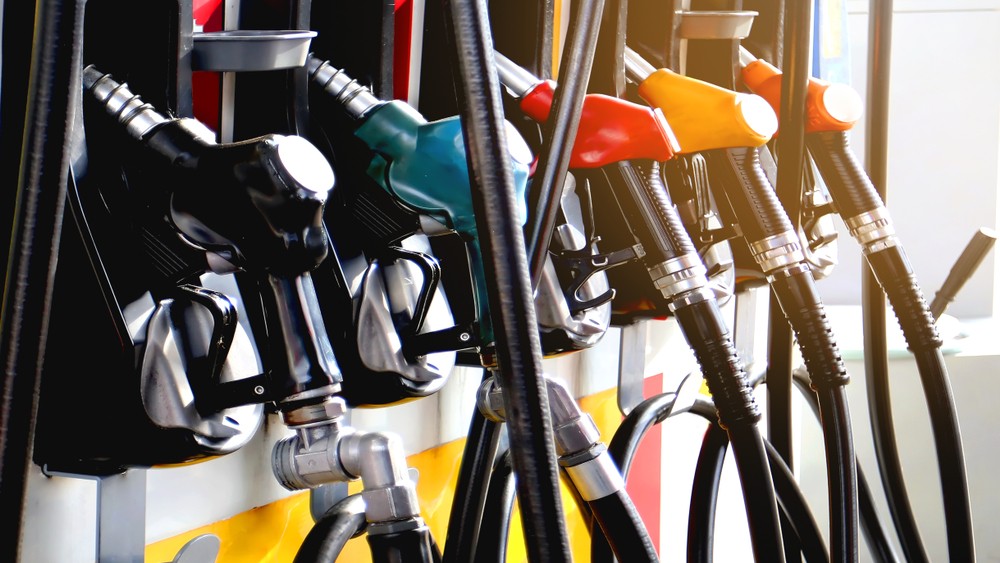
The average U.S. diesel price hit a record high late on Thursday, surpassing the previous all-time high set in 2022, as the Middle East crisis tightened fuel markets around the world and drove prices sharply higher over the summer.
As of Thursday afternoon, the live U.S. national average diesel price set a new record of $5.820 per gallon, according to GasBuddy data. That average has now exceeded the previous daily all-time high of $5.819 per gallon, recorded on June 17, 2022, said Patrick De Haan, head of petroleum analysis at GasBuddy (https://x.com/GasBuddyGuy/status/2095581368243634511). The 2022 record was itself set during the supply shock that followed Russia's invasion of Ukraine, underscoring how the current crisis has compounded, rather than replaced, lingering tightness in distillate markets.
Record-high diesel prices raise significant concerns for the U.S. economy and the Federal Reserve's interest rate path, given that diesel is essential to economic growth and feeds into the prices of goods. Because diesel powers most freight trucks, agricultural machinery, and a significant share of U.S. home heating in the Northeast, sustained record prices feed through shipping and production costs into consumer inflation. Demand for diesel is also expected to rise further in the coming weeks and months, with the farmers' harvest season underway and retailers entering the holiday season, requiring more trucking to stock up for the holidays.
Diesel markets in the United States and globally have tightened severely in recent weeks, as fuel supply from the Middle East and Russia has been crippled by the Iran and Ukraine wars, seasonal demand has risen with the harvest, and capacity elsewhere has been insufficient to offset lost diesel flows from the Strait of Hormuz and Russia.
The re-escalation in the Middle East, combined with Russia's ban on diesel exports amid incessant Ukrainian drone attacks on its refineries, pushed middle distillate cracks — the refining margin earned on producing diesel and related fuels over crude oil — to record highs this week. Elevated cracks signal that the constraint lies not just in crude supply but in refining capacity for middle distillates, a bottleneck that has persisted since several Western refineries closed or converted capacity in the years after the pandemic. U.S. diesel prices have been rallying all week and have now reached an all-time high — a milestone analysts, including GasBuddy, had expected before Labor Day.
Meanwhile, the national average price of gasoline stands at $4.125 per gallon, per GasBuddy live data — 92 cents above Labor Day 2025 and on track for the most expensive nominal gasoline price ever recorded for a Labor Day weekend. This Labor Day weekend will cost Americans approximately $1.39 billion more in gasoline spending compared with last year, GasBuddy's De Haan said. With harvest demand and holiday restocking still ahead, and export flows from the Middle East and Russia remaining disrupted, the squeeze on diesel supplies — and the pressures it places on freight costs and consumer prices — is set to remain a focal point for markets and policymakers in the weeks ahead.
By Tsvetana Paraskova for Oilprice.com
