US Crude and Product Inventories Build Across the Board, EIA Data Shows
Key Takeaways
- •U.S. crude oil inventories rose by 2.0 million barrels for the week ending July 17, reaching 411.7 million barrels, which is approximately 6% below the five-year seasonal average.
- •The EIA's official inventory build was smaller than the API's prior-day estimate of a 2.603 million barrel increase for the same period.
- •Total U.S. oil consumption, measured by products supplied, averaged 20.4 million barrels per day over the preceding four weeks, representing a 1% year-over-year decline.
- •Distillate inventories increased by 1.4 million barrels but remained roughly 10% below the five-year average, keeping that category tighter than normal.
- •Brent crude rose 2.56% to $93.34 per barrel and WTI gained 2.34% to $86.31, supported partly by the absence of a U.S.-Iran agreement restoring normal Strait of Hormuz shipping.
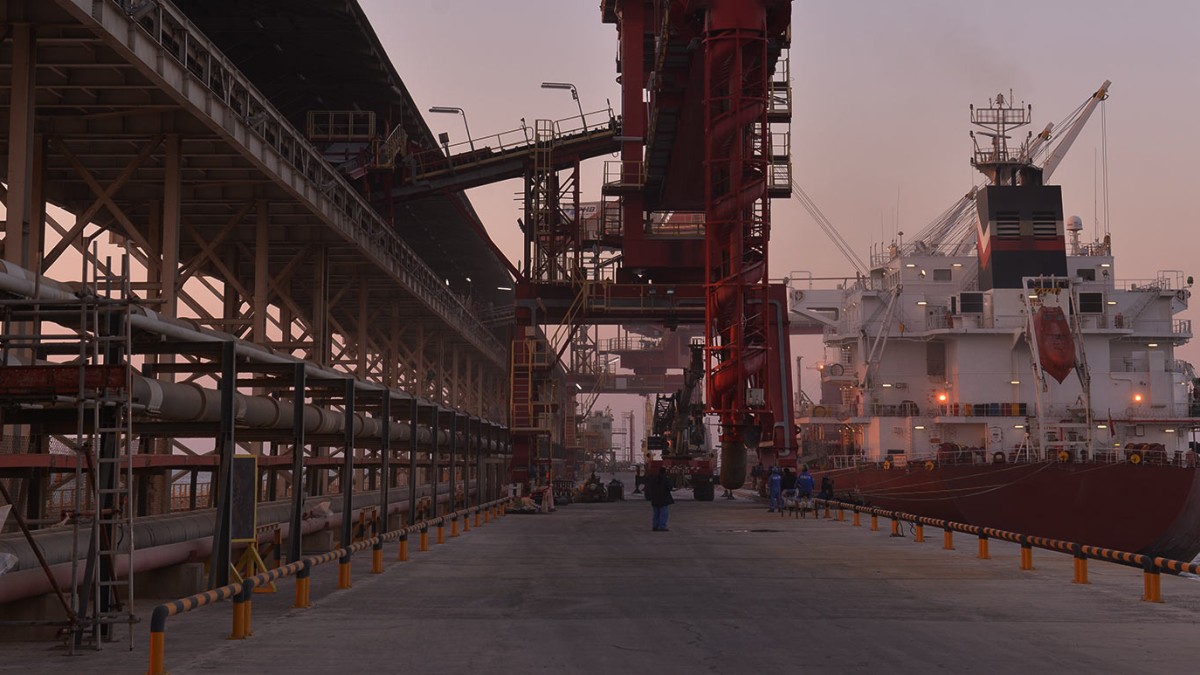
U.S. crude oil inventories rose by 2.0 million barrels during the week ending July 17, according to data released on Wednesday by the U.S. Energy Information Administration (EIA). The build lifted commercial crude stockpiles to 411.7 million barrels, a level that sits approximately 6% below the five-year average for this time of year.
The EIA figures follow estimates published a day earlier by the American Petroleum Institute (API), which had reported a crude inventory increase of 2.603 million barrels for the same period. The EIA’s weekly petroleum status report is closely watched because it provides the official government snapshot of U.S. crude and refined product balances, while the API report is an industry estimate released ahead of the government data.
On the demand side, total products supplied—a widely used proxy for U.S. oil consumption—averaged 20.4 million barrels per day over the preceding four-week window, representing a 1% decline compared with the same period a year earlier. Gasoline demand over the same four weeks averaged 8.9 million barrels per day, while the distillate four-week supply average came in at 3.7 million barrels per day, up 2.2% year over year.
Motor gasoline inventories posted a build of 800,000 barrels, a reversal from the prior week's draw of 1.5 million barrels. Average daily gasoline production rose to 9.7 million barrels. Middle distillate stocks also increased, by 1.4 million barrels, with daily production climbing to an average of 5.3 million barrels. Distillate inventories now stand roughly 10% below the five-year seasonal average, keeping that category tighter than normal even after the weekly increase.
Crude futures were trading higher on Wednesday morning, supported in part by the continued absence of an agreement between Iran and the United States that would restore normal shipping through the Strait of Hormuz. As of 9:52 a.m. in New York, Brent crude was trading at $93.34 per barrel, up $2.33 (+2.56%) on the day and approximately $9 per barrel above its level at the same point a week earlier. West Texas Intermediate (WTI) was also trading higher, gaining $1.97 per barrel (+2.34%) to reach $86.31.
By Julianne Geiger for Oilprice.com

