Iran's Oil Exports Halted as US Naval Blockade Shuts Down Kharg Island
Key Takeaways
- •A US naval blockade has kept tanker loadings at Kharg Island at zero since July 31, halting approximately 95% of Iran's seaborne crude exports.
- •During the first blockade phase from April to June 2026, Iranian crude exports dropped from nearly 2 million barrels per day to below 300,000 bpd before an interim agreement temporarily allowed some shipments to resume.
- •Iran is expected to curtail crude production as onshore and floating storage nears capacity, a measure that could damage reservoirs and reduce long-term output potential.
- •Asian buyers that relied on discounted Iranian crude, with China historically the largest destination, are now compelled to seek alternative supply sources.
- •The removal of approximately 2 million barrels per day of Iranian supply from the market is tightening an already constrained global balance and creating pricing uncertainty for energy traders.
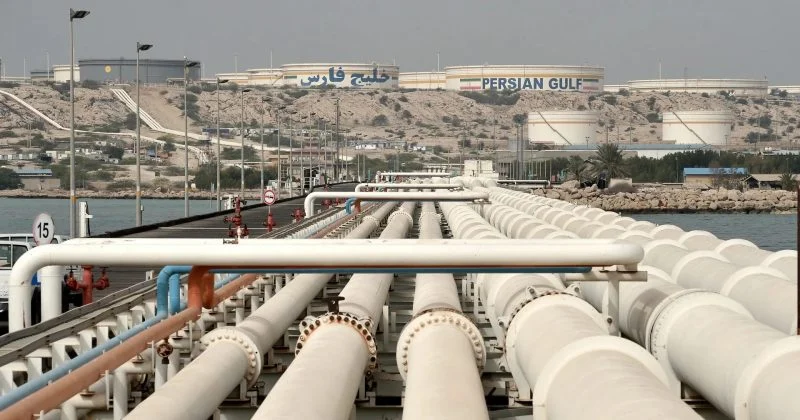
Iran's oil exports have come to a complete standstill at Kharg Island, the terminal handling approximately 95% of the country's seaborne crude shipments. Located in the northern Persian Gulf, Kharg Island is Iran's most critical oil export infrastructure and one of the largest single-point crude loading facilities in the Middle East. A reimposed US naval blockade has kept tanker loadings at zero since July 31, representing one of the most extended operational disruptions at the facility since the US-Iran conflict intensified earlier this year.
Satellite imagery from Windward, along with shipping data monitored by Kpler and Energy Aspects, confirms that all three deepwater loading berths at Kharg Island remain empty. Maritime activity around the terminal has fallen to its lowest level in months.
A Blockade with Precedent
The US Navy has previously choked off Kharg Island. The initial blockade phase spanned from April through June 2026. During that period, Iranian crude and condensate exports plummeted from nearly 2 million barrels per day to below 300,000 bpd by May, according to Kpler data. At certain points during the first phase, tracking services indicated that Iranian crude exports had dropped to zero.
An interim agreement temporarily eased the pressure and allowed some exports to resume. That agreement collapsed in mid-July, and the blockade was reinstated almost immediately.
Iranian forces have engaged directly with US Navy vessels attempting to enforce the blockade. International shipping lanes in the region, including traffic near the Strait of Hormuz — through which roughly a fifth of global oil consumption transits daily — have grown increasingly difficult to navigate, with commercial vessels avoiding potential flashpoints.
Storage Constraints Mounting
Industry analysts indicate that Iran is likely to begin curtailing crude production as onshore and floating storage capacity reaches capacity. Once storage tanks are full, wells must be shut in — a process that can damage reservoirs and diminish long-term production potential. Iran's onshore storage infrastructure is concentrated around Kharg Island and the continental shelf, meaning the blockade directly constrains the primary receiving points for crude awaiting shipment.
Implications for Global Oil Markets
The removal of nearly 2 million barrels per day of potential supply from the market is forcing a recalculation across the global oil trade. Iran ranks among OPEC's top three producers by capacity, and its absence from the export market tightens an already constrained global supply balance. Asian buyers that previously depended on discounted Iranian crude, often shipped through complex intermediary arrangements, are now compelled to seek alternative sources. China has historically been the largest destination for Iranian barrels, with much of that trade conducted through informal or opaque channels that sanctions have targeted for years.
For energy traders, the blockade presents dual uncertainty. The supply reduction itself exerts upward pressure on prices, while the possibility of a diplomatic resolution introduces downside risk to any bullish positioning.
The first blockade phase lasted approximately two months before the interim agreement provided temporary relief. With that agreement now dissolved, market participants are pricing in the likelihood that this second phase could endure longer, particularly given the military confrontations accompanying enforcement efforts.

