Ukraine Agrees Safe Passage for Kazakh Crude Tankers at Novorossiysk Following US Intervention
Key Takeaways
- •Ukraine agreed to stop attacking non-Russian tankers and infrastructure linked to Kazakhstan's Black Sea oil exports after the United States intervened.
- •The agreement covers vessels at the CPC terminal near Novorossiysk that are not Russian-owned, not carrying Russian-origin cargo, and not sanctioned by Ukraine.
- •The CPC pipeline transports approximately 2 percent of global oil supply and carries the majority of Kazakhstan's crude exports across Russian territory to the Black Sea.
- •Chevron CEO Mike Wirth raised concerns directly with the Trump administration as the attacks threatened the company's Kazakh operations, leading Washington to caution Kyiv.
- •Ukraine has escalated its campaign against Russia-linked shipping throughout the summer, claiming hundreds of strikes on vessels across the Black Sea and the Sea of Azov.
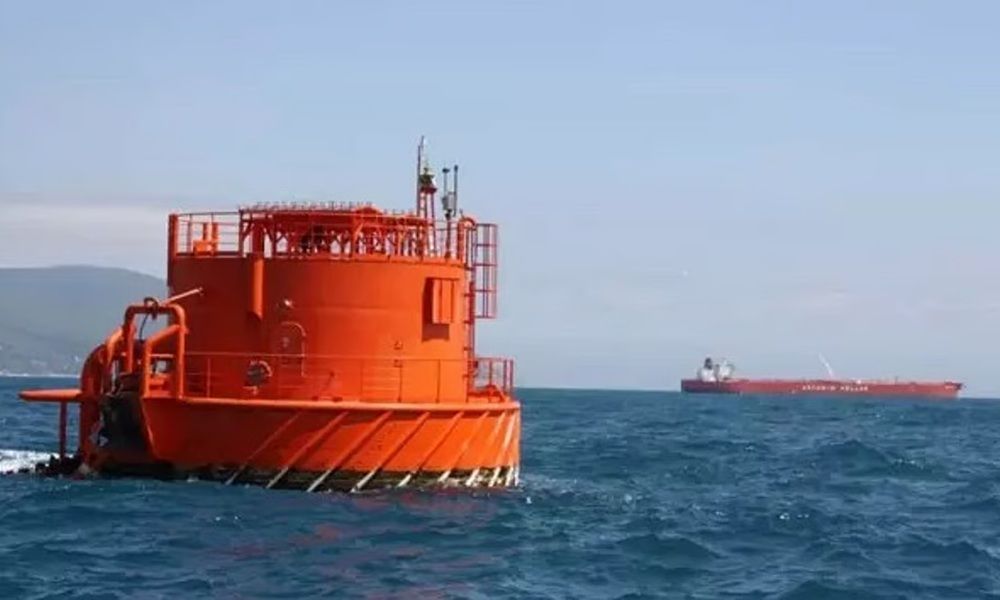
Ukraine has agreed to cease attacks on non-Russian tankers and infrastructure linked to Kazakhstan's Black Sea oil exports, following intervention by the United States. The agreement could ease one of the most significant emerging war-related risks for the tanker market, where disruptions at key export nodes have already contributed to elevated freight rates and insurance premiums for Black Sea transit.
The accord applies to vessels calling at the Caspian Pipeline Consortium (CPC) terminal near the Russian port of Novorossiysk, on the condition that the ships are not sanctioned by Ukraine, are not carrying Russian-origin cargoes, and are not Russian-owned. Kyiv has additionally established contact points to allow commercial operators to exchange information and coordinate safer transit to and from the terminal.
The decision follows weeks of growing concern after Ukrainian drones struck tankers operating near Novorossiysk, disrupting loadings and making shipowners increasingly reluctant to commit vessels to CPC cargo assignments.
The CPC pipeline system transports crude oil from Kazakhstan's major Tengiz, Kashagan, and Karachaganak fields across Russian territory to the Black Sea coast. It handles approximately 2% of global oil supply and carries the majority of Kazakhstan's crude exports, making it a critical artery for international energy markets and a chokepoint that has periodically roiled prices when throughput has been interrupted by storms or technical outages. Chevron holds a 15% stake in the pipeline and a 50% interest in the Tengiz field.
Chevron Chief Executive Mike Wirth raised concerns directly with the Trump administration as the attacks increasingly threatened the company's Kazakh operations. Washington subsequently cautioned Kyiv against targeting non-Russian commercial vessels using the terminal.
Kazakhstan had already begun exploring alternative export routes, including expanded rail shipments through Georgia, though none of these options can match the scale and throughput capacity of the CPC pipeline.
The arrangement underscores a persistent tension in the conflict: Ukraine's strategy of broadening pressure on Russia's logistical and economic infrastructure periodically collides with the energy security interests of Western governments and major oil companies operating in the region.
Ukraine has significantly escalated its campaign against Russia-linked shipping throughout the summer, claiming to have carried out hundreds of strikes on vessels across the Black Sea and the Sea of Azov.
Source: Splash247

