UK North Sea Decommissioning Spending Reaches Record High of £2.6 Billion in 2025
Key Takeaways
- •UK North Sea decommissioning spending reached a record £2.6 billion ($3.5 billion) in 2025, with well decommissioning alone accounting for approximately £1.3 billion ($1.75 billion).
- •Roughly 500 wells remain in backlog awaiting final abandonment, and over 1,000 additional wells are forecast for decommissioning over the next five years.
- •Decommissioning expenditure is projected to exceed capital expenditure beginning in 2029 as the UK North Sea basin matures and new project approvals decline.
- •The UK Energy Profits Levy raised the effective tax rate on oil and gas producers to 75%, contributing to a reduced pipeline of new field developments.
- •Under existing UK tax rules, operators can claim relief on decommissioning costs against prior profits, meaning taxpayers shoulder a significant portion of the total bill.
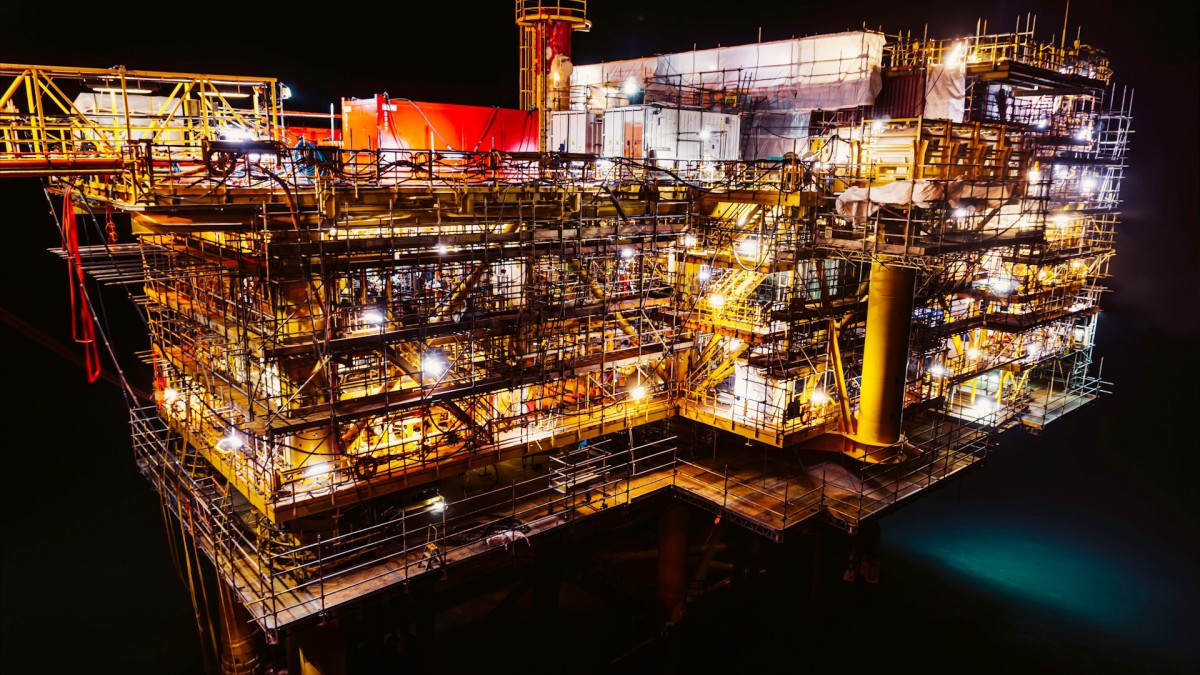
Decommissioning remained a major activity across the UK North Sea in 2025, with industry spending reaching a record high of £2.6 billion ($3.5 billion), according to a report published Thursday by the North Sea Transition Authority (NSTA), the UK's offshore oil and gas regulator. The figures underscore the ongoing shift in one of the world's most mature offshore basins — first developed in the 1970s — from production toward plug-and-abandonment and infrastructure removal.
The NSTA released the figures in its annual decommissioning cost and performance update, which tracks expenditure and progress across the UK Continental Shelf (UKCS).
Well decommissioning continues to be the single largest component of forecast decommissioning expenditure on the UKCS, accounting for approximately half of expected costs through 2032. The UK North Sea currently has a backlog of roughly 500 wells awaiting decommissioning and final abandonment, prompting the regulator to urge operators to accelerate well closure and abandonment activity.
In 2025, operators spent approximately £1.3 billion ($1.75 billion) on well decommissioning alone, with work carried out on more than 250 wells and over 100 reaching final abandonment status.
"While this represents an increase in activity, a backlog of approximately 500 wells awaiting final abandonment remains," the NSTA stated.
"With more than 1,000 additional wells forecast to be decommissioned over the next five years, activity levels will need to increase significantly if industry is to meet regulatory expectations and provide the certainty of work needed to attract and retain critical supply chain resources," the authority added.
Nearly half of all UKCS decommissioning spending is expected to be completed by 2032 — a period the NSTA has characterized as the "decade of decommissioning." Furthermore, decommissioning expenditure is projected to overtake capital expenditure (capex) starting in 2029, reflecting the maturation of the UK North Sea basin and the limited number of new oil and gas projects approved in recent years. That investment decline has been compounded by the UK Energy Profits Levy, which raised the effective tax rate on oil and gas producers to 75%, contributing to a reduced pipeline of new field developments.
Decommissioning costs also carry fiscal implications for UK taxpayers: under long-standing tax rules, operators can claim relief on decommissioning expenditures against prior profits, meaning the public purse bears a significant share of the ultimate bill.
In a potential shift for the offshore industry, the UK's new Labour Prime Minister, Andy Burnham, is expected to support some new North Sea projects, a departure from his predecessor, Sir Keir Starmer, who had sought to permanently ban new drilling.
Source: OilPrice.com. By Michael Kern for Oilprice.com.

