How the UAE Has Kept Its Oil Flowing Through the Strait of Hormuz
Key Takeaways
- •The UAE exited OPEC on May 1 and subsequently increased crude production from 3.3 million barrels per day in May to a record 4.1 million barrels per day in June, according to IEA estimates.
- •The UAE employed several workarounds to bypass the Strait of Hormuz disruption, including maximizing use of the 1.5-million-barrel-per-day Habshan-Fujairah pipeline and operating tankers in dark mode with transponders disabled.
- •Bloomberg vessel-tracking data indicates the UAE shipped more crude oil through the Strait of Hormuz during June and July than any other Gulf producer.
- •ADNOC issued its seventh tender since the start of June at the end of July, offering multimillion-barrel cargoes for delivery between August and October from ports including Zirku, Das Island, and Fujairah.
- •The crisis has demonstrated the strategic value of the UAE's pre-existing infrastructure investments along its Indian Ocean coastline, which reduced its dependence on the Hormuz passage.
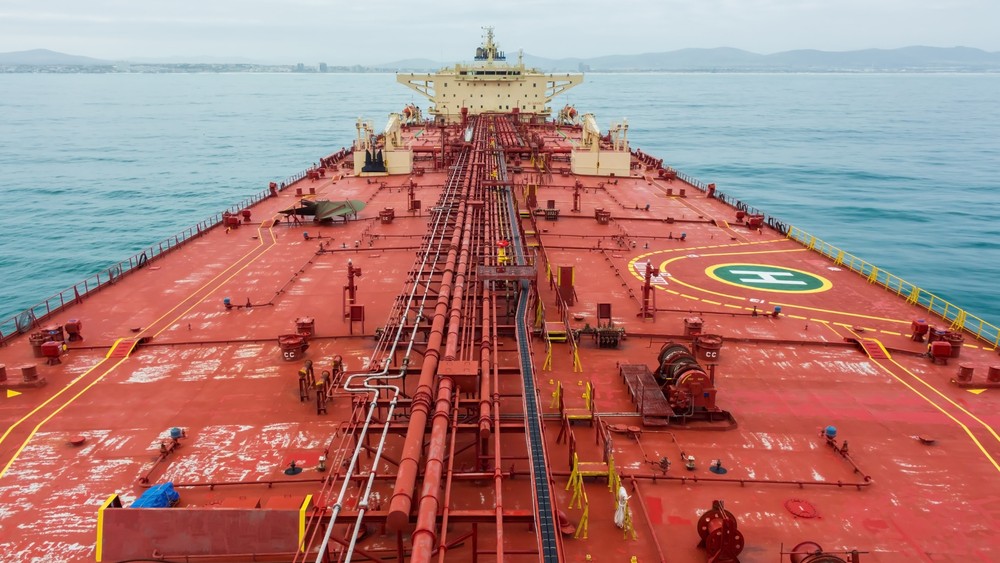
The United Arab Emirates succeeded in restoring its oil exports to pre-crisis levels as early as June by continuing to move crude through and around the Strait of Hormuz despite the disruption at the critical chokepoint — a waterway through which roughly a fifth of global oil consumption normally passes.
Having left OPEC on May 1, the UAE developed multiple workarounds to navigate the blockage. These strategies include shuttling crude through the Strait to transfer it onto larger vessels outside the chokepoint, maximizing the use of its onshore pipeline to transport crude from the country's west to its east coast — thereby bypassing Hormuz entirely — and routing tankers through the Strait in dark mode, with onboard tracking transponders disabled to avoid detection.
According to vessel-tracking data compiled by Bloomberg, the UAE shipped more crude oil through the Strait of Hormuz during June and July than any other Gulf producer.
In addition to its logistical maneuvers, the UAE has issued an unprecedented number of tenders to sell multimillion-barrel crude cargoes in recent weeks. At the end of July, the Abu Dhabi National Oil Company (ADNOC) issued its seventh tender since the start of June, with expectations to sell millions of barrels of oil for delivery between August and October, sourced from both within and outside the Persian Gulf.
ADNOC's tender offered cargo loadings from the UAE ports of Zirku and Das Island inside the Persian Gulf, as well as from the port of Fujairah outside the Gulf. Loadings via ship-to-ship transfers offshore Fujairah or Malaysia were also offered as options. The Fujairah terminal, located on the Gulf of Oman, has long served as the UAE's key export hub for crude that circumvents Hormuz, connected to interior oilfields via the 1.5-million-barrel-per-day Habshan–Fujairah pipeline.
The UAE is estimated to have produced 4.1 million barrels per day (bpd) of crude oil in June — its highest output on record. According to estimates by the International Energy Agency (IEA), production surged from 3.3 million bpd in May to 4.1 million bpd in June after the country departed OPEC effective May 1, began raising output, and managed to move significant export volumes out of the Middle East even as the Strait of Hormuz remained largely blockaded during the first half of June.
To adapt to the Strait's closure, the UAE has increasingly offered its crude grades for loading at offshore Fujairah and at Sohar in Oman — both located outside the Strait — while also continuing to move tankers through the chokepoint in dark mode. The country's ability to sustain exports through the crisis underscores the strategic value of its pre-existing infrastructure investments along its Indian Ocean coastline, which have reduced its dependence on the narrow Hormuz passage.
Source: OilPrice.com

