Trump Says Venezuelan Oil Will Refill U.S. Strategic Petroleum Reserve
Key Takeaways
- •The SPR held 290 million barrels as of August 21, its lowest level in almost 44 years, down from a roughly 714-million-barrel authorized capacity.
- •Venezuela's crude exports declined slightly to 1.16 million barrels per day in July, from 1.2 million in June, reflecting reliance on storage draws.
- •Venezuelan ports face constraints including power outages, crude quality problems, and tanker loading waits of up to 30 days.
- •July exports to the United States averaged 786,000 barrels per day, the highest since early 2019, amid re-engagement after years of U.S. sanctions.
- •The U.S. government is negotiating a direct ownership stake in a Venezuelan field holding combined reserves of 90 billion barrels, and Rystad Energy estimates roughly $180 billion of investment would be needed over ten years to boost Venezuela's output.
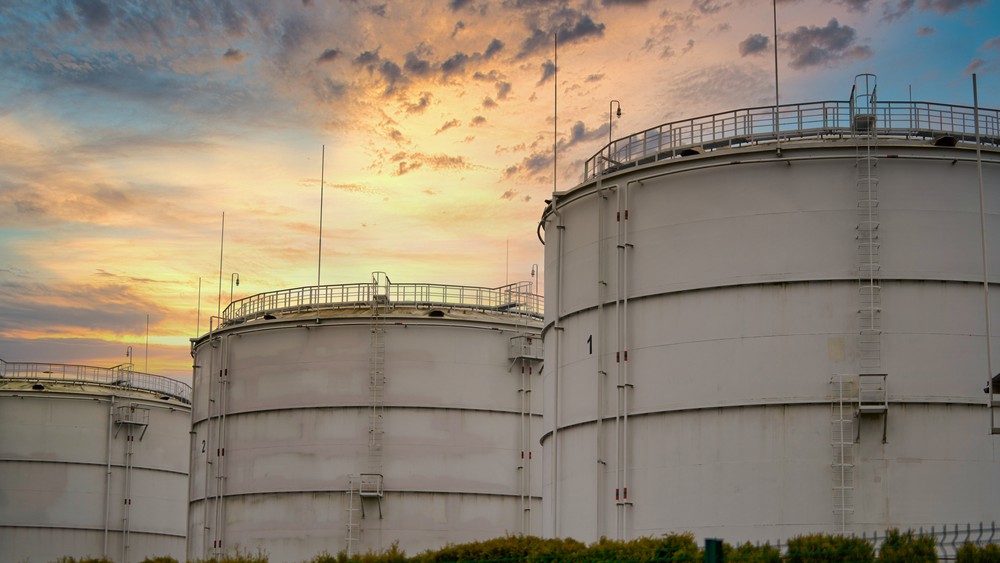
President Donald Trump announced on Sunday on social media that the United States will use Venezuelan crude to refill the Strategic Petroleum Reserve.
Describing the move as a "Gift from Venezuela to the People of the United States," President Trump said the "topping out" will begin soon, as quoted by Reuters.
The Strategic Petroleum Reserve, the world's largest emergency crude stockpile, was created in the wake of the 1970s Arab oil embargo to cushion the U.S. economy against supply shocks. It has been drawn down close to minimum operational levels amid a surge in U.S. crude oil exports triggered by the crisis in the Middle East. As of August 21, according to Reuters, the SPR held 290 million barrels — the lowest level in almost 44 years, down from its roughly 714-million-barrel authorized capacity. Refilling it is a slow process in practice: purchases are typically conducted in fixed-price contracts for delivery in future months, and past buyback tenders have been limited in size.
The "gift" that President Trump expects from Venezuela, however, may take a while to arrive. Venezuela exported 1.16 million barrels of crude oil daily last month, a slight decline from June's 1.2 million barrels per day, driven by lower withdrawals from storage. The country's reliance on storage draws to sustain exports suggests production is not rising as fast as some may hope.
Port capacity presents another constraint. Reports from earlier this month indicated that tankers have had to wait as long as 30 days to load, as Venezuelan ports struggle with power outages and quality problems with the crude being shipped out. Even so, exports in July to Venezuela's largest oil destination — the United States — averaged 786,000 barrels per day, the highest level since early 2019, reflecting a broader re-engagement between the two countries' oil industries after years of U.S. sanctions that had curtailed Venezuelan sales to American refiners.
Last week, news broke that the U.S. federal government is negotiating a direct ownership stake in a high-yield Venezuelan field containing combined reserves of 90 billion barrels of crude — an arrangement that would mark an unusual turn for Washington, which has historically relied on sanctions rather than equity stakes in its dealings with Caracas. Venezuela is currently pumping oil at a rate of 1.25 million barrels per day. Boosting that output would require substantial investment, with Rystad Energy estimating the total needed over the next ten years at around $180 billion.
Source: OilPrice.com | Reuters. By Irina Slav for Oilprice.com.
