Trump Says He Plans to Use Venezuelan Oil to Refill Strategic Petroleum Reserve
Key Takeaways
- •Trump said he wants Venezuelan oil to help refill the U.S. Strategic Petroleum Reserve.
- •He described the crude as a possible “Gift from Venezuela” in a post on X.
- •The statement did not specify how much oil would be bought, when purchases would occur, or how the transfer would work.
- •Any major increase in Venezuelan crude entering the U.S. would depend on sanctions policy and other government authorizations.
- •The SPR is a federal emergency oil stockpile stored in underground salt caverns along the U.S. Gulf Coast.
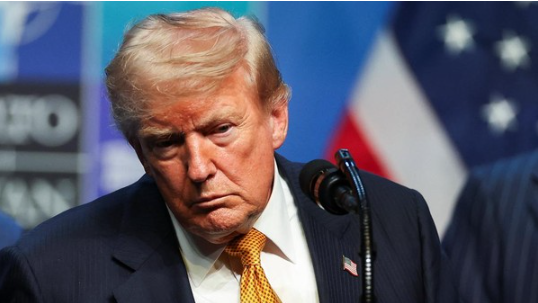
U.S. President Donald Trump said he plans to use Venezuelan oil to replenish the country’s Strategic Petroleum Reserve, describing the crude as a potential “Gift from Venezuela,” according to information shared on X.
The statement points to a possible role for Venezuelan crude in efforts to rebuild U.S. emergency oil inventories. Trump did not provide details in the post about how much Venezuelan oil could be acquired, when purchases would take place, or what arrangements would govern the transfer.
The reference to Venezuela is notable because U.S. policy toward the country’s oil sector has been shaped by sanctions and broader political tensions. Any substantial increase in Venezuelan crude entering the U.S. market would therefore depend on applicable government policies and authorizations.
Strategic Petroleum Reserve Plays Key Role in U.S. Energy Security
The U.S. Strategic Petroleum Reserve, commonly known as the SPR, is a government-controlled emergency stockpile of crude oil. The reserve was created to give the United States an additional source of petroleum during major supply disruptions.
Crude stored in the reserve is kept in underground salt caverns along the U.S. Gulf Coast. Its purpose differs from commercial inventories held by oil companies and refiners, since the federal reserve is intended primarily for use during significant energy emergencies.
The size of the SPR has drawn increased attention following major releases of crude in recent years. Replenishing the reserve has since become an important part of discussions around U.S. energy policy, especially because any effort to rebuild inventories must be balanced against the legal and policy constraints that govern federal oil holdings.
Trump’s statement suggests Venezuelan crude could be considered as a source for rebuilding those inventories, although the announcement did not establish a specific purchasing program.
Venezuelan Crude Has a Long History With U.S. Refineries
Venezuela has some of the world’s largest oil reserves and is known for producing predominantly heavy crude. Certain U.S. Gulf Coast refineries have historically been configured to process heavy grades of petroleum, creating an established relationship between Venezuelan producers and the U.S. refining industry.
That relationship has been affected by U.S. sanctions and restrictions targeting Venezuela’s oil industry. Changes in the ability of Venezuelan producers to sell crude to U.S. buyers have therefore depended on developments in Washington’s policy toward Caracas.
Trump’s latest statement did not explain whether existing restrictions would be changed or whether any specific licenses or agreements would be needed to facilitate the proposed purchases. That makes the policy backdrop as important as the crude itself, since the feasibility of any oil transfer would hinge on the rules in place at the time.
Trump Provides Limited Details on Proposed Oil Purchases
The statement shared on X contains no figure for the amount of Venezuelan oil that could be directed toward the Strategic Petroleum Reserve. It also does not specify whether the crude would be purchased directly by the U.S. government, acquired through another arrangement, or delivered under a broader energy agreement.
The reference to Venezuelan oil as a “Gift from Venezuela” was likewise not accompanied by an explanation of the intended meaning or terms.
Additional information would be needed to determine the scale of the proposal and how it could affect U.S. petroleum inventories, Venezuelan exports, and the broader oil market.
For now, Trump’s comments establish an intention to use Venezuelan crude in replenishing U.S. strategic reserves, but leave the operational and policy details unresolved. The proposal also places Venezuela’s oil resources within the broader discussion of how the United States manages its emergency petroleum stockpile.
