Analysis Questions Whether Trump's 'No-Cost' Venezuelan Oil Deal Will Ever Materialize
Key Takeaways
- •Trump claimed a deal with Venezuela would hand the U.S. control of more than 65 billion barrels of proven oil reserves at no cost to taxpayers, months after a U.S. military operation detained Nicolás Maduro.
- •Columnist James Ball argued the announcement has drawn little attention because no one is certain the Venezuelan oil deal actually exists.
- •Many observers contend interim President Delcy Rodriguez lacks the authority to sign away Venezuela's resource rights, raising international legal concerns.
- •Ball said that if real, the deal would have seismic implications for international law and oil markets, potentially amounting to a seizure of another nation's reserves without consent or compensation.
- •Ball cited a pattern of unsubstantiated Trump announcements, including tariff packages, Iran ceasefires, and a Hamas disarmament deal Israel reportedly never signed.
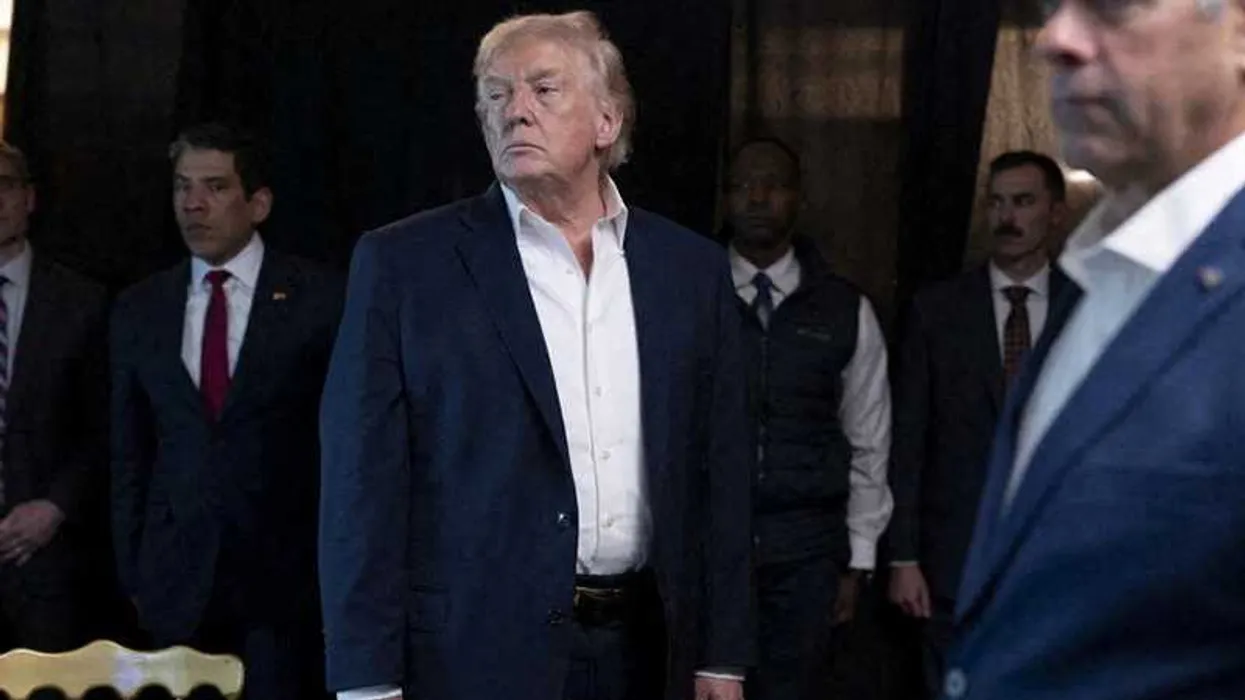
President Donald Trump is promoting a potentially enormous new agreement with Venezuela, but as a new piece from The i Paper argued, the deal appears poised to become yet another Trump promise that ultimately means "almost nothing in reality."
Writing for the outlet this week, reporter and columnist James Ball examined the "BIGGEST OIL DEAL IN WORLD HISTORY" that Trump claimed was underway between the U.S. and Venezuela, months after he ordered a military operation to detain Venezuelan leader Nicolás Maduro. The president asserted that the agreements would give the U.S. "control of more than 65 BILLION BARRELS of proven oil reserves in Venezuela, at no cost to the American taxpayer." Venezuela holds the world's largest proven oil reserves, which is why any shift in control over them would carry weight for global oil markets and for the countries and companies that buy Venezuelan crude.
Given that "the federal government would not involve itself in such a deal," and given the fraught recent history between the two nations, Ball suggested the arrangement could be "something else" entirely: "one sovereign nation seizing the oil reserves of another without proper consent or compensation." That possibility is especially concerning because many observers now argue that interim Venezuelan President Delcy Rodriguez lacks the authority to strike such a deal. Whether the government that replaced Maduro could legally sign away resource rights of this scale is precisely the kind of question international legal scholars weigh when national assets change hands under pressure — a tension that runs through debates over sanctions, asset seizures, and sovereign control of natural resources more broadly.
Ball also suggested the announcement could simply be another "dramatic" boast from Trump that never materializes, or that it comes to pass in far more meager form than promised.
"This is the sort of stuff that used to top the headlines for days at a time, but Trump's announcement has made barely a ripple – partly because no one is at all sure whether the Venezuelan oil deal is even real," Ball wrote. "If it is, then it has seismic implications for international law, for oil markets and more. But the US President announcing something is no longer a reliable indicator as to whether or not it's really happening."
He continued: "Trump has announced huge tariff packages that never materialise. He has announced what seems like dozens of peace deals and ceasefires with Iran, some of which fall apart within minutes of his social posts. Last month, he declared a deal to permanently disarm Hamas, only for it to transpire that Israel had never even signed up to the agreement. Time and again, Trump tries to make dramatic moves on the world stage, only for them to turn out to mean almost nothing in reality."
Ball noted that a deal of this kind, potentially violating foundational international laws on national sovereignty, could be the latest in a growing line of Trump moves that "would overturn the world's existing international order" if carried out. He cited as examples Trump's "jokes" about annexing Canada and Greenland as new states.
"Perhaps on some level, Trump is succeeding in normalizing his erratic and preposterous behavior," Ball added. "It is simply not possible to maintain a constant level of outrage every day for 18 months, even against the most extreme of provocations. But something more than exhaustion might be at work here. Partly, it is increasingly difficult to take Donald Trump seriously, because so few of his announcements are actually backed up by substance."
