Trump Says US Has Entered Deal With Venezuela to Take Control of 65 Billion Barrels of Oil Reserves
Key Takeaways
- •Trump said the agreement covers 65 billion barrels of Venezuela’s oil reserves and was negotiated by Marco Rubio, Pete Hegseth and Delcy Rodriguez.
- •The Venezuelan government did not immediately respond, and the White House did not explain how the arrangement would work or who the private partners are.
- •The announcement comes as the U.S. faces high gasoline prices, reduced strategic petroleum reserves and slower oil shipments through the Strait of Hormuz.
- •Rubio said the deal could bring $100 billion in private investment to Venezuela and help lower gas prices in the United States.
- •Venezuela has an estimated 303 billion barrels of crude oil, but aging infrastructure has left the country producing only about 1% of the world’s oil.
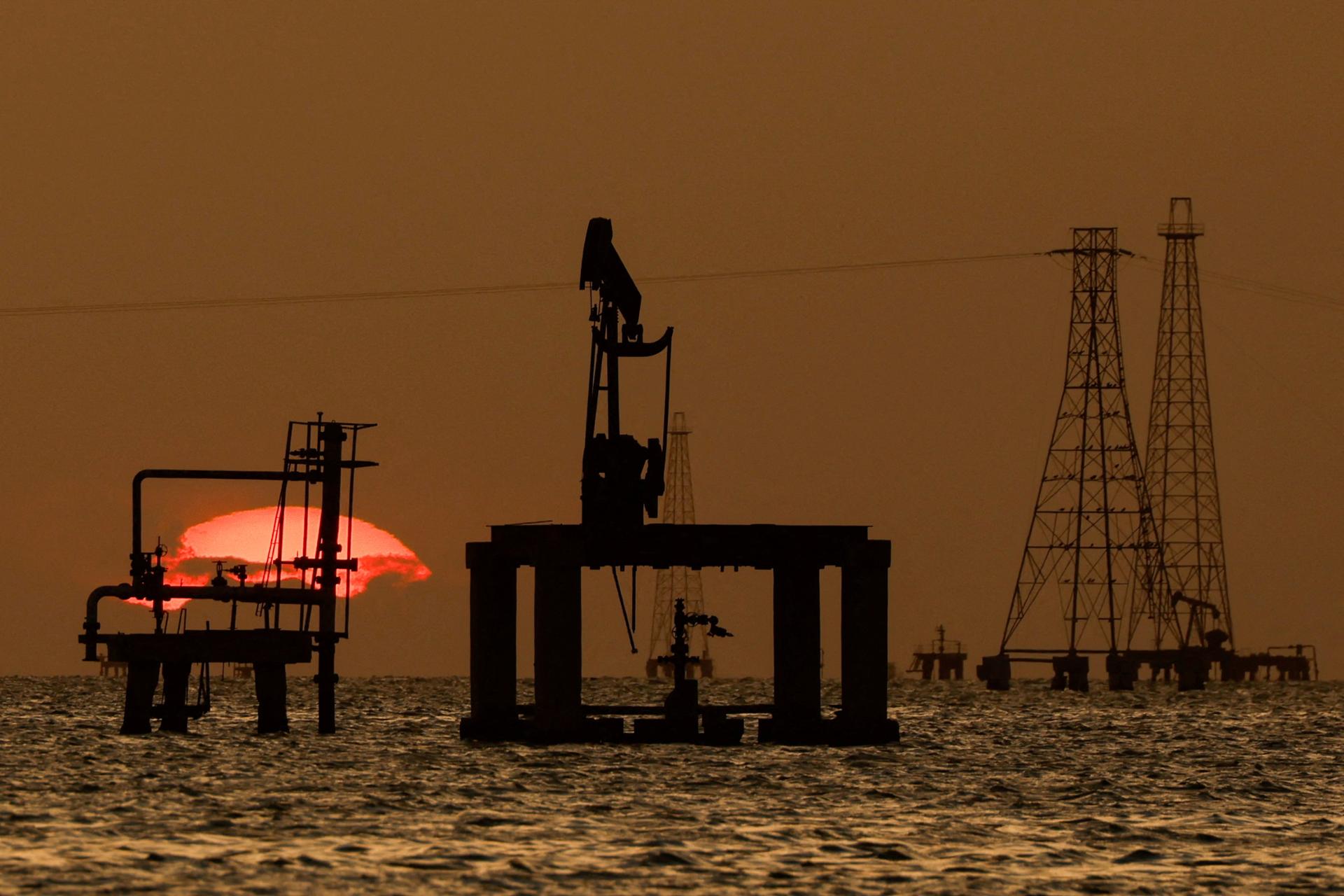
WASHINGTON — President Donald Trump said Friday that the United States has entered into an agreement with Venezuela to take control of 65 billion barrels of the South American country's oil reserves.
Trump announced the agreement in a social media post, saying it was negotiated by Secretary of State Marco Rubio, Defense Secretary Pete Hegseth and Venezuela's interim President Delcy Rodriguez.
"The United States of America has just entered into an Agreement with the Country of Venezuela on, THE BIGGEST OIL DEAL IN WORLD HISTORY!" Trump wrote.
The Venezuelan government's press office did not immediately respond to a request for comment.
The announcement of the deal comes nearly nine months after the U.S. military, at Trump's direction, carried out an operation to capture Venezuela's president Nicolás Maduro and spirit him to the United States to face federal narcoterrorism and drug trafficking charges. It also arrives as oil supply remains a central economic pressure point for the administration, which has tapped strategic petroleum reserves while global shipping through the Strait of Hormuz has slowed during the U.S.-Israel war against Iran.
The deal lands as Trump faces mounting pressure to address high gas prices, with the war in Iran on Friday reaching a six-month milestone and no conclusion in sight. The United States has tapped its strategic petroleum reserves, which in early August fell below 300 million barrels — a decline of more than 100 million barrels since the start of 2026.
The U.S.-Israel war against Iran has led to a dramatic slowdown of Gulf oil moving through the Strait of Hormuz, which about 20 percent of the world's petroleum passed through prior to the conflict. The average price of gas in the United States stood at about $4.09 a gallon on Friday, according to AAA, compared with $3.21 at the same time last year.
In his social media post Friday evening, Trump alluded to the Venezuela deal being part of a private partnership. The White House did not immediately reply to a request for comment about the private sector partners involved in the deal, and details on how the arrangement would work were not provided.
Still, persuading big American oil companies to return to the country could face headwinds, given decades of badly damaged infrastructure. That challenge matters because Venezuela's reserves are vast on paper, but extracting more output would depend on equipment, investment and the ability to restore operations in a sector that has been constrained for years.
Days after the ouster of Maduro, Trump gathered oil executives at the White House and called on them to rush back into Venezuela. The executives expressed interest in the opportunity, but there was also a measure of caution given their past experience in the country. Darren Woods, CEO of ExxonMobil, the largest U.S. oil company, said at the time that he saw the country as "un-investable."
Trump has insisted, however, that his administration has brought a measure of stability to Venezuela. He has argued that Venezuela stole U.S. oil when former Venezuelan President Hugo Chavez moved decades ago to nationalize hundreds of foreign-owned assets, including those owned by American oil companies.
Rodriguez, in one of her early moves after taking power, signed a law that opens the nation's oil sector to privatization, reversing a bedrock tenet of the self-proclaimed socialist movement that had ruled the country for more than two decades.
Rubio said on X that the agreement would usher in $100 billion in private investment into Venezuela and lead to lower gas prices in the United States. "This deal is a huge win for both the American and Venezuelan people," Rubio posted.
Venezuela holds one of the largest oil reserves in the world, with an estimated 303 billion barrels of crude oil in the ground. That is about 17 percent of the world's supply, according to the U.S. Energy Information Administration. Unlike other parts of the world, where geologists have to search for untapped oil, the reserves under Venezuela's soil are largely mapped and known, experts say. But because of dilapidated infrastructure, the country only produces about 1 percent of the world's oil.
Source: The Korea Times

