Trump Administration Faces Growing Pressure Over Potential U.S. Oil Export Restrictions
Key Takeaways
- •The Trump administration officially denied plans to ban crude oil and refined petroleum exports despite reports that such measures were under discussion to lower domestic fuel prices.
- •Congress lifted the decades-old ban on U.S. crude oil exports in December 2015, granting the industry unrestricted export rights that have now been in place for over a decade.
- •The oil and gas industry invested approximately $450 million in campaign contributions, lobbying, and advertising to support Trump and Republicans during the 2024 election cycle.
- •A crude-only export ban would be unlikely to reduce pump prices because U.S. refineries are configured to process a specific blend of light and heavy crude, necessitating both exports of surplus light sweet crude and imports of heavy sour crude.
- •Implementing an export ban would require the president to declare a national emergency, with a potential closure of the Strait of Hormuz by Iran cited as a plausible justification.
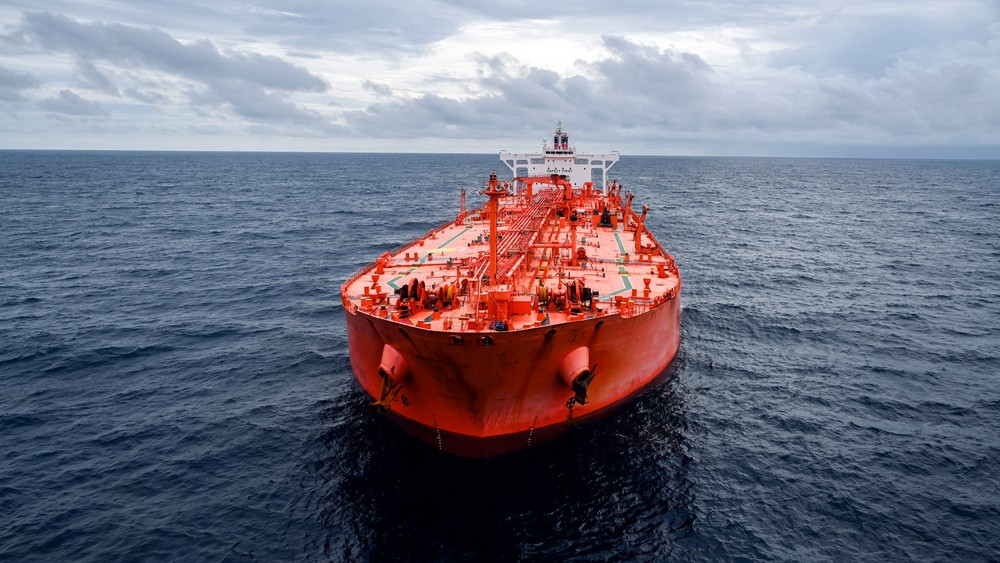
The U.S. oil industry faced an unsettling development last week when news reports suggested that the Trump administration was weighing a potential ban on exports of crude oil and refined petroleum products, including gasoline and diesel. The reported aim was to lower domestic fuel prices, which have risen sharply amid reduced global oil supplies following the Iran war.
However, a Trump administration spokesperson stated that there are no plans to ban exports of oil or natural gas products. As the old Washington, D.C. adage goes, "Nothing is true until it is officially denied." It is likely that such a ban has been discussed within the administration; whether it will be implemented remains the key question.
With distillate fuel exports (including diesel and fuel oil) reaching record-high levels and gasoline exports fluctuating between approximately 750,000 and 1 million barrels per day, American consumers may question why the administration has not already taken action.
The situation is multifaceted. The oil industry has long held the right to export refined products such as gasoline and diesel, as U.S. refinery capacity exceeds domestic demand and the surplus is sold abroad. The industry only more recently secured the unrestricted right to export crude oil and natural gas, arguing that nearly every other American industry can sell its products to the highest bidder globally. Congress lifted the decades-old ban on crude oil exports in December 2015, when the United States had become the world's largest oil producer. That unrestricted export right has now been in place for over a decade.
President Donald Trump had previously emphasized his support for the oil industry and enacted numerous industry-friendly policies. According to one estimate, the oil and gas industry spent $450 million on campaign contributions, lobbying, and advertising to support Trump and Republicans during the 2024 election cycle. The depth of that financial backing makes it unlikely that Trump would move against such a powerful industry.
Implementing an export ban would require the president to declare a national emergency. The closure of the Strait of Hormuz by Iran could plausibly serve as grounds for such a declaration. However, the extent to which an export ban would actually lower prices remains uncertain, and depends heavily on whether it would cover refined products like gasoline and diesel or only crude oil.
Not all crude oil is identical. The United States produces a surplus of light sweet crude — termed "sweet" for its low sulfur content, a pollutant that must be removed during refining — while producing less than it needs of heavy sour crude, which has higher sulfur content. U.S. refineries are configured to process a specific blend of light and heavy crude. Consequently, the country exports some light crude and imports heavy crude to maintain the proper balance.
Restricting exports of light crude would therefore not enable refineries to produce more finished products, since the critical factor is maintaining the right balance of both crude types. This mismatch between domestic crude quality and refinery configuration is one reason many energy economists have historically been skeptical that a crude-only export ban would deliver meaningful relief at the pump.
Absent a prolonged period of elevated gasoline and diesel prices spanning additional months, export controls will likely remain off the table. If high prices persist, however, public pressure for a solution will intensify, and the opposition party may escalate calls for export restrictions to challenge the president. Gasoline prices have long been among the most politically sensitive economic indicators for American voters, and sustained fuel inflation has historically created political risk for incumbents regardless of party.
By Kurt Cobb via Resource Insights
Source: OilPrice.com

