Trump in "Emergency" Mode Over Spiraling Diesel Crisis, Financial Times Reports
Key Takeaways
- •U.S. diesel prices have hit an all-time high average as the conflict with Iran continues with no resolution in sight.
- •Experts say elevated diesel costs spread through trucking, rail, shipping, agriculture, and construction, pushing up prices across the broader economy.
- •Emergency White House discussions include a possible diesel export ban, though officials say Trump is still evaluating options and no decision has been made.
- •Oil industry executives and outside experts have cautioned that an export ban would likely disrupt global supply and raise prices in import-dependent U.S. regions while doing little to lower American costs.
- •Republican Rep. Tim Burchett warned that rising fuel prices could cost the GOP the November midterm elections.
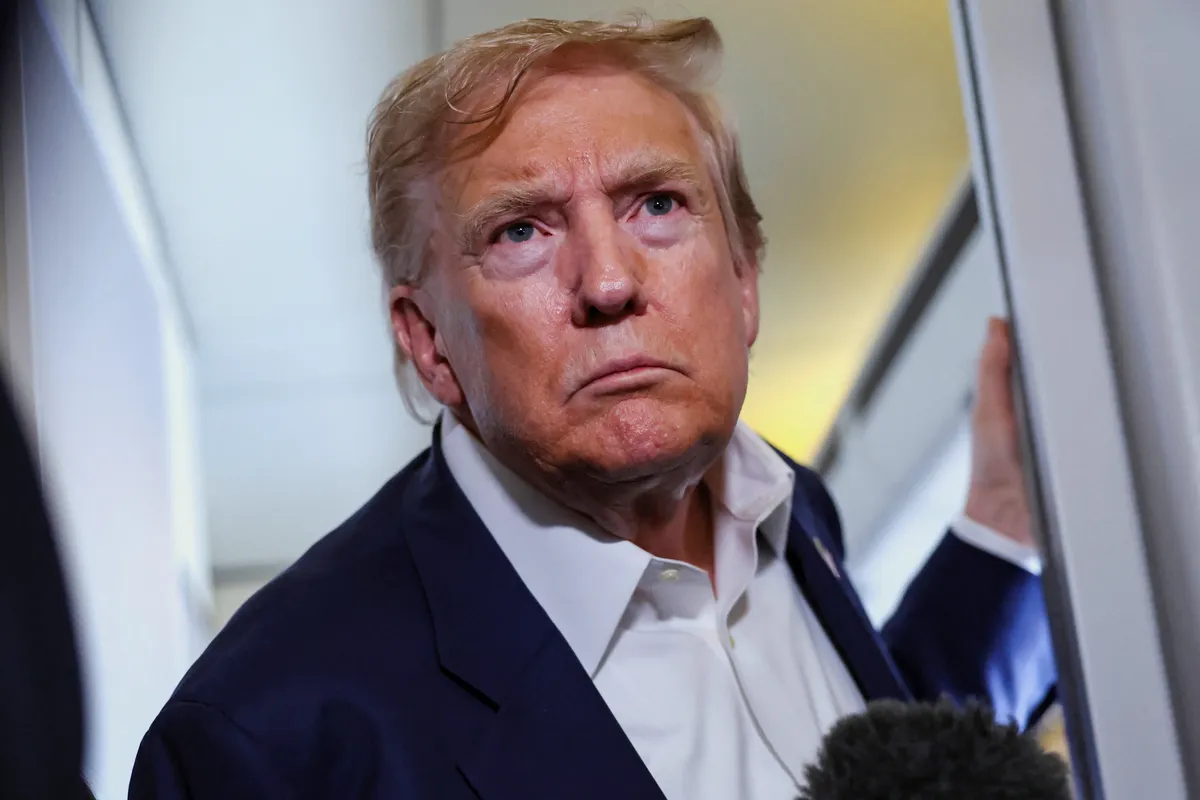
President Donald Trump is reportedly in "emergency" mode over how to address a spiraling diesel price "crisis" that threatens to engulf both the U.S. economy and his presidency, according to the Financial Times.
The conflict with Iran continues with no end in sight, and diesel prices have increased sharply along with the costs of other consumer gas products, recently hitting an all-time high average in United States. Experts have noted that runaway diesel costs are particularly damaging to the economy because they ripple outward through industries dependent on the fuel, such as trucking and transportation, pushing up the prices of nearly everything as a result. The fuel also powers trains, ships, farm equipment, and construction machinery, extending its reach far beyond the gas pump.
In a Wednesday report, the FT cited sources close to the matter who said "emergency talks" have been underway between Trump and his administration officials about ways to address the diesel crisis. Those talks have included consideration of a diesel export ban — an idea Trump has already floated, and one that experts and foreign leaders have urged him not to pursue, arguing that it would likely cause severe global supply disruptions with no effect on American prices. The U.S. diesel market runs in both directions, with domestically produced fuel sold to overseas buyers even as some regions of the country rely on imports to meet local demand.
Other information leaked to the FT indicated that additional ideas have also been floated to the president, such as curbing international diesel sales. In response to an inquiry, a White House official told the outlet that Trump is "evaluating all the options on the table" to address the situation and that no decision has yet been made.
Sources familiar with the ongoing discussions also said that major oil industry companies have managed to convince Trump that a diesel export ban would probably backfire on him by causing prices to spike in parts of the country reliant on imported fuel. Nevertheless, Trump is said to still be "very seriously considering" the export ban as a response to the crisis.
"The debate goes on. We don't have a firm sense of what he's going to do," a source told the outlet. "White House staff are thoroughly opposed to it. But this is all about Trump, and does Trump want to do something big... So [a ban is] still in play." The central unresolved question is whether Trump ultimately opts to override his own staff and the oil industry.
Rep. Tim Burchett, a Tennessee Republican, told the FT that the rise in diesel prices — and gas prices in general — seems poised to cost the GOP the midterm elections in November. "We're going to own it, whether we deserve to or not. We're the ones in power — it's hard to escape that," Burchett told the outlet.

