Sweden Upholds Boliden's Laver Copper Concession Amid Environmental Concerns
Key Takeaways
- •Sweden rejected appeals from two environmental organizations and upheld Boliden's Laver copper concession, originally granted by the chief mining inspector in September 2024.
- •The Laver deposit holds 849.5 million indicated tonnes at 0.24% copper and could double Sweden's annual copper production to roughly 160,000 tonnes while raising EU output by 10%.
- •Boliden still needs environmental permits under Sweden's environmental code before construction can begin, as the current concession does not authorize mine development.
- •The project site overlaps with winter grazing land used by the Semisjaur-Njarg Sámi reindeer herding community, affecting approximately 30 herding businesses and up to 9,000 reindeer.
- •This marks Boliden's second copper concession victory in Sweden in under three months, following the May upholding of its Nautanen concession near the Aitik mine.
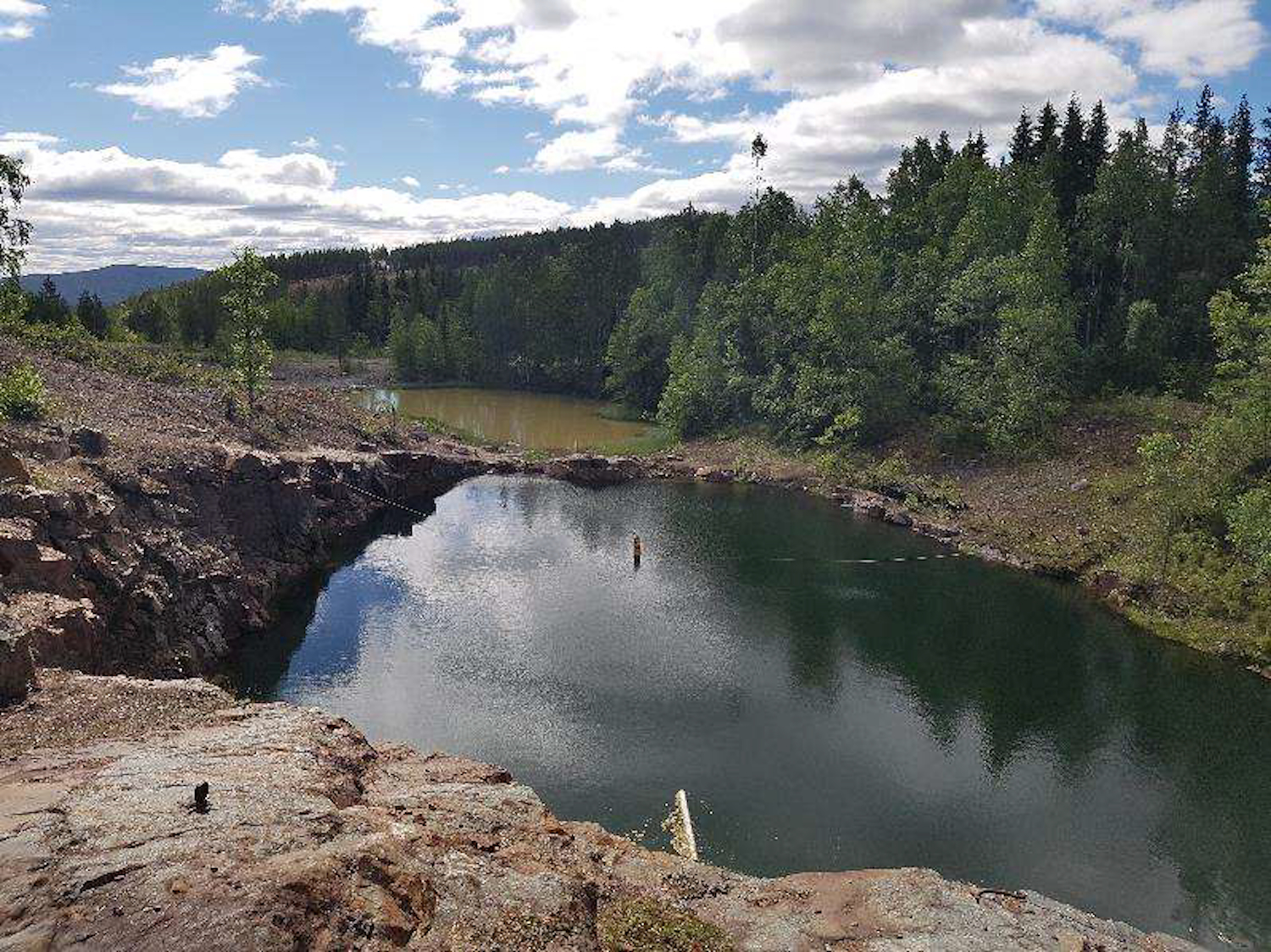
Sweden has rejected appeals against Boliden's (STO: BOL) mining concession for the Laver copper project, removing a key regulatory obstacle for a development that could double the country's copper output, though significant environmental and Sámi land-use questions remain unresolved.
The government on Wednesday upheld the concession originally granted by Sweden's chief mining inspector in September, following appeals from two environmental organizations. Laver, located approximately 700 km north of Stockholm, contains 849.5 million indicated tonnes grading 0.24% copper, according to a 2025 estimate.
Boliden still requires environmental approvals before proceeding. The project site overlaps with winter grazing land used by the Semisjaur-Njarg Sámi reindeer herding community, a tension that has surfaced at multiple proposed mining sites across northern Sweden in recent years.
"We must be able to stand on our own feet in a troubled world where copper is needed for both the power grid and defence," said Sweden's Minister for Energy, Business and Industry Ebba Busch in a government statement.
Second Permitting Victory
The decision marks Boliden's second Swedish copper permitting win in under three months as Europe seeks to bolster domestic supplies of a metal classified as both critical and strategic. Copper demand is projected to grow substantially in coming years, driven by electrification of transport, power grid expansion, and renewable energy build-out, intensifying the race among governments to secure domestic supply chains. In May, Sweden upheld Boliden's Nautanen concession near its Aitik mine, granting the company two prospective new copper sources in northern Sweden.
Boliden shares rose 1.7% in Stockholm trading on Wednesday, closing at SEK539 (C$78.42) per share, giving the company a market valuation of approximately SEK153 billion (C$22.3 billion).
Political Shift Toward Mining
Sweden's right-wing coalition government, in office since late 2022, formalized its pro-mining stance last month by designating critical and rare earth mineral extraction as a national security matter. The policy follows the January lifting of the country's multi-year uranium mining ban and is intended to accelerate environmental permitting while reducing dependence on China.
The Laver concession covers copper, gold, silver, and molybdenum but does not authorize construction. A subsequent review under Sweden's environmental code will assess environmental impacts in greater detail, according to the government.
Those impacts may be considerable. The Laver area, roughly 90 km west of the coastal city of Luleå in Norrbotten County, falls within the Semisjaur-Njarg reindeer management district. The area supports approximately 30 active herding businesses and up to 9,000 reindeer during winter months. Boliden's own project documentation acknowledges that a mine would restrict access and disrupt existing routes, necessitating mitigation measures such as alternative access paths and compensation arrangements.
Boliden has not yet declared reserves at Laver, and its technical and economic studies remain at the conceptual stage. The project holds 122.2 million inferred tonnes grading 0.23% copper, 0.17 grams gold, and 6.6 grams silver per tonne, equating to approximately 281,000 tonnes of contained copper, 668,000 ounces of gold, and 25.9 million ounces of silver, according to Boliden's 2025 mineral resource statement.
The government indicated that Boliden plans two open pits at Lill-Laverberget with eventual ore processing capacity of 36 million tonnes annually. Developing the deposit could double Sweden's national copper production from current levels of approximately 80,000 tonnes per year and increase total EU copper output by 10%, according to Stockholm's estimates.
Historical Context
Copper mining at Laver dates back decades. A previous operation extracted roughly 1.3 million tonnes grading 1.5% copper, 0.2 grams gold, and 36 grams silver per tonne between 1938 and 1946. Boliden discovered the substantially larger modern deposit nearby in 2007.
Laver complements Boliden's broader strategy to expand copper production around its existing Swedish operations. The government's rejection of the Nautanen appeal in May preserved a concession for an underground project approximately 15 km northwest of Aitik, which would leverage Aitik's existing infrastructure.
Boliden estimates that Nautanen could eventually supply up to 3% of Europe's domestic copper production, with operations potentially beginning in the early 2030s pending remaining permits. The company has applied to have Nautanen designated as a strategic project under the EU Critical Raw Materials Act, which entered into force in 2024 and sets benchmarks for the bloc to domestically extract, process, and recycle materials it considers essential to economic security.

