Hormuz Tanker Traffic Stalls at Two-Month Low as Attacks Escalate
Key Takeaways
- •The Strait of Hormuz is one of the world's most critical energy chokepoints, with roughly one-fifth of global oil consumption transiting it on a typical day.
- •Vessel traffic through the Strait dropped to a two-month low by late July and has not reversed despite U.S. efforts to resume negotiations with Iran.
- •A very large crude carrier capable of transporting around two million barrels of oil aborted its transit after receiving direct radio threats and reporting explosions nearby.
- •Iran's assertions of control over the Strait of Hormuz and Houthi threats in the Red Sea are simultaneously disrupting shipping routes from Persian Gulf producers to European and Asian markets.
- •Security and vessel-tracking analysts assess the current threat environment in the Gulf and Red Sea as the most dangerous since the Iran war began.
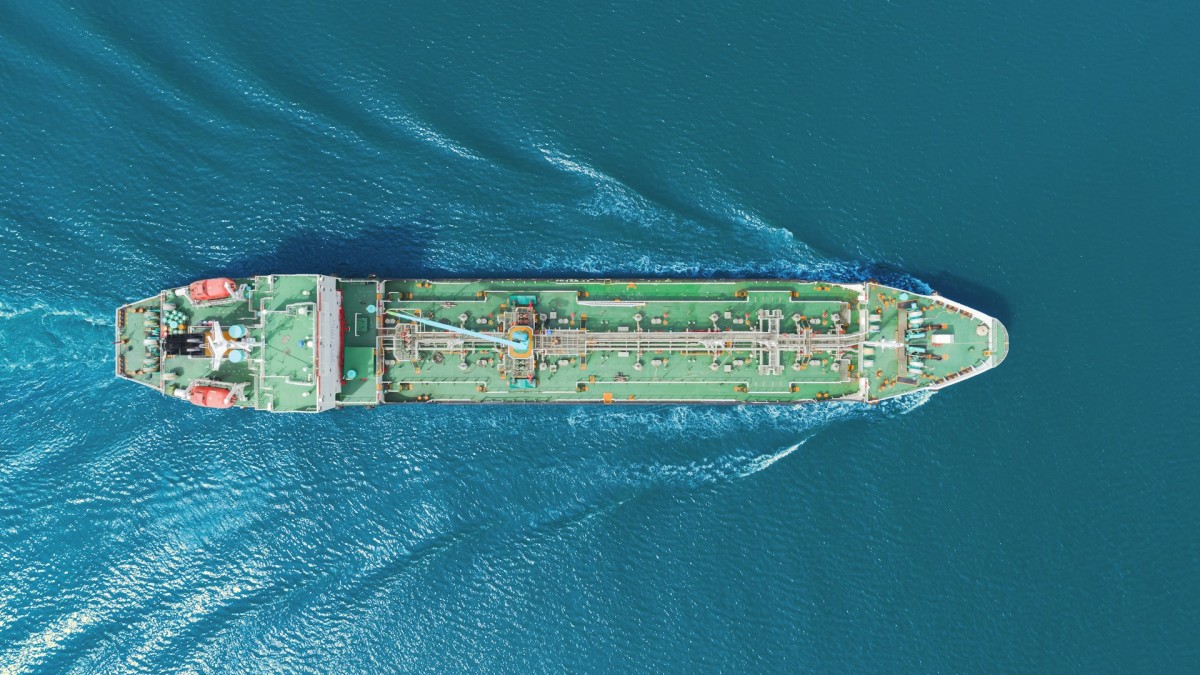
Traffic through the Strait of Hormuz has dropped to its lowest level in more than two months as security concerns mount amid a fresh wave of attacks on commercial vessels and persistent threats to shipping in the region.
The Strait of Hormuz is one of the world's most critical energy chokepoints, with roughly a fifth of global oil consumption transiting the narrow waterway between Iran and Oman on a typical day.
Vessel traffic had briefly rebounded between mid-June and early July, when the chokepoint saw a tentative reopening tied to the now-defunct U.S.–Iran memorandum of understanding. That respite proved short-lived. By the end of July, transits of all vessels — including commodity carriers — had plunged to a two-month low.
The decline has not reversed, despite U.S. efforts to talk down oil prices and announcements that negotiations with Iran would resume.
Security Deterioration
The security situation has worsened over the past two weeks. Iran has continued to assert control over vessels transiting the Strait of Hormuz, while the Iran-aligned Houthis have threatened Saudi-linked shipments transiting the Red Sea and the Bab el-Mandeb Strait, the narrow passage leading into the Arabian Sea. The disruption at both chokepoints simultaneously compounds the pressure on shipping routes connecting Persian Gulf producers to European and Asian markets.
Ship-tracking data monitored by Bloomberg showed that traffic through the Strait of Hormuz remained subdued as of Tuesday.
The sustained trickle of traffic is prolonging a period in which tanker owners are either operating in dark mode to transit the chokepoint, abandoning attempts to cross altogether, or declining to risk the passage entirely.
VLCC Aborts Transit After Threats
Over the weekend, the Egypt Prosperity, a very large crude carrier (VLCC) capable of transporting around two million barrels of oil, aborted an attempt to exit the Persian Gulf after receiving direct threats over radio, according to alerts from security consultancies reviewed by Bloomberg News. The crew of the Egypt Prosperity also reported hearing explosions near the vessel.
Analysts: Worst Conditions Since Iran War Began
Analysts at security and vessel-tracking firms told the BBC this week that threats to shipping in the Gulf and the Red Sea have escalated to the most dangerous safety environment since the Iran war began.
"In terms of threat to the trade of crude, we're at the worst period that we've been in since this crisis began," Matthew Wright, an analyst at ship-tracking firm Kpler, told the BBC.
By Charles Kennedy for Oilprice.com

