Strait of Hormuz Vessel Traffic Drops Sharply as US-Iran Tensions and Shipping Risks Escalate
Key Takeaways
- •Vessel transits through the Strait of Hormuz fell to 33 between Monday and Thursday, down from 50 during the same period the previous week, with only four vessels passing through on Thursday alone.
- •Iran's parliament is reviewing proposals that would ban U.S. and Israeli ships from transiting the strait and require compensation from other nations Tehran deems hostile to Iranian interests.
- •Security analysts told the BBC that threats to shipping in the Gulf and Red Sea have escalated to the worst safety situation since the Iran war began.
- •Brent crude oil prices surged above $83 per barrel in Friday Asian trading after Houthi forces struck Saudi Arabia's southern Najran province, killing 11 civilians.
- •Disruptions have also affected the separate Bab el-Mandeb Strait, where a Houthi claim of striking a Saudi oil tanker is forcing many vessels into costly reroutes around Africa's Cape of Good Hope.
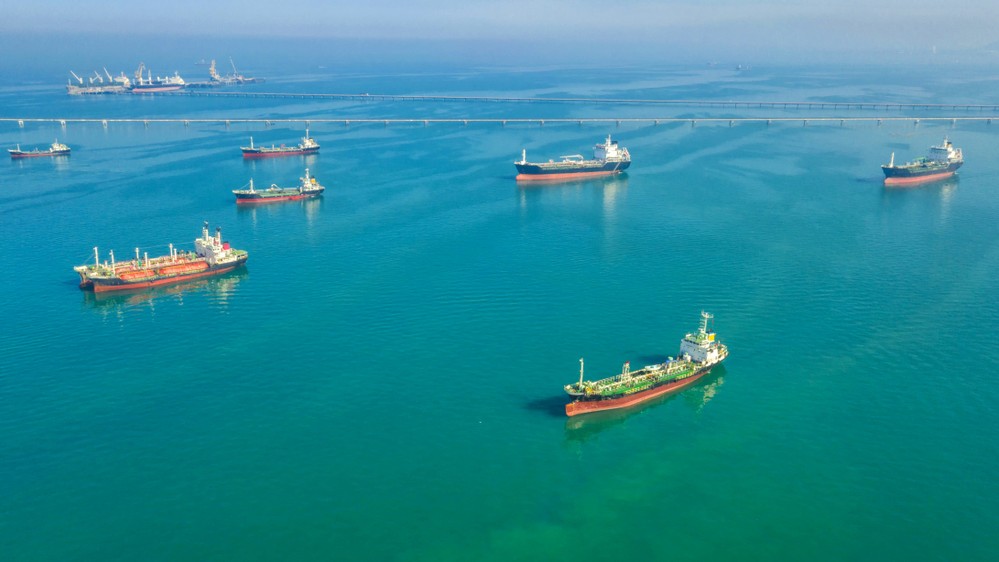
Vessel traffic through the Strait of Hormuz has declined significantly this week compared to the prior week, driven by mounting uncertainty surrounding U.S.-Iran negotiations and the potential reopening of one of the Middle East's most critical oil and LNG transit chokepoints. The Strait, through which roughly a fifth of global oil consumption normally flows, along with substantial volumes of Qatari LNG, has long been a focal point of regional risk, though Iran has never fully closed it despite repeated threats over the years.
Between Monday and Thursday, a total of 33 vessels transited the Strait of Hormuz, down from 50 vessels during the same period the previous week, according to ship-tracking data monitored by Reuters.
On Thursday, as markets anticipated a draft Iran-Oman proposal for joint management of the Strait, only four vessels moved through Hormuz, per data from commodities analytics firm Kpler. According to Kpler's analysis cited by Reuters, just six crude oil tankers have managed to clear the Strait of Hormuz on an outbound basis so far this week.
Shipping traffic through both the Strait of Hormuz and the Bab el-Mandeb Strait deteriorated sharply earlier this week, coinciding with a Houthi claim that they had struck a Saudi oil tanker in the Red Sea, alongside emerging hopes that Oman and Iran could reach an agreement on jointly managing Hormuz. The Bab el-Mandeb, which links the Red Sea to the Gulf of Aden, is a separate but equally vital artery, and its disruption forces many vessels into costly reroutes around Africa's Cape of Good Hope.
Analysts at security and vessel-tracking firms told the BBC this week that threats to shipping in the Gulf and the Red Sea have escalated to the worst safety situation since the Iran war began.
By the end of the week, market expectations for U.S.-Iran talks and an Iran-Oman deal on the management of the Strait of Hormuz appeared to be fading. Iran signaled a far more restrictive regime for vessel traffic than previously anticipated, with proposals under review in its parliament to ban U.S. and Israeli ships from transiting the Strait entirely. Additionally, other nations that Tehran deems to have harmed Iranian interests would be required to pay compensation for passage through Hormuz. The proposals, if enacted, would mark a significant departure from the long-standing norm of free navigation through the Strait under international law, though enforcement capabilities remain an open question.
"Despite clear signs of progress in recent days, the tenor of the rhetoric and growing distrust between the US and Iran mean things could go from bad to worse once again," ING commodities strategists Warren Patterson and Ewa Manthey wrote in a note early on Friday.
In Friday Asian trading, oil prices surged, with Brent crude topping $83 per barrel, after the Iran-aligned Houthis in Yemen struck Saudi Arabia's southern province of Najran in the latest escalation of Middle Eastern hostilities, killing 11 civilians.
By Tsvetana Paraskova for Oilprice.com

