Stocks Rise Despite New Tensions in Strait of Hormuz; Oil Price Climbs
Key Takeaways
- •Brent crude rose to $83 per barrel on Friday morning after Iran struck what it described as hostile targets in the Strait of Hormuz following explosions near Qeshm Island.
- •Iran and Oman have reached a preliminary agreement that would route incoming ships closer to Iran and outgoing vessels closer to Oman through the strategic chokepoint.
- •Tehran intends to prohibit US and Israeli vessels from transiting the strait and requires countries it considers hostile to pay compensation before granting passage.
- •Iran's foreign ministry spokesman Esmaeil Baqaei stated that the Oman-brokered deal does not guarantee safe navigation, citing ongoing security impacts from the US blockade of Iranian ports.
- •Conflicting accounts between Tehran and the White House over US involvement in the negotiations cast uncertainty on whether the framework can hold without direct American buy-in.
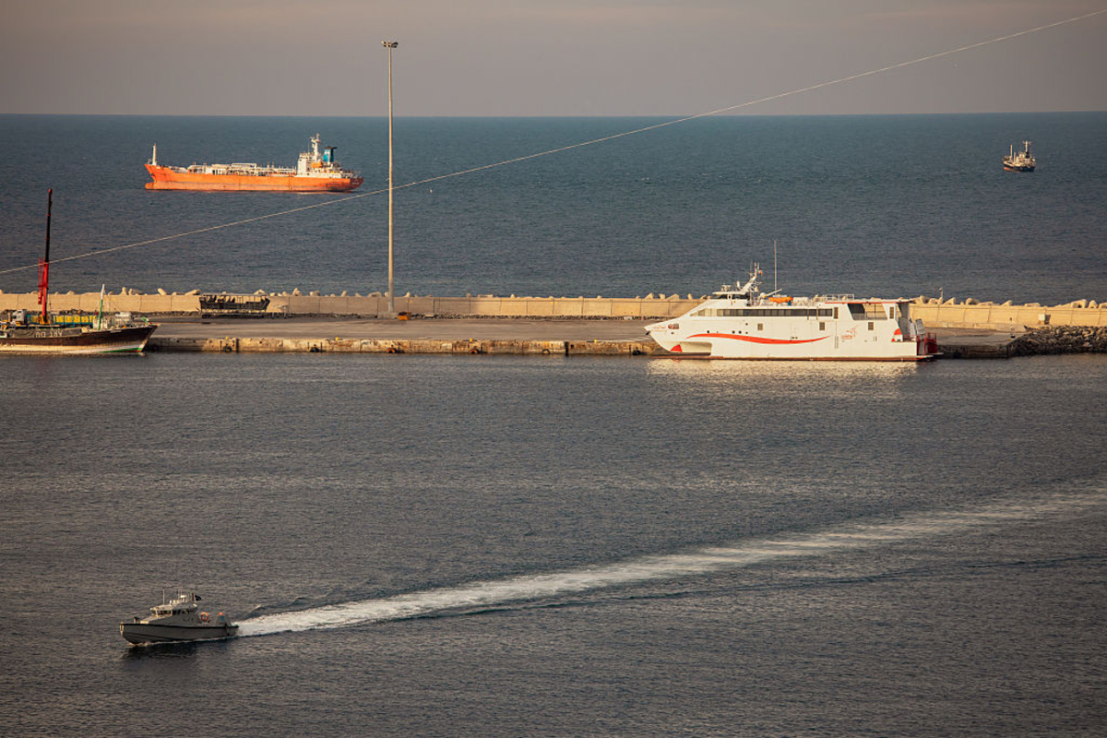
New tensions in the Strait of Hormuz this morning are leaving markets on edge, dealing a blow to earlier optimism surrounding a potential peace deal between the United States and Iran. The strait is one of the world's most critical oil transit chokepoints, through which roughly a fifth of global oil consumption passes daily, making any disruption there a flashpoint for energy markets.
Oil prices are moving higher, reversing some of the pullback seen earlier in the week, after an attack in the strait unsettled markets. Brent crude, the international benchmark for oil prices, climbed to $83 per barrel on Friday morning. The rise underscores how quickly the fragile US-Iran détente can shift sentiment in crude markets, where supply fears have repeatedly overridden demand-side concerns in recent sessions.
The move follows reports that Iran struck what it described as "hostile targets" in the strait, after explosions were reported near Qeshm Island.
The development comes as Iran and Oman brokered an agreement on broad terms to open up the Strait of Hormuz. Under the new agreement, ships entering the narrow waterway would travel along a route closer to Iran, while outgoing vessels would use a passage closer to Oman.
Tehran is aiming to prohibit US and Israeli vessels from transiting Hormuz and to require countries deemed hostile to pay compensation before being granted passage. Iran's foreign ministry spokesman Esmaeil Baqaei said the deal with Oman would not guarantee safe navigation through the strait.
Baqaei argued that security remains impacted by the US blockade of Iran's ports. Tehran officials have also said the US was not involved in advancing the talks, a claim that contradicts the rhetoric coming out of the White House. The conflicting accounts leave open whether a workable framework can hold without direct US buy-in, particularly given Washington's naval presence in the region.
President Trump has continued to assert that the US is "knocking the hell out of" Iran but added that he would "rather make a deal, because I don't want to kill people." Source

