Two Oil Supertankers Reportedly Hit by Projectiles in the Strait of Hormuz
Key Takeaways
- •The reported incidents involved the Saudi-operated Sidr and Sinokor’s Senegal Prosperity in the Strait of Hormuz.
- •Marisks said both tankers were struck by unknown projectiles in quick succession.
- •The available report did not identify who was responsible or describe any damage to the vessels.
- •The Strait of Hormuz is a critical route for crude oil and petroleum shipments from the Persian Gulf.
- •The reports could add uncertainty for shipping operations, insurance decisions and energy market monitoring.
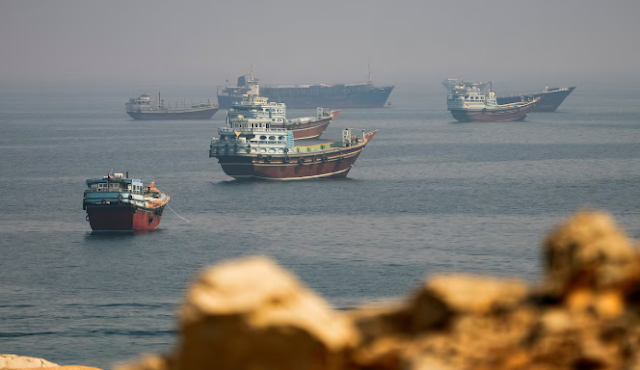
Two oil supertankers were reportedly struck by projectiles while transiting the Strait of Hormuz, according to maritime security consultant Marisks, renewing attention on security risks along one of the world’s most heavily watched energy corridors.
The vessels identified in the report are Saudi Arabia’s Bahri-operated Sidr and Sinokor’s Senegal Prosperity. Both were reportedly hit in quick succession by unknown projectiles while passing through the strategic waterway.
The incidents were highlighted in a breaking update shared on X by @coinbureau, citing information attributed to Marisks.
Two tankers reportedly struck in quick succession
The reported incidents involved two large oil tankers traveling through the Strait of Hormuz. According to Marisks, the Sidr, operated by Saudi shipping company Bahri, and the Senegal Prosperity, operated by Sinokor, were reportedly struck by unknown projectiles.
The circumstances surrounding the reported strikes, including the origin of the projectiles and the extent of any damage to the vessels, were not provided in the information available in the X post.
The incidents occurred in quick succession, according to the report, drawing additional attention to maritime traffic moving through the strait.
The Strait of Hormuz is a narrow waterway connecting the Persian Gulf with the Gulf of Oman and the Arabian Sea. Its location makes it a critical transit route for international energy shipments, particularly crude oil and petroleum products originating from major producers in the Persian Gulf region.
Any disruption or security threat affecting vessels operating in the area can therefore have implications beyond individual shipping companies or tankers, which is why even unconfirmed reports in the strait tend to draw rapid scrutiny from shippers and market watchers.
Strait of Hormuz remains critical to global energy trade
The latest reports come against the backdrop of longstanding security concerns surrounding commercial shipping in and around the Strait of Hormuz.
The waterway serves as a major connection between oil-producing states in the Persian Gulf and international markets. Large crude carriers and other energy vessels regularly use the route to transport supplies to destinations around the world.
Because of the concentration of energy shipments passing through the strait, maritime incidents can quickly attract the attention of governments, shipping companies, insurers and energy traders.
The reported strikes involving the Sidr and Senegal Prosperity could therefore add another layer of uncertainty for vessels operating along the route. However, the information cited in the original report does not establish the identity of those responsible or indicate whether the incidents have affected broader shipping operations.
Potential implications for energy markets
The reported incidents introduce additional security concerns for the movement of oil through the Strait of Hormuz at a time when the route remains central to global energy transportation.
A sustained disruption to shipping through the waterway could potentially affect the availability and transportation costs of oil, while heightened security risks can also influence decisions made by ship operators, insurers and energy companies.
For now, the reported incidents involving the two tankers remain the key development. Further information about the condition of the vessels, the nature of the projectiles and the circumstances surrounding the attacks would be necessary to establish the full impact.
The reports underscore the sensitivity of global energy supply chains to developments around the Strait of Hormuz. As authorities and maritime security organizations assess the incidents, energy markets are likely to closely monitor any further developments involving commercial vessels in the area.
Writer: Victoria Hale, Technology & Blockchain Writer
Victoria Hale writes about blockchain technology, digital infrastructure, and the intersection of emerging technologies with finance. Her articles explore how new protocols and systems are shaping the evolving digital economy. She prioritises clarity and accuracy when explaining technical developments to a general audience.
