Hormuz Shipping Slumps as U.S.-Iran Strikes Rattle Oil Markets
Key Takeaways
- •Kpler reported four tanker crossings through the Strait of Hormuz on Tuesday, below its 10-day average of 13.
- •Windward said four tankers entered the strait and three left, with some vessels operating in dark mode.
- •U.S. Energy Secretary Chris Wright said 17 million barrels of crude passed through the strait on Monday, though ship trackers showed lower levels.
- •Iran was reported to have struck two tankers in Hormuz after U.S. attacks over the weekend.
- •Brent crude rose above $96 per barrel and West Texas Intermediate traded above $90 per barrel on the developments.
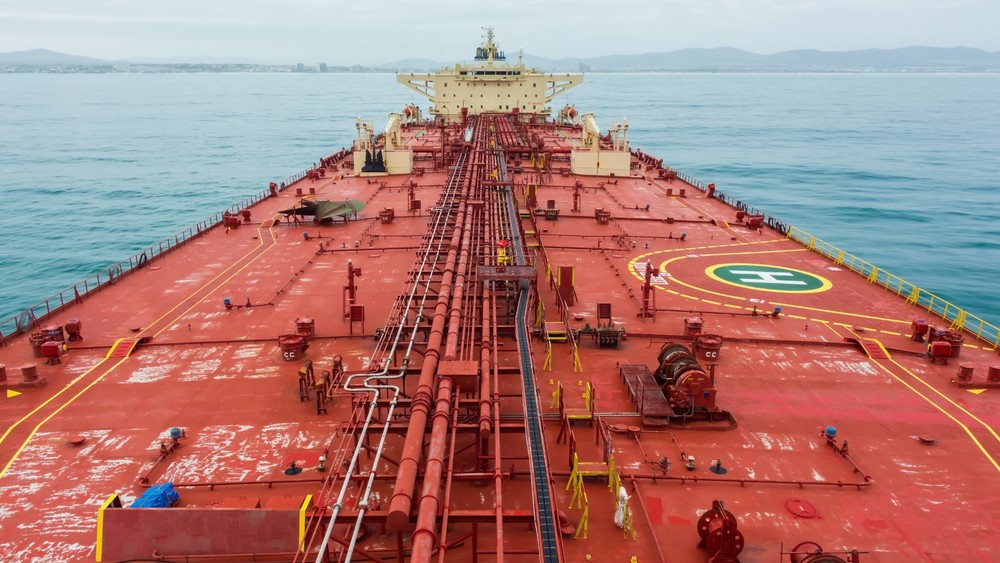
The number of tankers crossing the Strait of Hormuz remains below the 10-day average, according to ship trackers, after U.S. strikes and Iranian retaliation heightened tensions in the waterway and raised fresh questions about the security of one of the world’s most important oil transit routes.
Kpler reported only four tanker crossings on Tuesday, below a 10-day average of 13 tankers, Reuters reported earlier in the day. Windward separately said four tankers entered the strait, two of them in dark mode, while three tankers exited on Tuesday, one of them also in dark mode.
Earlier this week, U.S. Energy Secretary Chris Wright said a total of 17 million barrels of crude had passed through the Strait of Hormuz on Monday alone. “When you factor in bypass volumes, it suggests Persian Gulf oil flows are above pre-war levels,” ING commodity analysts said in a note. “But these numbers are uncertain. Ship trackers have been estimating much more modest flows.”
They added that, “It makes more sense to look at average flows over longer periods, rather than a single day, given flows move lots day to day.”
That distinction matters because the strait handles a significant share of seaborne crude and fuel exports from the Gulf, so even brief disruptions or changes in routing can quickly feed into market pricing, insurance costs and vessel behavior. The latest tanker-traffic figures came after reports that Iran struck two tankers in Hormuz in response to U.S. attacks launched over the weekend. Oil prices rose on the developments, with Brent crude topping $96 per barrel earlier on Tuesday and West Texas Intermediate trading above $90 per barrel.
“I like our position now much better, with almost total control of the Hormuz Strait, and their economy totally collapsing,” President Trump said, as quoted by Reuters. “They are just playing out the inevitable. When are the Iranian people going to rise up and fight?”
Iran responded in similar terms. The country’s joint military command said in a statement: “We warn that the continuation of American evil in the region will be met with heavier, more widespread, and devastating responses, and any country that cooperates with the aggressive American army must accept its dangerous consequences.”
By Irina Slav for Oilprice.com
