Strait of Hormuz Tanker Crossings Drop to Lowest Level Since May Amid Escalating War Risks
Key Takeaways
- •Only one oil tanker crossed the Strait of Hormuz on Thursday, the lowest number of transits since May 7.
- •The New Giant was carrying about 2 million barrels of Iraqi Basrah crude and is expected to reach China’s Rizhao port by mid-August.
- •No tanker made an inbound transit into the Persian Gulf through the Strait of Hormuz on Thursday.
- •Some tankers in the Red Sea turned north toward the Suez Canal to reduce exposure to Houthi attacks.
- •Aramco has started offering crude loadings at Egypt’s Sidi Kerir port after rerouting many shipments away from Hormuz.
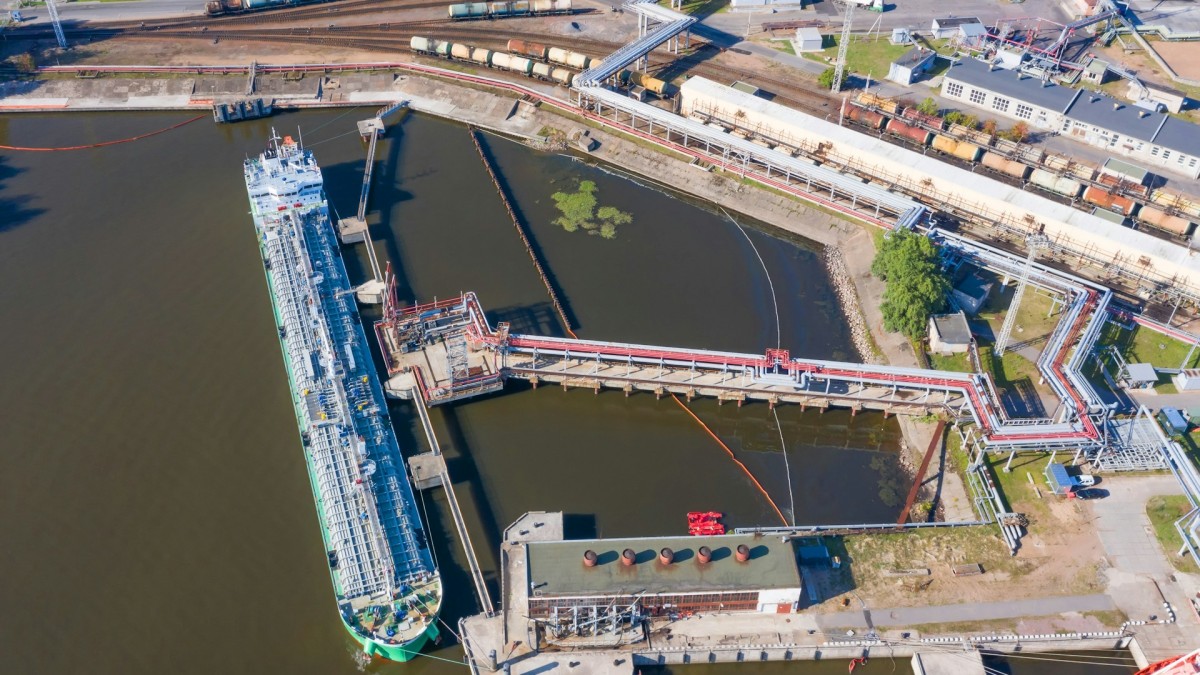
Only one oil tanker transited the Strait of Hormuz on Thursday, marking the lowest number of crossings since May 7, as escalating war risks pushed crude oil prices back above $100 per barrel.
The Strait of Hormuz is one of the world's most important oil chokepoints, linking Persian Gulf producers with international markets. A sharp reduction in tanker movements there can therefore quickly draw attention from refiners, traders, and governments because it affects the physical flow of crude rather than only market sentiment.
Three tankers had transited the strait on Wednesday, but that figure fell to just a single vessel on Thursday, according to Kpler vessel-tracking data cited by Reuters on Friday.
The sole outbound tanker, The New Giant — a supertanker carrying approximately 2 million barrels of Basrah crude from Iraq — exited the Strait of Hormuz on Thursday, with China's Rizhao port expected to receive it by mid-August, the data showed. No tanker made an inbound transit through the strait into the Persian Gulf that day.
Traffic through the Bab el-Mandeb Strait in the Red Sea remained relatively high despite Houthi attacks on vessels and threats to blockade Saudi Arabia's key export route, which has taken on greater importance amid the disruption at Hormuz. However, some tankers were observed turning north in the Red Sea toward the Suez Canal to avoid being targeted by the Houthis — the Iran-aligned group in Yemen that has emerged as a significant new threat to Middle East oil supply.
Voyages routed from the Red Sea through the Suez Canal, across the Mediterranean, and around the southern tip of Africa extend delivery times for energy commodities to Asia to roughly three times longer than transit through the Bab el-Mandeb Strait. Longer routes can also tie up vessels for more time, making tanker availability and freight costs part of the supply-chain impact when security risks rise around key waterways.
Aramco, the Saudi state oil company that had previously managed to reroute most of its shipments away from Hormuz via the Bab el-Mandeb Strait, has begun offering crude loadings at Sidi Kerir, an Egyptian port on the Mediterranean, according to Reuters.
"Further escalation in the Persian Gulf and fears of a widening conflict are putting a significant amount of oil supply at risk," ING commodity analysts said in a note on Friday, pointing to Houthi attacks on Saudi tankers in the Bab el-Mandeb Strait as well as President Trump's latest threats against Iran.
Source: OilPrice.com

