Gulf Oil Exports Remain Bottlenecked at Strait of Hormuz Despite Slight Traffic Increase
Key Takeaways
- •Fourteen commodity vessels transited the Strait of Hormuz in both directions on Wednesday, an increase from single-digit figures recorded the previous week.
- •US Energy Secretary Chris Wright stated that approximately 6.5 million barrels of oil per day moved through the strait over the past week with American military escorts.
- •A VLCC was provisionally booked at nearly $500,000 per day to transport Gulf crude to China, reflecting elevated war risk insurance premiums in the region.
- •Two LNG carriers were struck late Wednesday at Egypt's Damietta port near the Suez Canal, with no group claiming responsibility for the attacks.
- •Qatar's Al Areesh departed the Persian Gulf carrying the country's first LNG shipment in three weeks, as interruptions to Qatari shipping schedules affect gas markets in Asia and Europe.
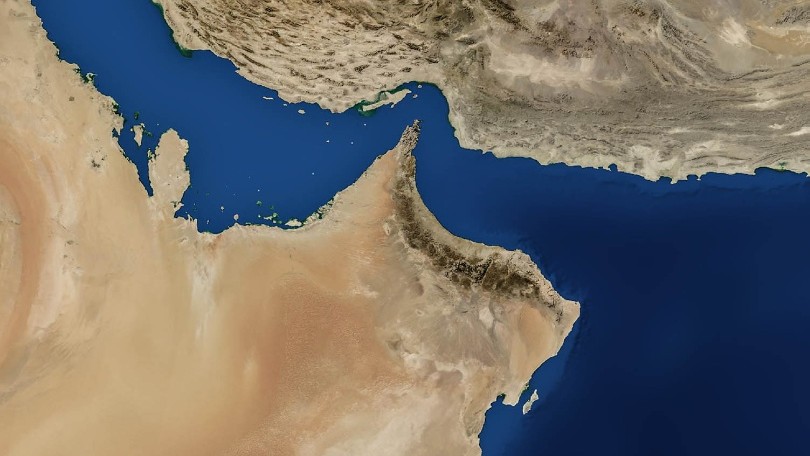
Shipping traffic through the Strait of Hormuz saw a modest increase as US-Iran negotiations continued in an effort to restore calm after a memorandum of understanding collapsed amid two weeks of reciprocal strikes. Pakistan's Foreign Ministry spokesperson Tahir Andrabi confirmed the talks but offered no additional details, as reported by Bloomberg.
However, the security environment in the Gulf worsened overnight following a new wave of US strikes on Iran, launched in response to attacks on American forces stationed in Jordan. Separately, reports surfaced that a US-owned LNG vessel was hit at an Egyptian port.
According to Kpler data cited by Bloomberg, fourteen commodity vessels transited the Hormuz chokepoint in both directions on Wednesday, a rise from single-digit figures recorded the previous week. The Strait of Hormuz normally carries roughly one-fifth of global oil consumption, making even partial disruptions significant for energy supply chains.
Kpler noted in a post on X:
Hormuz shipping bottleneck endures. A four-day pause in US strikes on Iran has done little to restore Middle East Gulf crude exports. Confirmed clearance remained close to recent lows, while Gulf loading activity fell by more than half for the first time in six weeks. The crude backlog has shifted between the Gulf and the Gulf of Oman rather than disappeared. Persistent maritime security risks, war risk insurance costs and Iranian interdiction now appear to be the main barriers. Offshore ship to ship transfers are helping manage inventories, but not expanding export capacity. For energy markets, physical shipping data remain a clearer measure of supply conditions than geopolitical headlines.
Qatar's Al Areesh departed the Persian Gulf carrying the country's first LNG shipment in three weeks. Qatar is among the world's largest LNG exporters, and interruptions to its shipping schedule affect gas markets in Asia and Europe. Meanwhile, a supertanker was provisionally booked at nearly $500,000 per day to transport Gulf crude to China — a rate reflecting elevated war risk premiums in the region.
US Energy Secretary Chris Wright stated that approximately 6.5 million barrels of oil per day moved through the strait over the past week with American support.
"We are using the United States military to escort out oil and gas out of the Strait of Hormuz," Wright told Bloomberg Radio, reiterating that about 6.5 million barrels of oil a day exited the Gulf via the strait during that period. "We are restoring supplies of global oil and refined products to the world out of that region."
Maritime Chokepoint Developments
Strait of Hormuz
- A Norwegian-flagged products tanker appears to be preparing to exit.
- Two Iran-linked Suezmaxes, Chloe and Kariz, sailed into the strait and are now idling off Iran's Bandar Abbas.
- Very large crude carrier (VLCC) Jamaica Prosperity was provisionally fixed by the shipping unit of a Chinese charterer to pick up a Persian Gulf cargo on August 3 at 465 Worldscale points, or nearly $500,000 per day.
Southern Red Sea
- Twenty-one commodity vessels crossed the Bab el-Mandeb Strait in either direction on Wednesday, compared to 38 a day earlier, according to Kpler.
- Only Russian crude exited via the chokepoint, totaling approximately 3.5 million barrels, though some vessels may have transited with transponders switched off.
- South Korean-controlled VLCC V Glory was seen approaching the Gulf of Aden recently before going dark; Saudi-flagged Samha was observed doing the same on Thursday.
- On Wednesday, several ships were provisionally booked to load from Yanbu in August, with the option of exiting via the Bab el-Mandeb to reach South Korea.
Northern Red Sea
- Two LNG carriers were struck late Wednesday at Egypt's Damietta port near the mouth of the Suez Canal; no group has claimed responsibility.
- Japanese-flagged VLCC Takamatsu Maru is the latest vessel to divert to Egypt's Sidi Kerir on the Mediterranean coast, having previously been destined for the US; the ship is currently southeast of Africa.
- Bidbid and VL Prosperity have arrived at and are loading from Sidi Kerir, with previously reported destinations in Asia.
- Three VLCCs — Olympic Luck, DHT Gazelle, and DHT Mustang — that departed Yanbu are currently idling off Sidi Kerir with no clear destination.

