Southeast Asia's Aging Power Grids Threaten Clean Energy Investment Surge
Key Takeaways
- •The Strait of Hormuz closure in February severed approximately 20 percent of global oil and gas flows, with around 80 percent of exported oil and 90 percent of exported natural gas from the Strait destined for Asian markets.
- •Coal still accounts for more than 40 percent of Southeast Asia's electricity generation, and international financing vehicles totaling over $35 billion for Indonesia and Vietnam depend on demonstrated grid readiness before funds can be disbursed.
- •Between 50 percent and 60 percent of renewable energy projects in Vietnam, Thailand, and Indonesia were cancelled or stalled between 2021 and 2025, largely due to inadequate grid capacity and unclear regulatory frameworks.
- •Southeast Asia expects more than 100 TWh of additional electricity demand by 2030 from data centers, electric vehicles, and industrial clusters, while grid infrastructure requires five to fifteen years to build, creating a critical timing mismatch.
- •The ASEAN Power Grid initiative, envisioned over two decades ago to enable cross-border electricity trade, remains largely unrealized, forcing each country to address grid limitations independently.
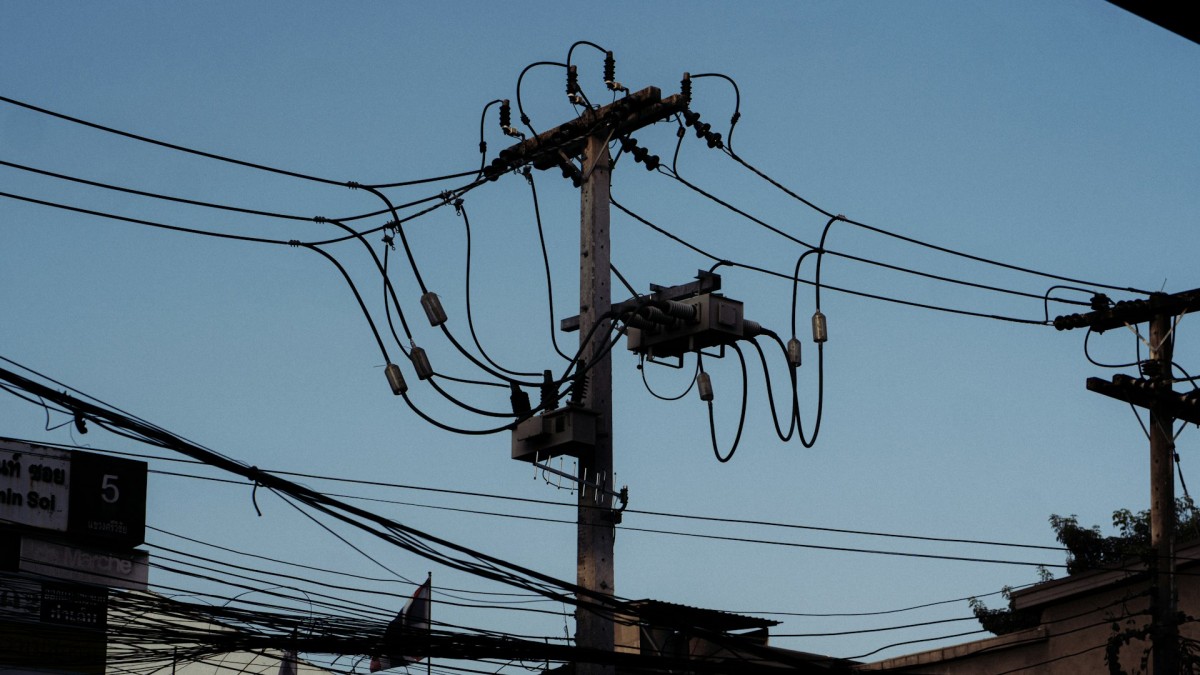
Southeast Asia has borne the brunt of the global energy crisis triggered by the War in Iran, forcing nations across the region to urgently shore up domestic energy supply chains. While the resulting volatility in worldwide energy markets has accelerated the clean energy transition—particularly among import-dependent, budget-constrained economies—the region's aging and overburdened power grids remain ill-equipped to support a rapid expansion of indigenous renewable capacity, jeopardizing both near-term energy security and long-term transition goals.
When the Strait of Hormuz shut down in February of this year, approximately 20 percent of the world's oil and gas flows were severed overnight, leaving numerous energy-importing nations in a precarious position. Asia was hit harder than any other region. Prior to the United States and Israel launching a military offensive against Iran, roughly 20 million barrels of oil and oil products transited the Strait each day, with about 80 percent of exported oil and 90 percent of exported natural gas bound for Asian markets.
Southeast Asia proved especially vulnerable to the ensuing price shocks, given the region's heavy reliance on imported energy and limited fiscal capacity to absorb sudden cost increases. The vulnerability is compounded by the region's persistent dependence on coal for baseload power—Indonesia and Vietnam rank among the world's largest coal consumers, and coal still generates more than 40 percent of Southeast Asia's electricity. In the months following the Strait of Hormuz closure, the Philippines declared a national energy emergency. Governments across the region resorted to energy rationing, work-from-home directives, and even four-day workweeks to manage dwindling energy supplies and an overstressed power grid.
The same crisis has also catalyzed a long-overdue renewable energy push that, if successful, would yield a more secure, independent, and self-sufficient energy landscape. The stakes are considerable: under the ASEAN Plan of Action for Energy Cooperation, member states have targeted raising renewables to 23 percent of the region's primary energy mix by 2025, a goal that remains well off track. International financing vehicles such as the Just Energy Transition Partnerships—worth $20 billion for Indonesia and $15.5 billion for Vietnam—have been mobilized to accelerate the shift away from coal, but the disbursement and deployment of those funds depend heavily on whether recipient nations can demonstrate grid readiness.
However, this transformation faces a critical risk of failure unless Southeast Asian nations prioritize the expansion and reinforcement of their electricity grids. In practice, the region's fragile and overstretched grid infrastructure is already deterring billions of dollars in planned clean energy investment.
A recent report from Climate Home News found that "inadequate grid capacity and maintenance is already proving a major factor in the region's stuttering rollout of new clean energy projects." The report also identified a range of additional barriers, including "unclear power purchase agreement (PPA) structures, a failure of power policies to keep up with investor needs, permitting and licensing approval delays, grid connection constraints, limits to private sector involvement in electricity markets, and policy and tariff uncertainty."
Although green energy investment in the region has grown substantially in recent years, many projects have stalled or been cancelled outright, largely due to doubts about whether the grid can absorb additional capacity. Even some of Southeast Asia's newest grids have suffered critical failures in recent months, underscoring widespread fragility and a lack of infrastructural resilience. The long-envisioned ASEAN Power Grid, a multilateral initiative to cross-link national transmission systems and enable cross-border electricity trade, has been under discussion for over two decades but remains largely unrealized, leaving each country to confront its grid limitations in isolation.
The consequences are stark. A report published in May by the consultancy Bain & Company and Standard Chartered revealed that between 50 percent and 60 percent of renewable energy projects in Vietnam, Thailand, and Indonesia were cancelled or stalled between 2021 and 2025.
The Bain & Company report notes that beyond the energy pressures stemming from the war in Iran, Southeast Asian grids face mounting demands fueled by rapid economic development. "More than 100 TWh of new electricity demand is expected to arrive by 2030, driven by data centers, electric vehicles (EVs), and industrial clusters," the report states. "However, while demand from these sources is set to materialize in one to three years, grid infrastructure takes five to fifteen years to build. This mismatch has made the grid a key binding constraint that increasingly determines where capital flows."
By Haley Zaremba for Oilprice.com

