South Korean Authorities Conduct Rare Dollar-Selling FX Intervention on Thursday
Key Takeaways
- •South Korean authorities executed a rare dollar-selling intervention on Thursday aimed at stabilizing the Korean won amid broader currency market volatility.
- •The intervention involved purchasing the won while selling U.S. dollars, a measure intended to curb excessive exchange-rate fluctuations rather than target a specific rate level.
- •South Korea maintains foreign-exchange reserves exceeding $400 billion, giving authorities substantial capacity to conduct intervention operations.
- •The Bank of Korea and the Ministry of Economy and Finance jointly oversee currency policy and typically do not officially confirm intervention operations in real time.
- •Exchange-rate stability is especially critical for South Korea given its status as a major exporter, as sharp won depreciation can raise import costs and affect trade competitiveness.
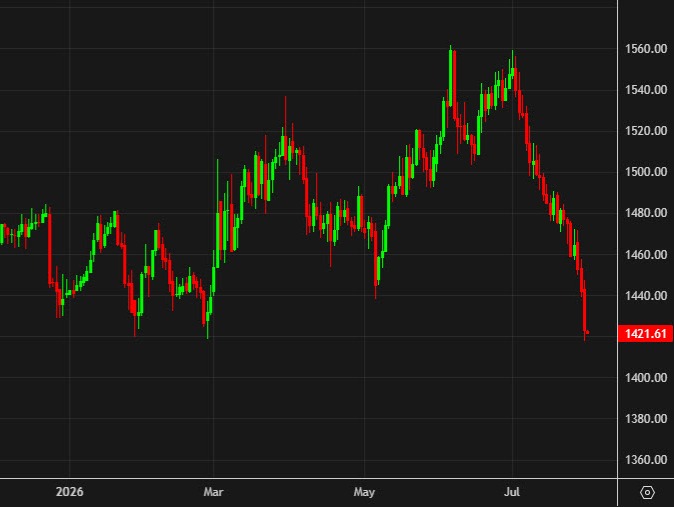
South Korean foreign exchange authorities carried out a rare dollar-selling intervention on Thursday, according to a report from Reuters citing a market source.
The intervention came as authorities sought to stabilize the Korean won (KRW) amid broader currency market volatility. Dollar-selling interventions involve authorities purchasing the won while selling U.S. dollars, a measure typically deployed to slow the local currency's depreciation or counter excessive exchange-rate fluctuations. South Korea maintains one of the world's largest foreign-exchange reserve holdings — exceeding $400 billion as of recent official data — providing authorities with substantial capacity to conduct such operations.
South Korea's last confirmed large-scale FX intervention drew significant attention from markets and policymakers alike. The Bank of Korea and the Ministry of Economy and Finance, which jointly oversee currency policy, have historically described such actions as aimed at curbing excessive volatility rather than targeting a specific exchange-rate level. Korean authorities typically do not officially confirm intervention operations in real time, which is why Thursday's action was reported via a market source rather than through an official government statement.
The reported intervention occurred against a backdrop of heightened global currency-market activity, with several central banks and monetary authorities closely monitoring foreign-exchange movements. For South Korea, one of Asia's largest economies and a major exporter of semiconductors, automobiles, and electronics, exchange-rate stability carries particular significance, as sharp won depreciation can increase import costs and affect the competitiveness of the country's trade-driven economy.
Source: Reuters via Investinglive

